
Immortal Glamour
The Four Seasons Resort Biltmore Santa Barbara celebrates 90 years of style, luxury, and fortuitous escapades
The Four Seasons Resort Biltmore Santa Barbara celebrates 90 years of style, luxury, and fortuitous escapades

Guests meandering through 22 acres of lush “jungle gardens.”

Vintage sign off Highway 101 and Coast Village Road.
Written by Katherine Stewart | Photographs by Santa Barbara Vintage Photography, Courtesy of The Four Seasons Biltmore, Beverley Jackson
“In the 1950s, the resort hosted the most glamorous parties of the season, including a fashion show by Louis Vuitton. ”
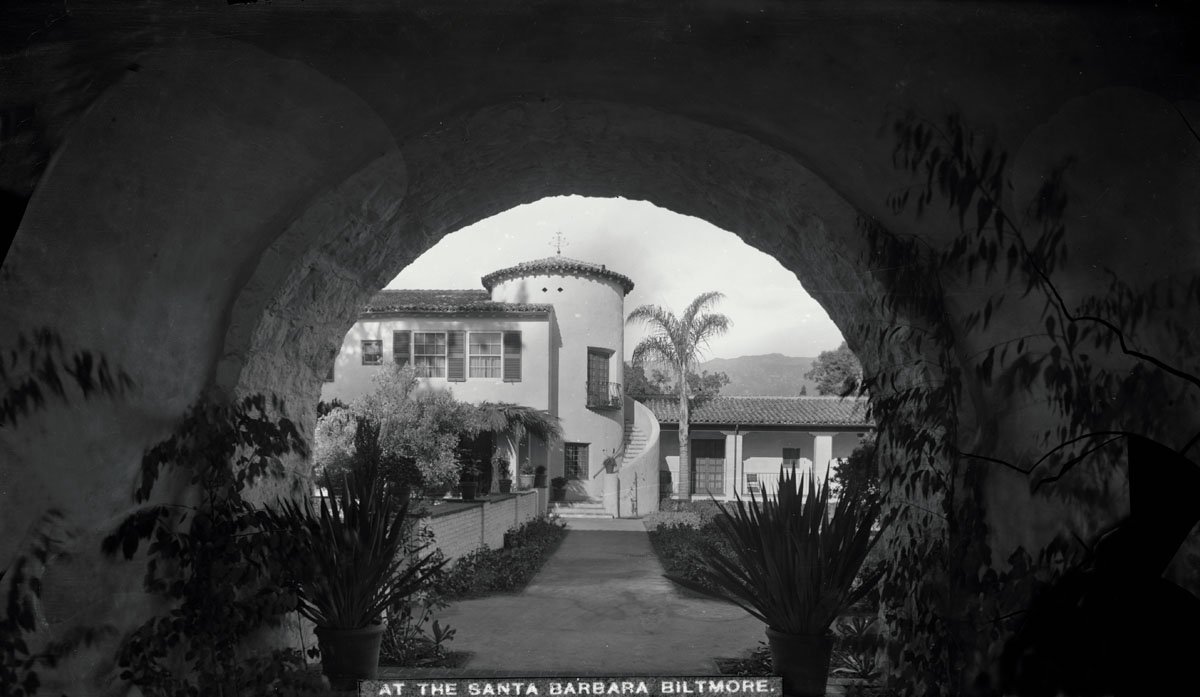
In the early days, Zsa Zsa Gabor, Bing Crosby, and Lana Turner could be seen lounging by the pool at the Santa Barbara Biltmore. That was in the roaring ’20s and dapper ’30s, around the time the Odell family added the Coral Casino Beach and Cabana Club to its stable of properties, which included the Clift Hotel in San Francisco.
In the 1950s, the resort hosted the most glamorous parties of the season, including a fashion show by Louis Vuitton, where ladies in white gloves and Jacques Fath evening gowns consorted with the kinds of people who wanted to keep their names out of the papers.
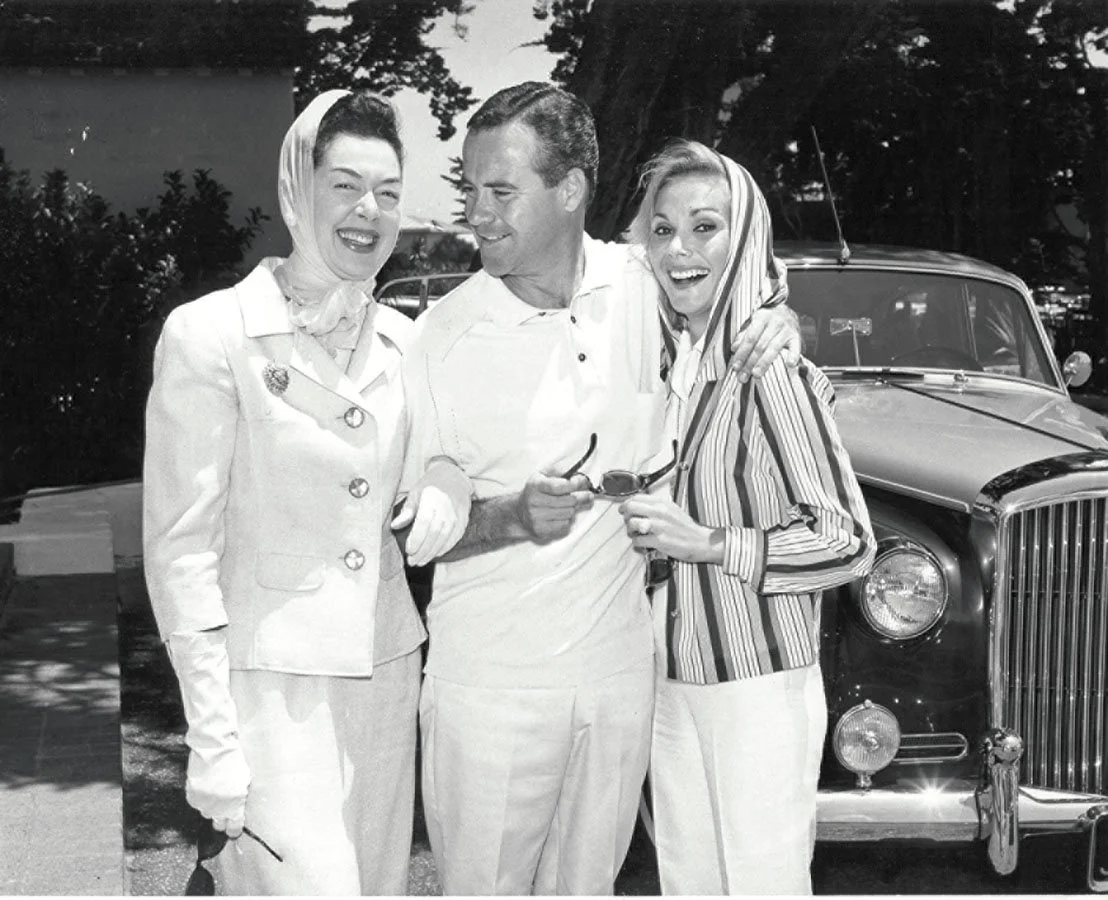
“There was a rumor that Jack Lemmon was having an affair in Santa Barbara,” recalls Beverley Jackson, the longtime guardian and chronicler of Santa Barbara society. “He was a big star at the time. So one day at the hotel I ran into him and said, ‘I have to ask you, Jack, is this rumor true?’ He said, “It is true, I am having a love affair. I love my Rolls Royce more than anything in the world! And the only person I allow to touch it is a mechanic in Santa Barbara. So that’s why I’m here once a month!’”

Jackson smiles at the memory. “Of course,” she adds, “Red Skelton was having an affair in Santa Barbara. I ran into them at the Biltmore, too.”
But there were rules, after all, and they were not to be flouted. Men with hair longer than an inch above the collar were refused entry into the restaurant. “One day Grace Dreyfus, who was the wife of Louis Dreyfus, the ambassador to Afghanistan, happened to have the heir apparent to the throne of Afghanistan with her,” says Jackson. “He was the son of the king, and she wanted to take him to lunch. And he wasn’t allowed in because his hair fell a half inch afoul of the rule.”
The resort continued to play a vital role in the ceremonial life of the city. The parties here have always produced stories retold long after the guests go home.

“The night before Christmas, they organized a posada, where you do a procession and knock on the doors and ask for room at the inn,” Jackson says. “Back then, the dining room kind of looked like Maxim’s in Paris in the old days: beaux arts decor with red velvet banquettes. The dinner guests were given candles, and a man who worked at the hotel led the procession. We ended in the lobby, where we were entertained by professional flamenco dancers, and there was a giant piñata with long sticks for the kids. It was great fun, and they did it every year.”
The big names have all stayed here, but the hotel will never tell you who they are. Here, at least, they take security seriously. Still, we know that Gwyneth Paltrow and Jeff Bridges have graced the property’s 22 acres of landscaped pathways. And when Anderson Cooper and Andy Cohen stayed at the resort in anticipation of a joint appearance at the Arlington Theatre, they crashed a wedding party, posing for poolside photos with the bride and groomsmen.
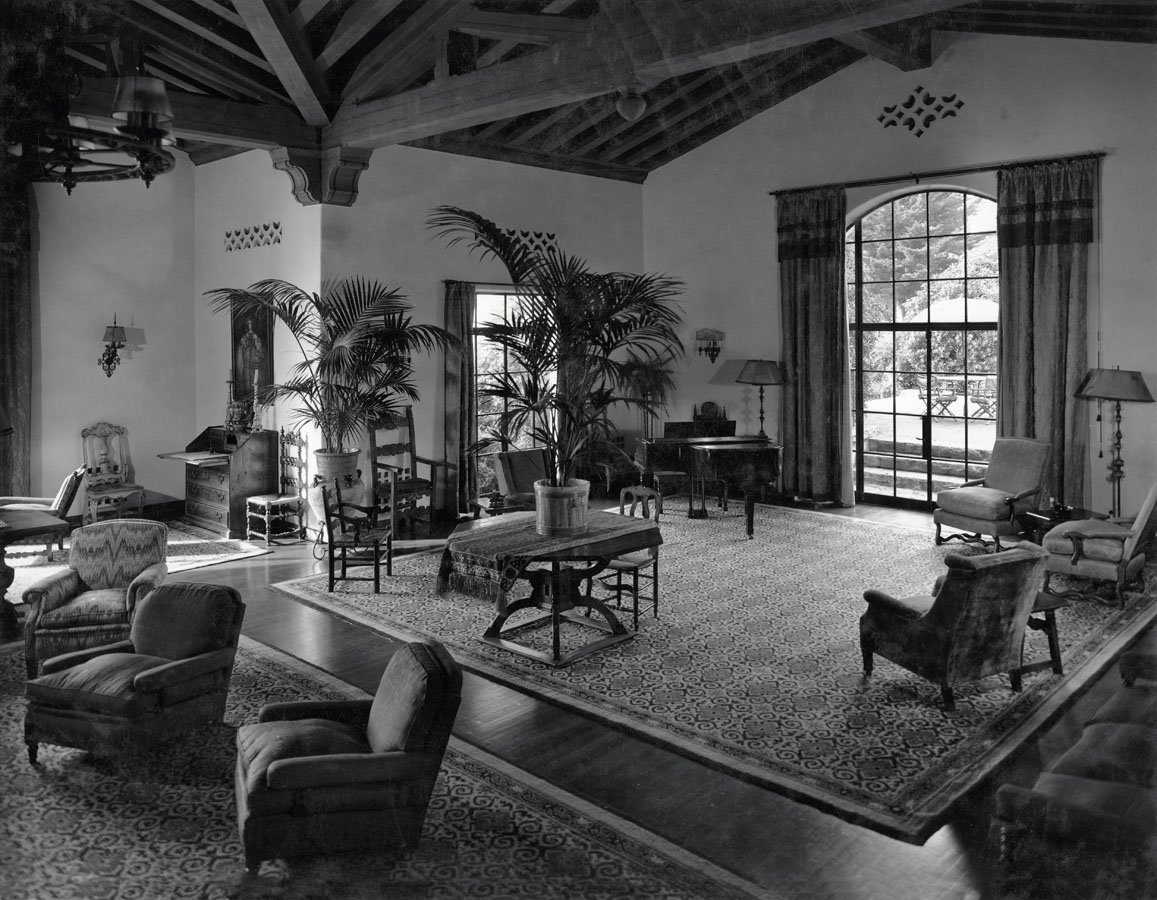

“We are entering our 90th year with a whole new perspective—keeping luxury at the forefront, sharing anecdotes from our past, and welcoming the future with new and exciting endeavors.”
The property’s grand ballrooms, lido decks, and moonlight-filled courtyards have long served as settings for Santa Barbara’s most important social events and celebrations. Merryl Brown, creative director of the Montecito-based Merryl Brown Events, chose the resort as the site for the Pacific Pride Foundation’s Royal Ball and United Way Red Feather Ball. “It is my absolute favorite venue for event design and production in Santa Barbara,” she says. “It is consistently excellent. Their service and catering are top-notch. It is a beautiful representation of all that our city has to offer.”
The Biltmore has always taken its position in the community seriously. After the Thomas Fire and subsequent debris slide, it played a key role in the recovery efforts, providing a staging area for fire fighters and other first responders. More than 45 employees within the Four Seasons company volunteered to serve as members of a task force, participating in cleanup efforts and fund-raising and working with the United Way of Santa Barbara and The American Red Cross Central California.


The property, which reopens this summer, is commemorating its 90th anniversary with some unique partnerships, including Sunstone Vineyards & Winery, which is producing two varietals blended by the resort team; the award-winning photographer Gray Malin, who created a series of photographs at the Coral Casino with a 1960s resort vibe (a portion of which is being donated to the Santa Barbara Bucket Brigade); and OPI Nail Polish, which is creating a resort-themed collection of colors.
“We are so proud and excited to celebrate our 90th year,” says general manager Karen Earp. “We are keeping luxury at the forefront, sharing anecdotes from our past, and welcoming the future with new and exciting endeavors.”
See the story in our digital edition

Happy Kids, Happy Wife, Happy Life
Kevin and Christine Costner cruising through their years together

Kevin Costner Sails Into A Milestone Year—Three Movies, Seven Children, and Six Decades Of Living True
Written by Gina Tolleson | Photographs by Dewey Nicks
“I was at your 40th birthday party, you know...” I reminded him recently at his 60th.
“Wanna go back?” he chuckled. We both thought about it for a second, and both shook our heads no, laughing in relief. He immediately asked, “You alright?”
And that’s the moment. The moment when you feel like you are the only one in the room, and he connects and listens. That’s Kevin’s real talent. You aren’t star struck, and he isn’t acting. Be prepared for a blunt yet thoughtful, straightforward response or advice. You won’t get patronized or an “everything will be okay.” But, somehow, just his authentic intent of looking out for you makes everything okay.
It’s a story that runs through most of the toasts and conversations from friends and family that evening, an intimate circle of an unexpected familial entourage. There are no other celebrities, actors, high-octane entertainment executives (his lawyer and agent did make the cut), or up-and-comers in the room, instead, it’s his three younger ones—Cayden, 7, Hayes, 5, and Grace, 4—gallivanting freely through a maze of balloons with people gathered from all stages of his life, including his high school baseball coach, elementary buddies, former assistants, his three oldest—Annie, 30, Lily, 28, and Joe, 27—and his wife of 10 years, Christine. He genuinely seems happiest and more interested in hanging out with this gang more than anyone else in Hollywood.

“I want my kids to see
that sometimes, you
have to put what you have
on the line when you
really believe in something.”
Fatherhood the second time around for Kevin isn’t much different than the first. The kids have always been a priority while he was making his career in film, whether it be coming directly off set and serenading Annie in an Elvis costume for her 16th birthday to showing up to every game, championship or performance for Lily and Joe, teaching Cayden and Hayes how to fish in the streams at their Aspen home or making coffee every morning and watching Frozen a hundred times over with Grace. “It’s not about if I have more or less time to spend with them at this phase in my life,” he says, “it’s more about can I still get on the ground and play just as hard and take them to do the fun stuff. It’s my children that are the ones who sacrifice when I go away to make movies. I’m proud and respect them for that.”
It’s his children that he wants to know that their dad wasn’t afraid of anything. And his latest project might prove it more than others. Black or White is based on the experience writer/director Mike Binder (The Upside of Anger) had in helping raise his biracial nephew. It’s Kevin’s second collaboration with Binder, and even though early on Kevin recognized the quality of the script, it became obvious that the movie was not going forward unless he stepped up and paid for it himself. “My problem is I don’t fall out of love with something, and when it looked like the movie wasn’t going to get made, I went to Christine and we made a family decision to back this movie from our own pockets,” he says. “I want my kids to see that sometimes, you have to put what you have on the line when you really believe in something.” The movie takes contemporary racial divides head-on, and Kevin doesn’t play it safe in character or at the box office. “We aren’t having real discussions about race in real life or in our culture,” he says. “I’m not going to run away from it, I’m running right toward it. There are things that get said in this movie that a lot of us wish we could say. It was important to me and Christine for it to be an authentic look at where we are with race issues today, and I think we did that.”
See the story in our digital magazine
The Underlying Architecture of Lutah
The Underlying Architecture of Lutah
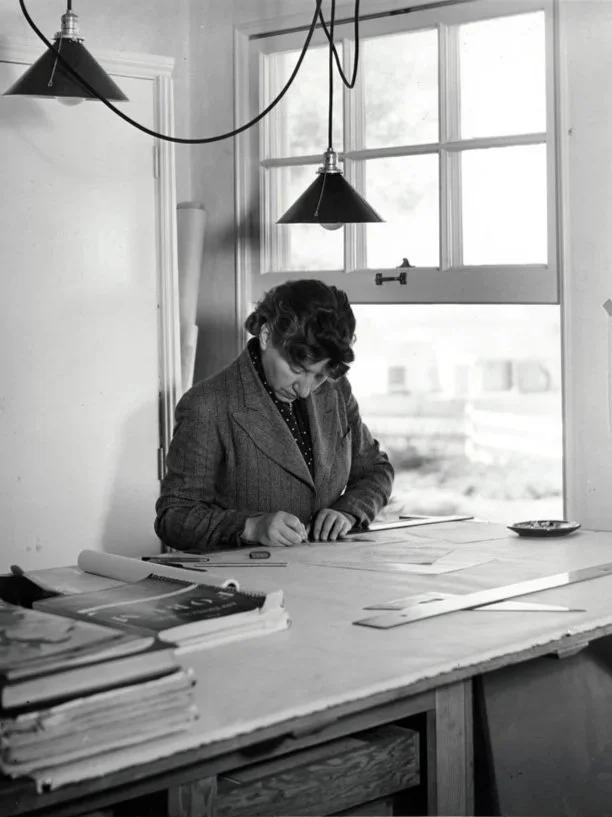
Lutah in her office soon after her design triumph with the von Romberg home: 1939.
Written by Erin Graffy
Lutah Maria Riggs. What was the driving force or inspiration that spoke to her passion, her profession, her spinsterhood, and her privacy? Not only was she Santa Barbara’s first female licensed architect (1928), but her name also remains among America’s most distinguished professionals in the field and was the first among California women to be named a Fellow of the American Institute of Architects.
Much has been written of her work with renowned architect George Washington Smith (she was his draftsman then chief designer). However, their relationship lasted only eight and a half years, ending upon his death in 1930. Lutah continued as an architect in her own right and primarily on her own for another astonishing 50 years, producing homes and buildings with her unmistakable imprint of meticulous attention to detail, siting, and space.
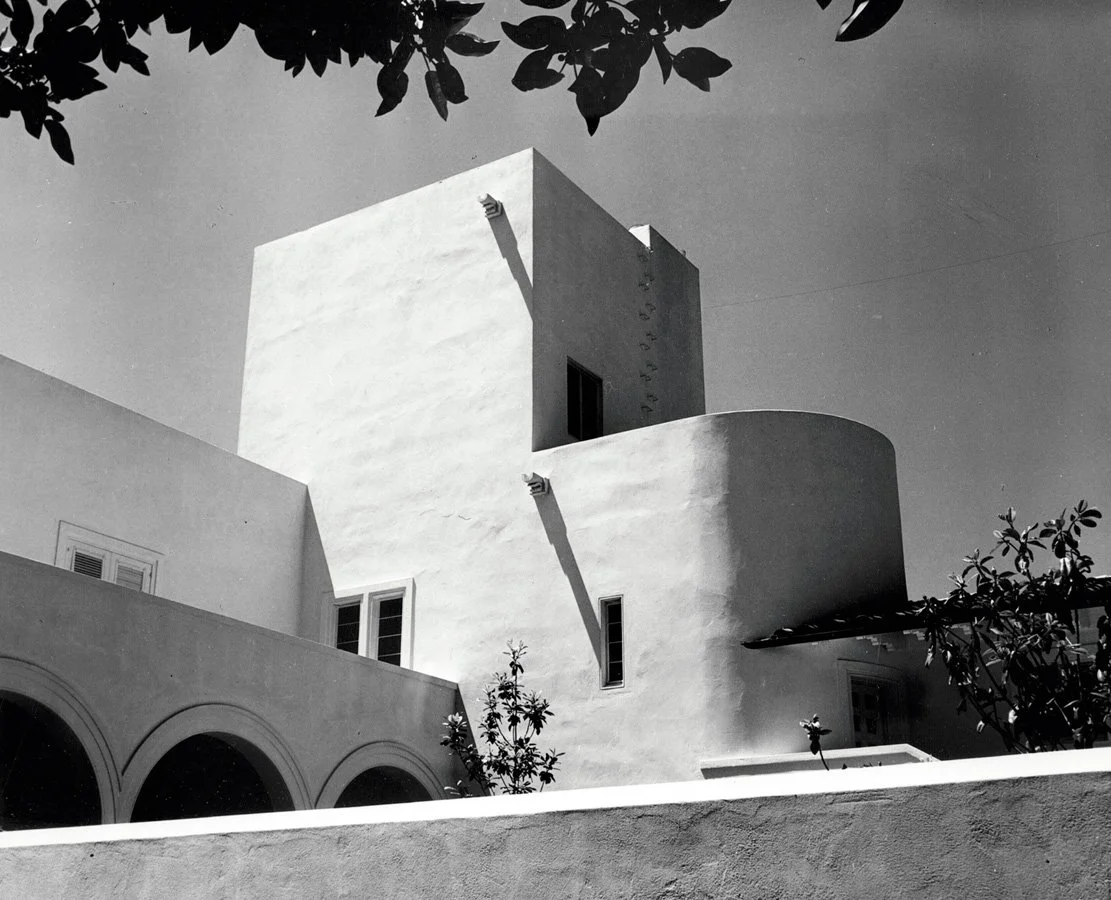
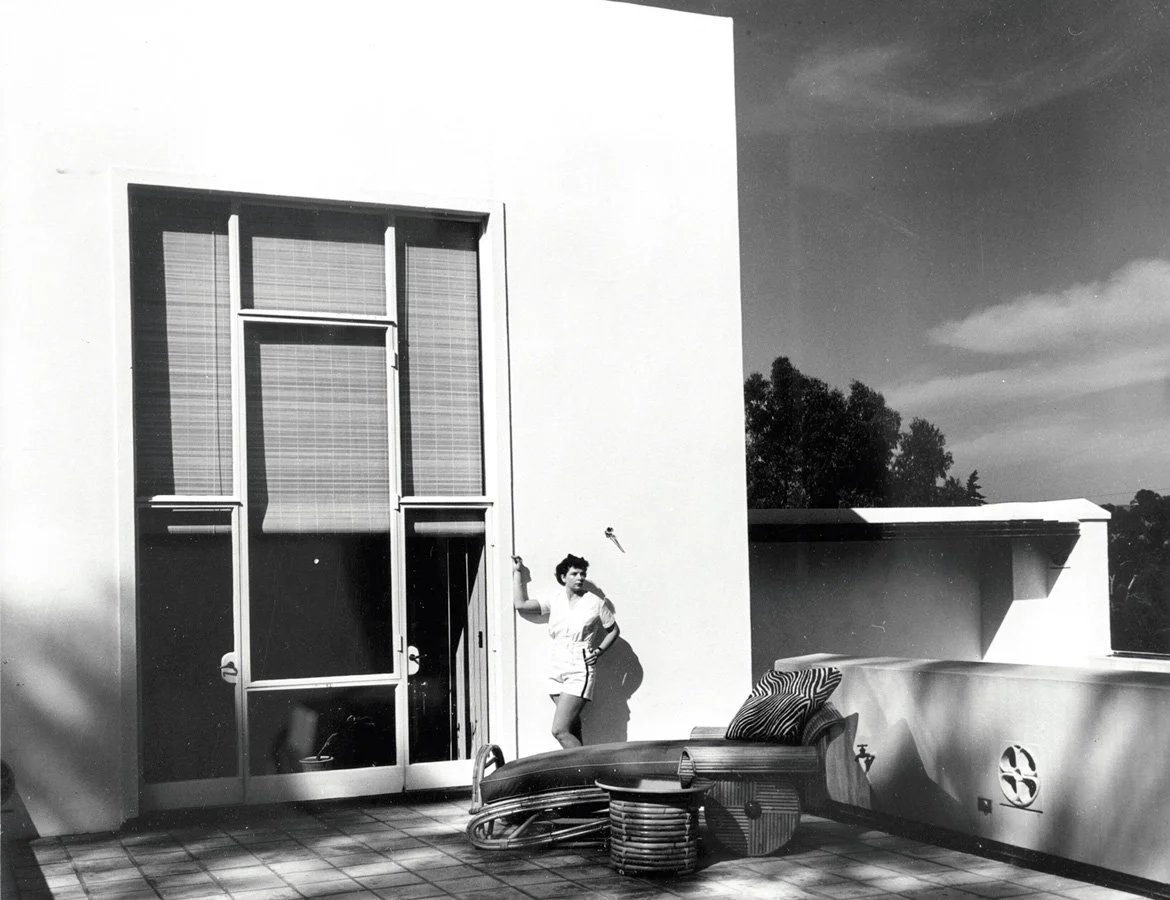
The von Romberg residence (1937-1938).
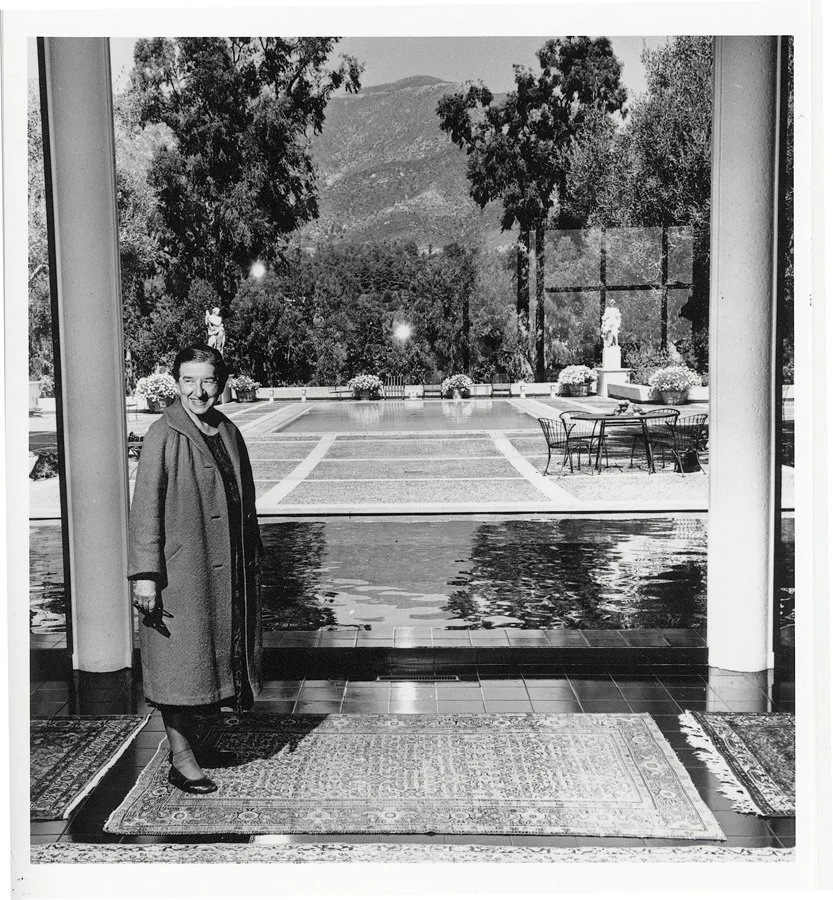
With recent interest in her life and work—including an upcoming documentary produced by the Lutah Maria Riggs Society (see page 174)—the question is often asked: How do we define this idiosyncratic character? The contradictory nuances of her personality were as varied as her architectural style. Her image—a small frame enveloped in her trademark long, dark “bag lady” coat—was in complete contrast to the open, airy, light-filled domiciles she created.
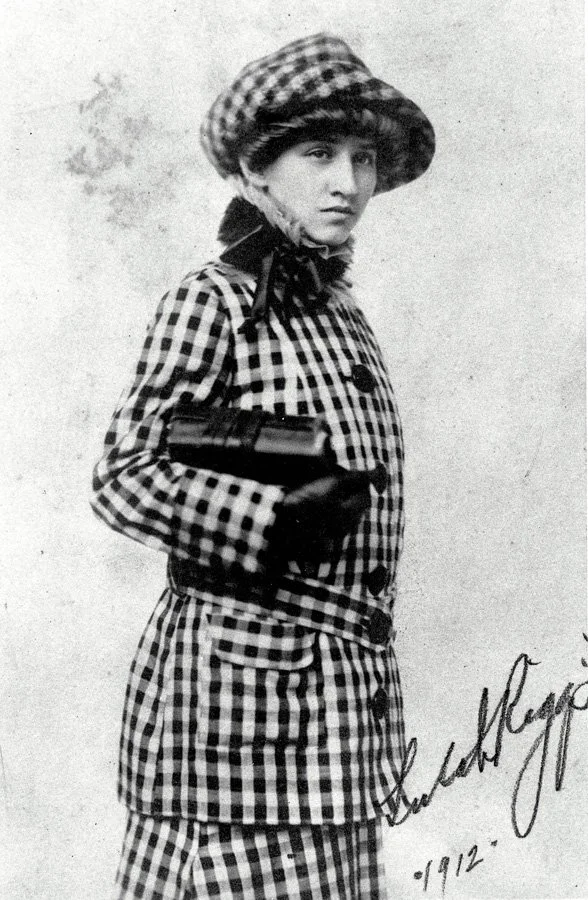
Portrait of Lutah at 15 in Washington, D.C. to see President Wilson inaugurated after winning a contest.
She never married, and she proudly informed that fact, emphatically correcting others that she was Miss Lutah Riggs. Rumored suspicions of a long-lost beau or whispered wonderings if she had been a lesbian are equally without support. She was not in the least hostile to men—although she was annoyed at the times men would not hire her because she was a female architect. On the other hand, she was equally irritated with feminists who hailed her as a “great woman architect.” She felt the term was demeaning; she preferred to be thought of as a great architect, period.
Childhood Perhaps then it is fitting that our story finds the enigmatic Lutah born on Halloween 1896 in Ohio. An only child, Lutah never really knew her father, who was a physician. Before she was 2, he deserted the family to join a health cult in California after he became ill.
His absence was extraordinarily hard on Lutah’s mother, Lucinda; she was not only emotionally devastated, but also left financially destitute. The mother and child lived hand-to-mouth with in-laws (who beseeched the husband to come back and do his duty to care for his family), relatives, and friends. They were continually in desperate or tenuous housing situations.
When Lutah was 8, her father passed away in California. Nine months later, Lucinda and Lutah traveled to the West Coast to settle his effects. Through unknown circumstances, Lucinda ended up in a whirlwind courtship to a divorced man she just met; they married in Washington. The three returned to Indiana, where mother and daughter experienced domestic security in their new two-story home. It was short lived: a year and a half later, Lucinda and her second husband were divorced.
Two years after her divorce, Lutah’s mother took up with an enlisted army private working as an army cook in Texas. The two married in January 1912, and the family moved to Indianapolis, where Lutah attended high school.
The name Lutah—said to be an invention of her mother’s—hardly stood out in a class filled with students named Ersel, Mendle, and Tillma at Manual Training High School. Their class’s motto was “Build high, dig deep”—probably prophetic for the future architect. Lutah was a smart, diligent student and seemingly excelled at everything she did: honor roll, designing school posters, earning awards, art contests, serving as assistant academic editor of the school paper, and even winning the Indianapolis News student contest to attend the inauguration of President Woodrow Wilson. She was plucky and puckish (she once won the cash prize of a joke contest by writing witty jokes about schoolmates), clever and likable, and was elected to student senate.
During Lutah’s senior year, her stepfather—urged by his sister in Santa Barbara to move out there—found a job running the streetcar on East Haley. After graduation, Lutah and her mother joined him in Santa Barbara, arriving in October 1914. In Santa Barbara, Lutah attended the junior college, finishing with her teaching certificate in 1917. The family lived in a tiny house on North Soledad Street. But it turned out that this, again, was no home sweet home. Sensitive Lucinda, who was tender and devoted to Lutah, managed to pick—for the third time in a row—a man seemingly useless in being able to provide financial and emotional security. Her stepfather was not dependable with money and drifted through various laborer jobs. Letters later exchanged by Lutah and Lucinda portray him as very sloppy; the home was in disarray and a miserable mess.
Lutah processed her affairs in a practical way. Her sensible response was to work at any and every small job to earn money, and then go on to higher education, as her mother had always encouraged her. She diligently pursued and won a scholarship to UC Berkeley through a subscription drive contest with the local paper. Now she sought a degree.
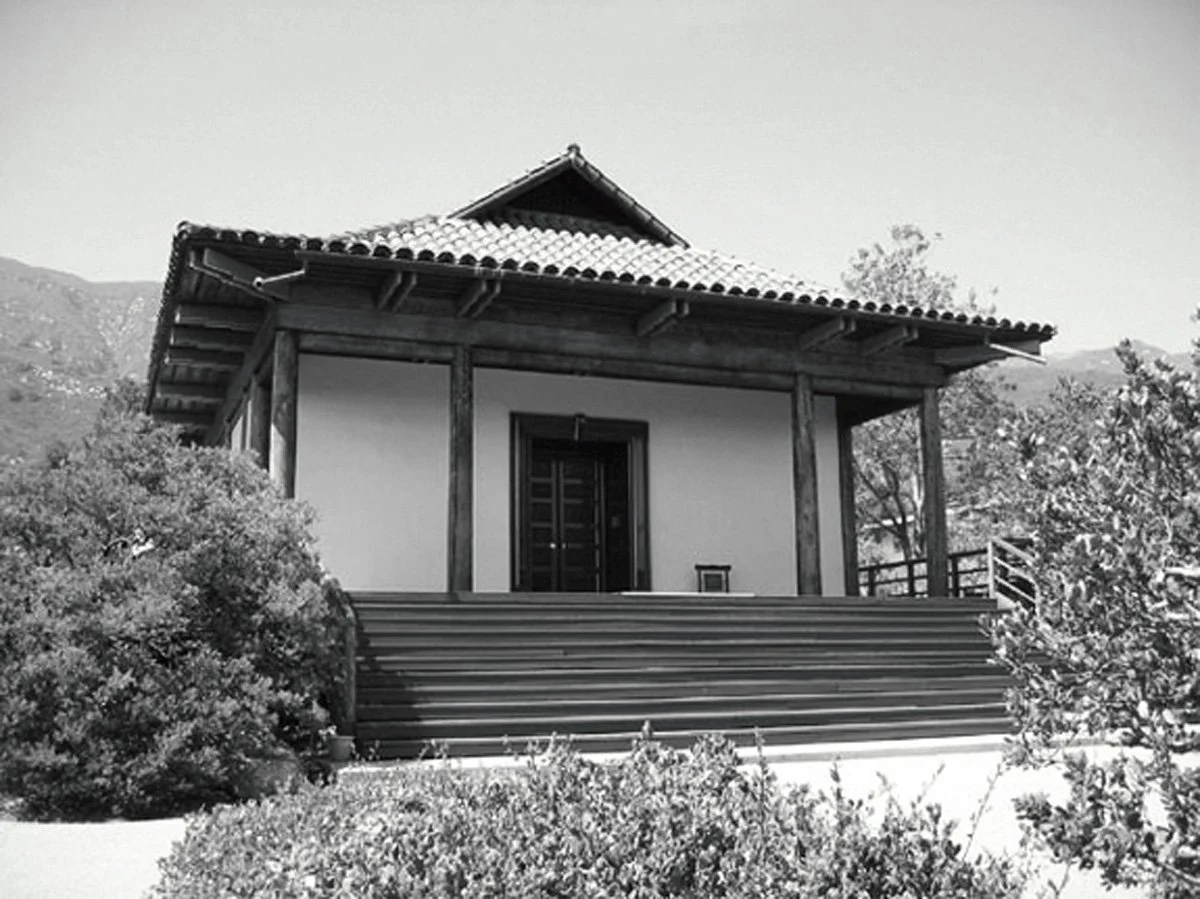
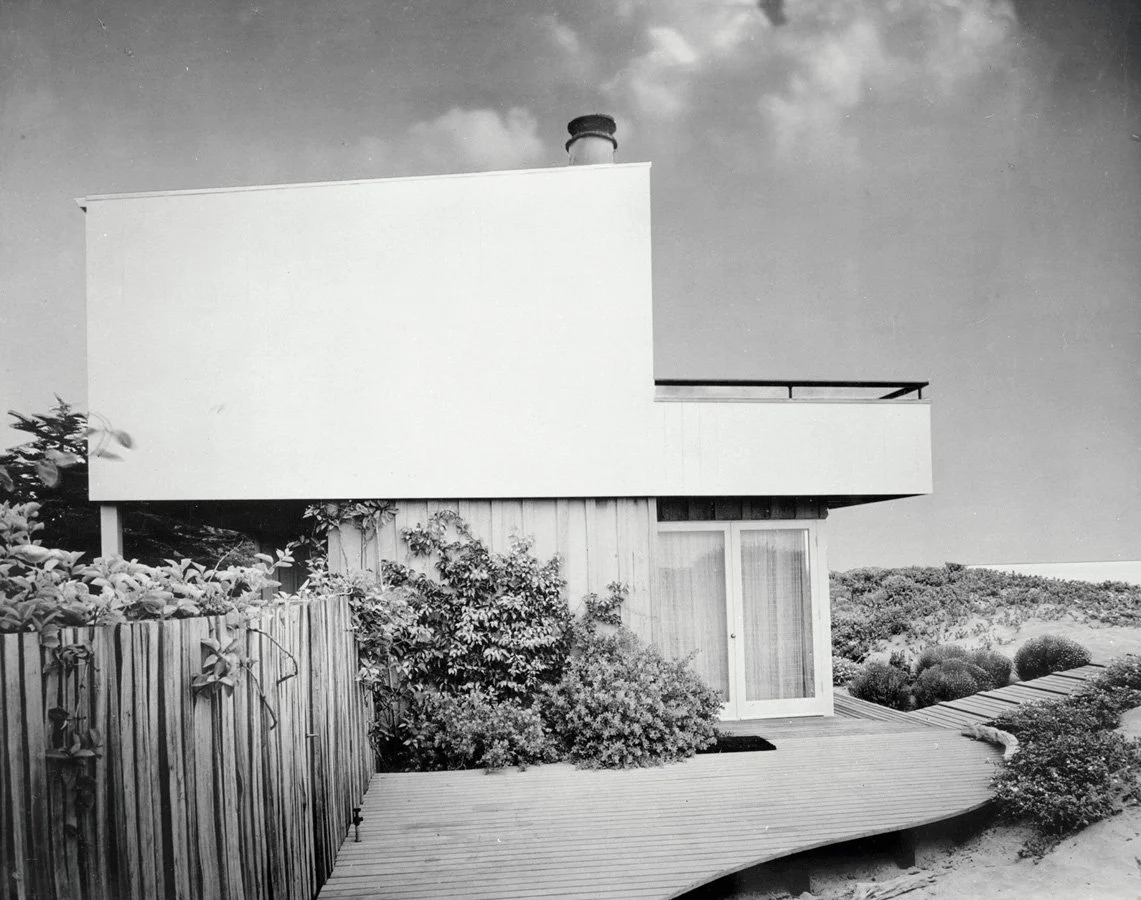
As a teenager, drawing always appealed to Lutah. In junior college, she enjoyed college chemistry so much she fancied pursuing it as her major. And in interviews of the 1980s, Lutah mentions that she had an interest in studying history. But one other fascination—architecture—gave her the opportunity to fuse all three. With architecture, she could combine her analytical and problem-solving skills; it provided the ability to infuse a sense of history; above all, it could give practical expression to her tremendous creative and design talents.
Her years at Berkeley at “the Ark” (as the architectural school building was called) were filled with a very tight, familylike friendships between the students—both male and female. Lutah was in her element. Her days were happy, attending “moving pictures” frequently, regularly going out with her pals to dances and parties, and taking hikes in the hills of San Francisco.
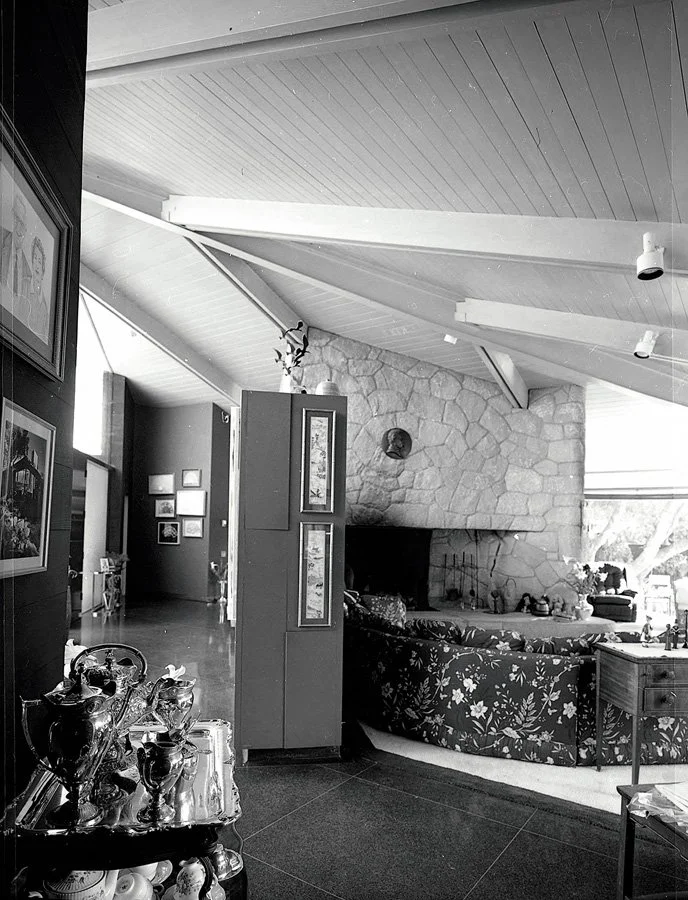
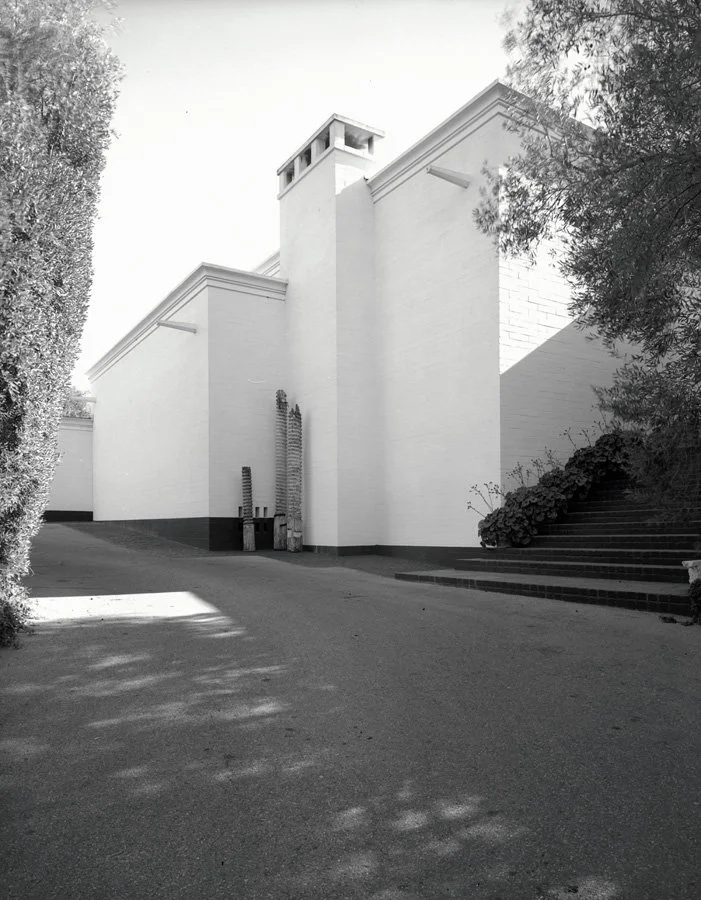
She was brilliant, broad-minded, and well read. She excelled, taking top place for the evaluations, and earning high praise for her renderings and design. Winning the Alumni Prize at graduation allowed her to return for graduate work.
By the end of college, letters exchanged between mother and daughter indicated Lucinda was planning to divorce her husband. Quite often, Lucinda sounded like an anxious teen, while Lutah took on the role of the sensible parent. Lutah repeatedly encouraged her mother to stop worrying and provided advice on handling her husband and planning for divorce.
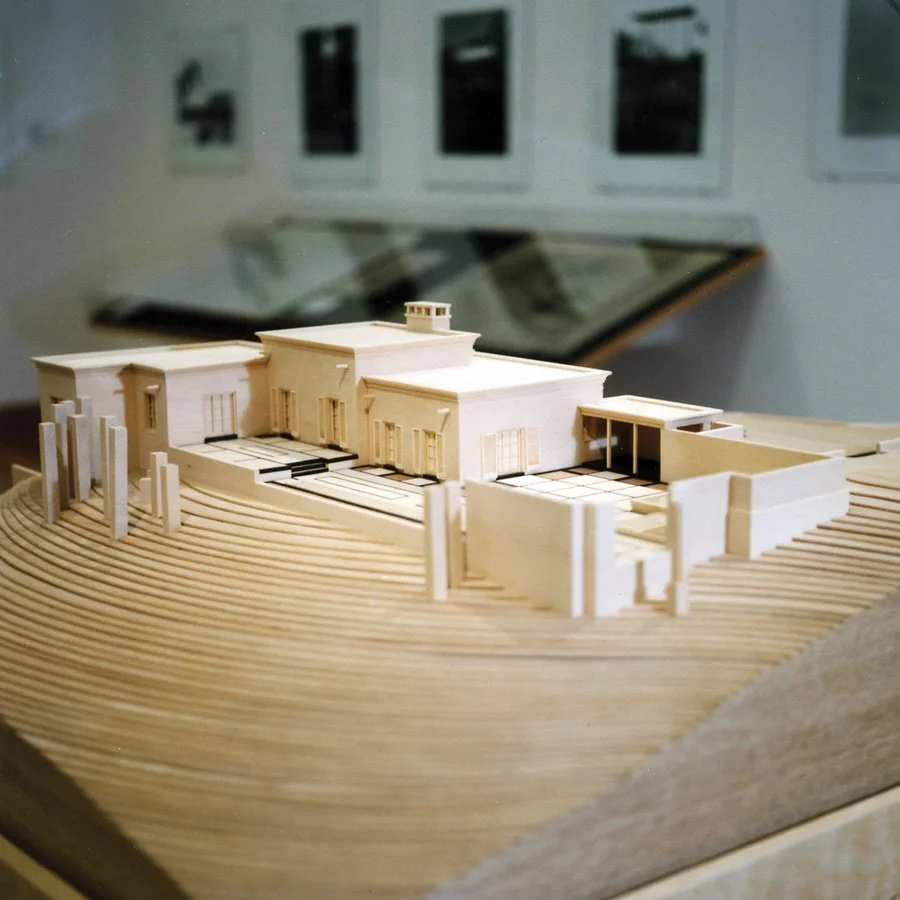
Lutah frequently mentioned money—where they could save some, schemes to earn more, and her future aspiration to earn enough to take care of them both. “I want to get enough money ahead to get the house fixed completely so we can live like human beings,” she wrote. She continually sent her mother money and even made arrangements to upgrade the home’s bathroom fixtures.
With her degree in hand, and a portfolio of award-winning designs, Lutah was now ready to step out into the real world. In the 1920s, however, women did not “have it all.” What they had was a choice: they could be married with a family, or they could have a career. Lutah went a third route of her own making. By the time she finished her work in architecture from the University of California and was ready to start her profession, Lutah had already picked out who would be her soul mate and life partner: architecture. Their offspring were her homes and building designs, and she poured into them her devotion and energy, fussing over and attending to every detail.
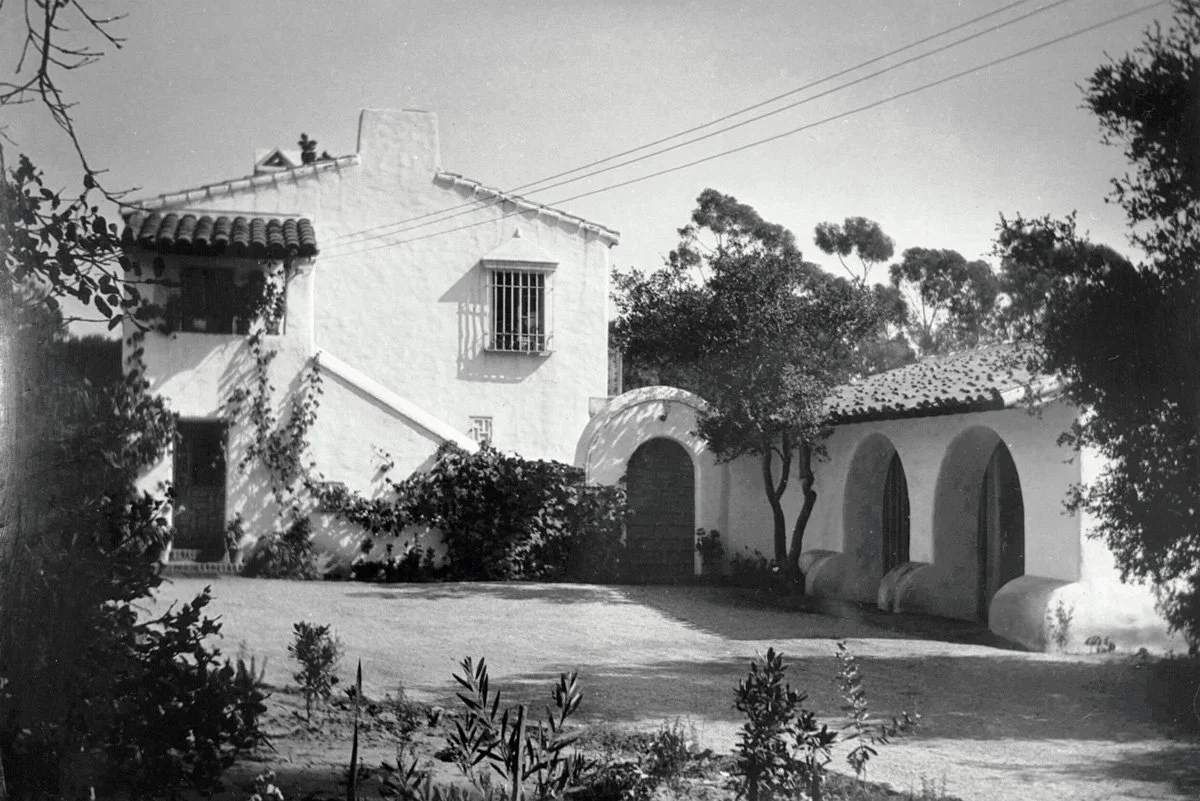
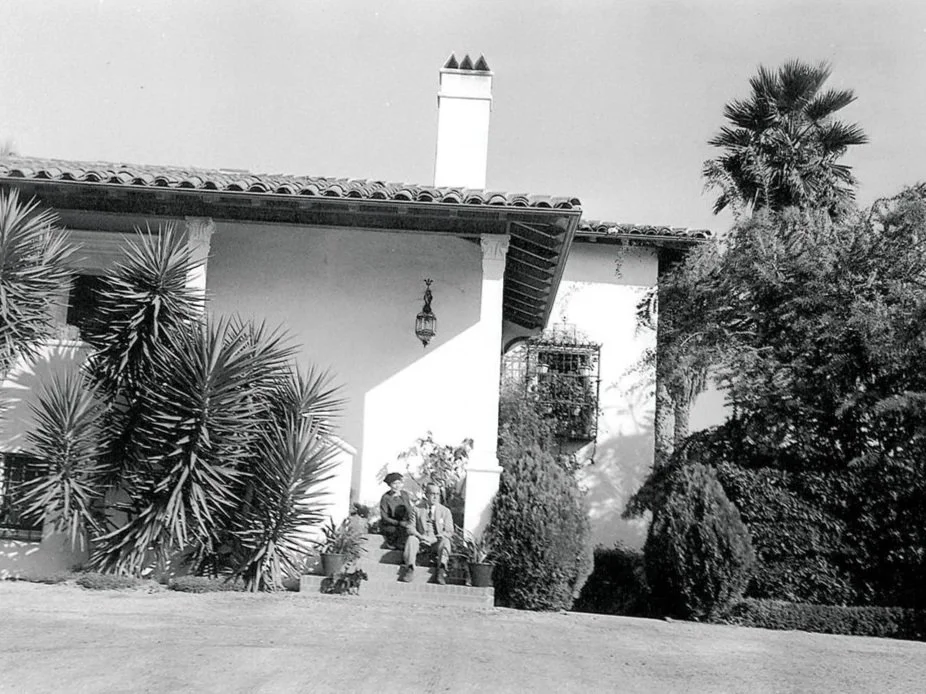
Lutah’s own exquisite home—Clavelitos—was sited so as not to disturb the oaks on the property, 1926. She described her award-winning architecture as “Andalusian, Mexican Colonial, and Riggs!”
A house was not a home; Lutah designed homes...the one she never had, but one that would embody what she and her mother would have sought: “Shelter from the elements, a place of retreat and rest, a place of happiness, if possible, and enough beauty to provide a lift for the spirit,” she once wrote.
When she designed for her clients, Lutah never tossed down a blueprint of pretty rooms. She listened like a mother to what her clients needed and what would bring her clients satisfaction—and joy. She started with a small room, the womb of her architecture, and everything would grow from there.
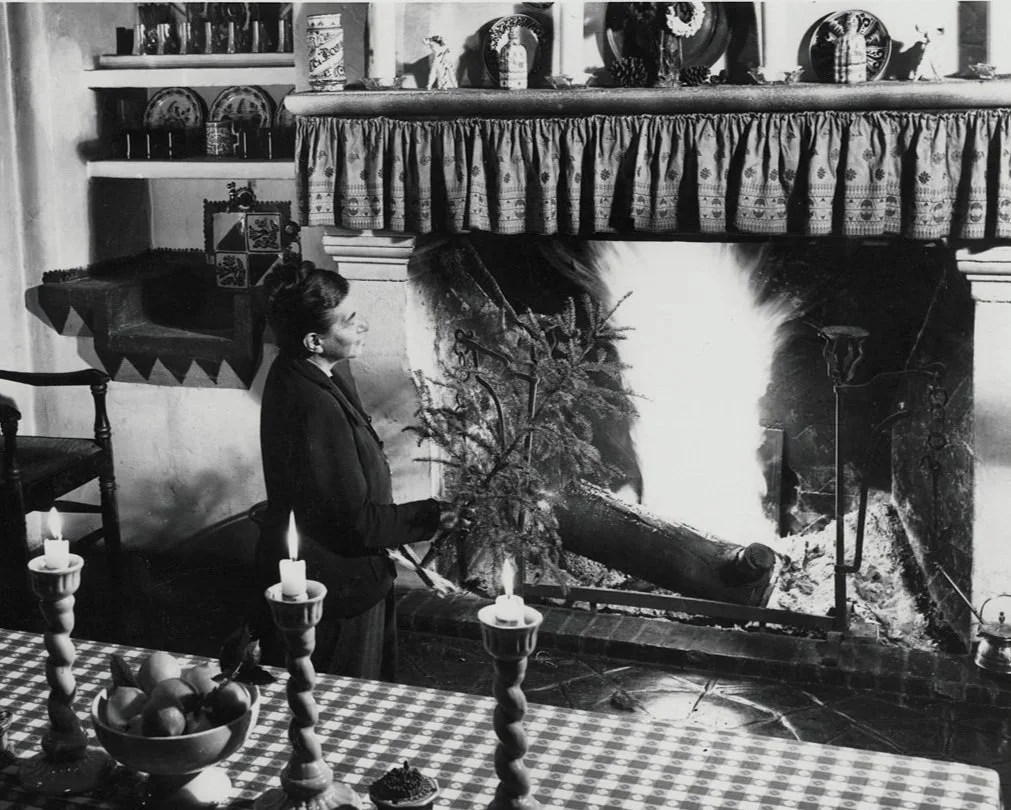
Her annual tradition of burning her Christmas tree at her home built for one.
This exemplifies how adept Lutah was at different styles. She first captured and excelled at the picturesque romanticism of the Spanish revival style in Santa Barbara, because it was the setting of her beloved community “home.” But when Baron Maximilian von Romberg dreamed of a palatial European abode, Lutah could also envision that and bring it to life. The openness Alice Erving sought in a modern home, Lutah adroitly designed in what the Los Angeles Times described as a “glass tent.” Conversely, Lutah was equally adept at translating the privacy required by Greta Garbo through a reserved Williamsburg-style home.
When building her own home on Middle Road in Montecito, Lutah was 28 and single. Her home was clearly designed with one person in mind, and in fact, for only one person: Lutah herself. It was everything she wanted and was not meant to include a husband or future children. Lutah was self-sufficient and in her personal experience, nothing was gained through marriage.
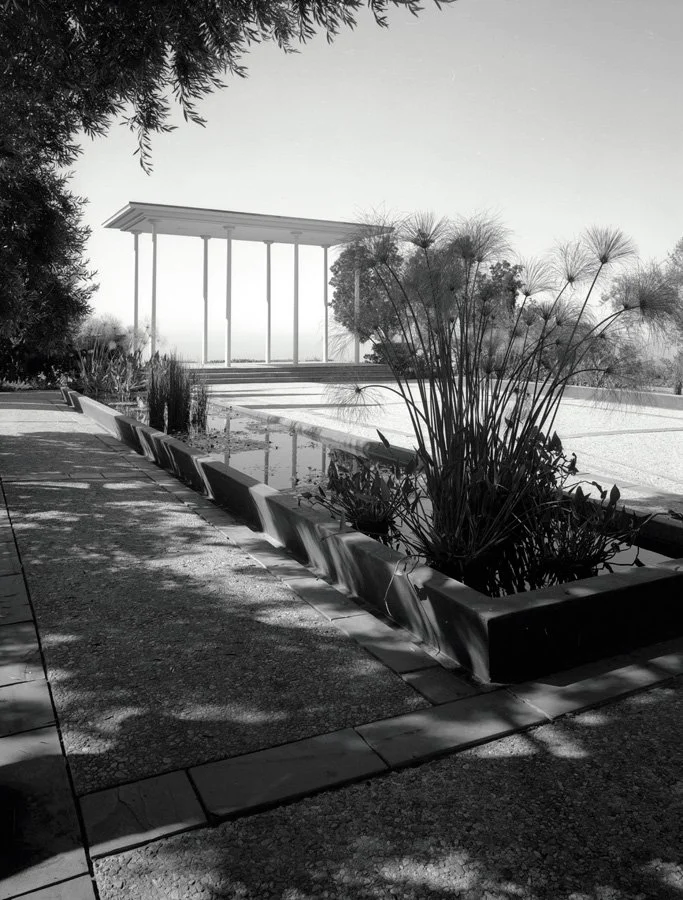
By the time she finished the University of California and was ready to start her profession, Lutah had already picked out who would be her SOUL MATE AND LIFE PARTNER: ARCHITECTURE.
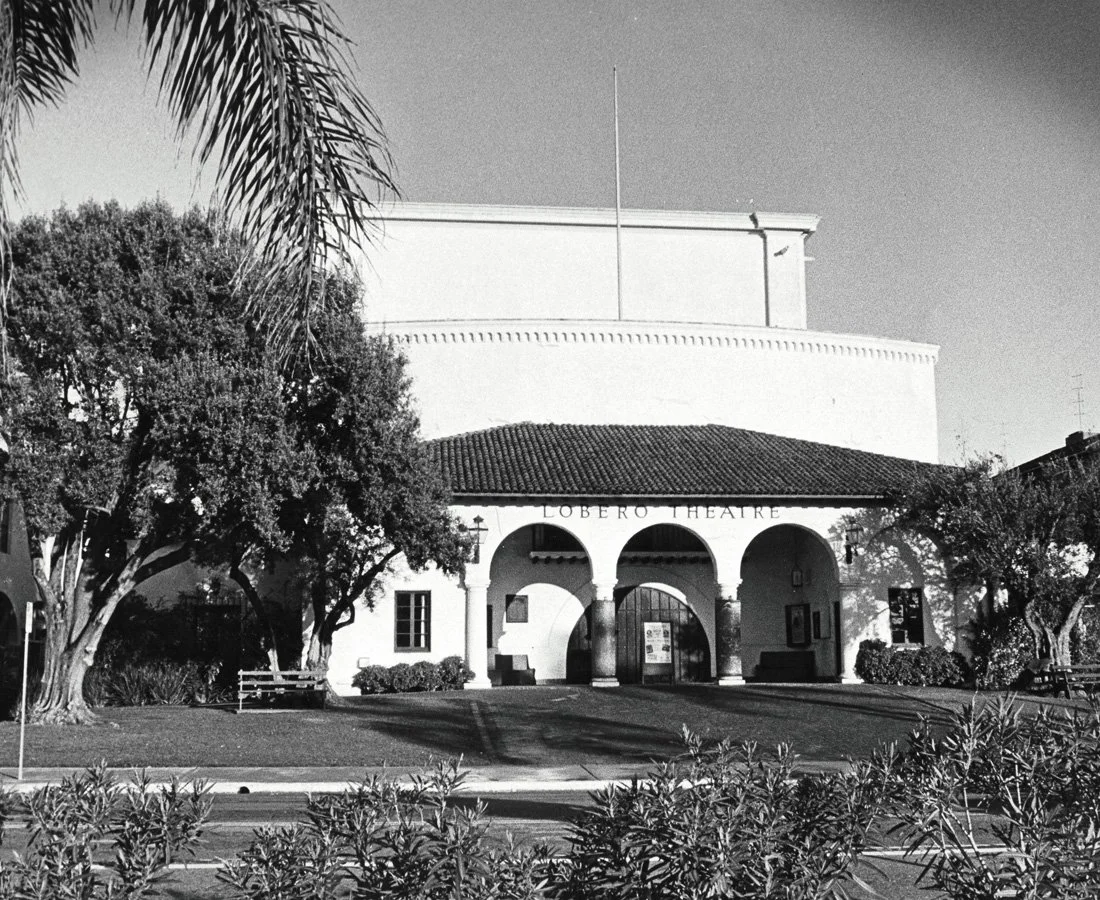
The Lutah Touch in Santa Barbara Today we see Lutah’s hand most visibly in one of Santa Barbara’s most iconic landmarks: the Lobero Theatre. But Lutah’s architectural touch also caressed the community with comforting details, like an interior designer selecting decorator pillows for the couch and the perfect lamp to tie in the decor. Lutah sought to make Santa Barbara’s living space more beautiful and peaceful.
She put her stamp on the five-story Suski building to make it harmonize with Casa de la Guerra and El Paseo, for which she created the charming entrance welcoming pedestrians in from State Street. She had her hand in designing the parking area between the library and the Santa Barbara Museum of Art. Her touch can be found in the sweet water trough designed for horses and dogs at the corner of Sycamore Canyon and Stanwood Drive. And the Santa Barbara Umbrella, which is a perennial bloom across Southern California, was of course her design...some 90 years ago.
Lutah Who?
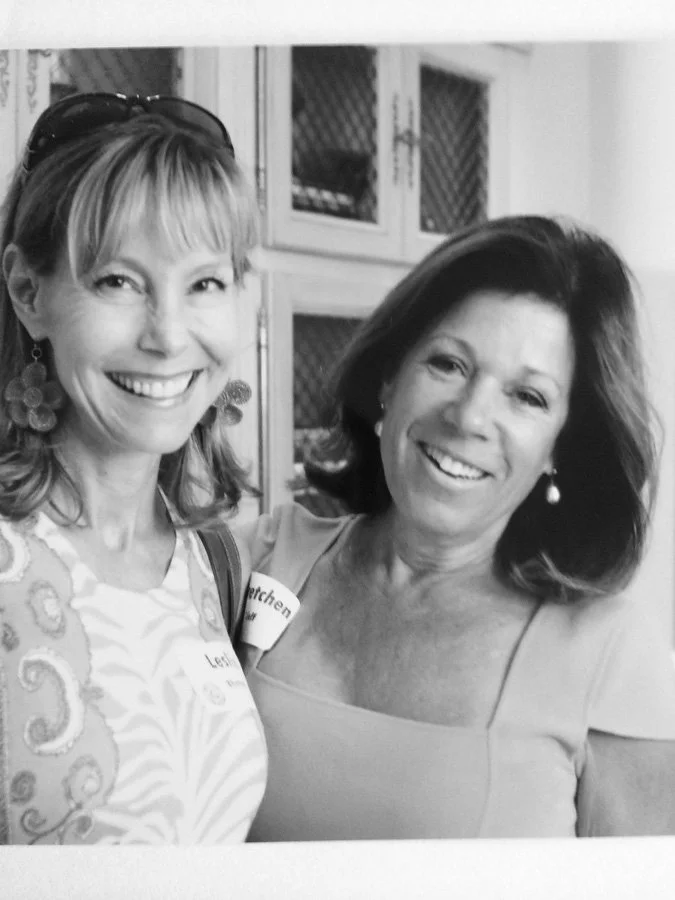
In restoring their George Washington Smith home, Gretchen and Robert Lieff learned about his lead designer, Lutah Maria Riggs. Gretchen’s research led to an entire archive on Lutah at UC Santa Barbara’s Art, Design & Architecture Museum. Realizing that Lutah was worthy of recognition beyond the architectural community, Gretchen—with fellow enthusiast Leslie Bhutani—launched the Lutah Maria Riggs Society, attracting others interested in discussing Lutah’s design and style. The society’s synergy is now producing a documentary film on Lutah, directed by award-winning documentary filmmaker Kum-Kum Bhavnani (Nothing Like Chocolate). For more information, visit lutah.org.
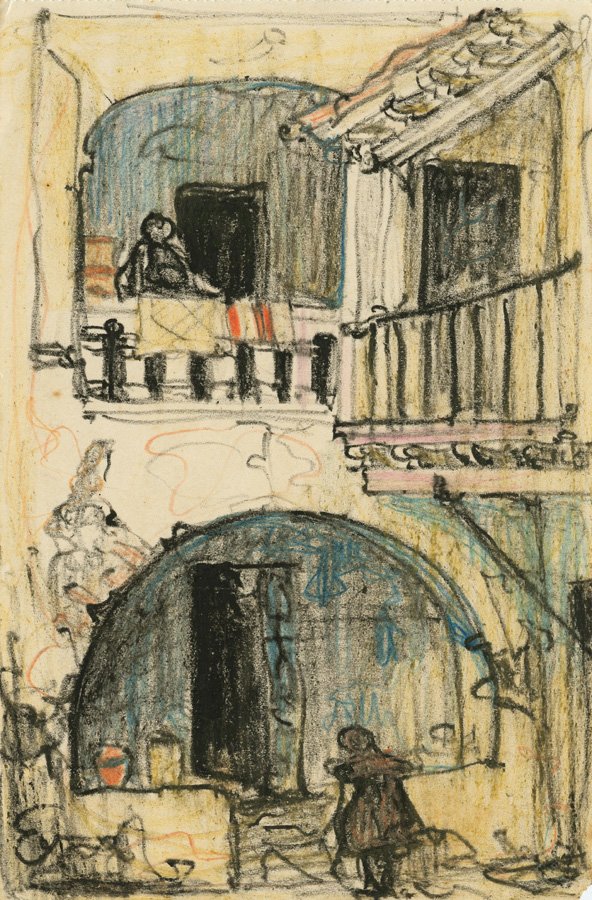
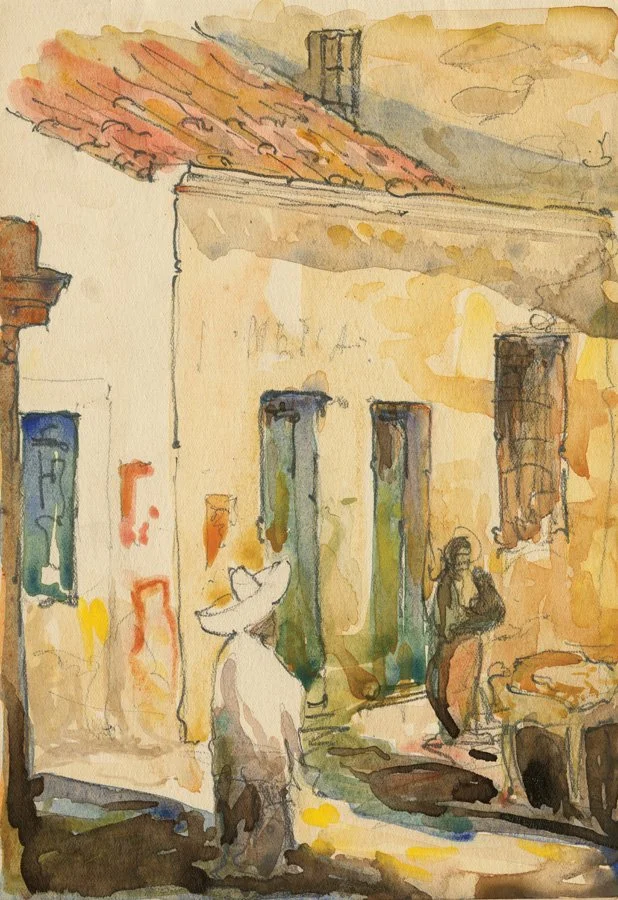
Photographs courtesy of Santa Barbara Historical Museum, Marvin Rand, Montecito Association History Committee, Collection of Joe Woodward; Watercolors, Architecture and Design Collection. Art, Design & Architecture Museum, UC Santa Barbara; Diaries, Montecito Association History Committee
See the story in our digital edition
Fate & Fortune
Interiors guru Paul Fortune and husband Chris Brock create their well-designed destiny in the mountains of Ojai

Interiors guru Paul Fortune and husband Chris Brock create their well-designed destiny in the mountains of Ojai
written by GINA TOLLESON | photographs by DEWEY NICKS
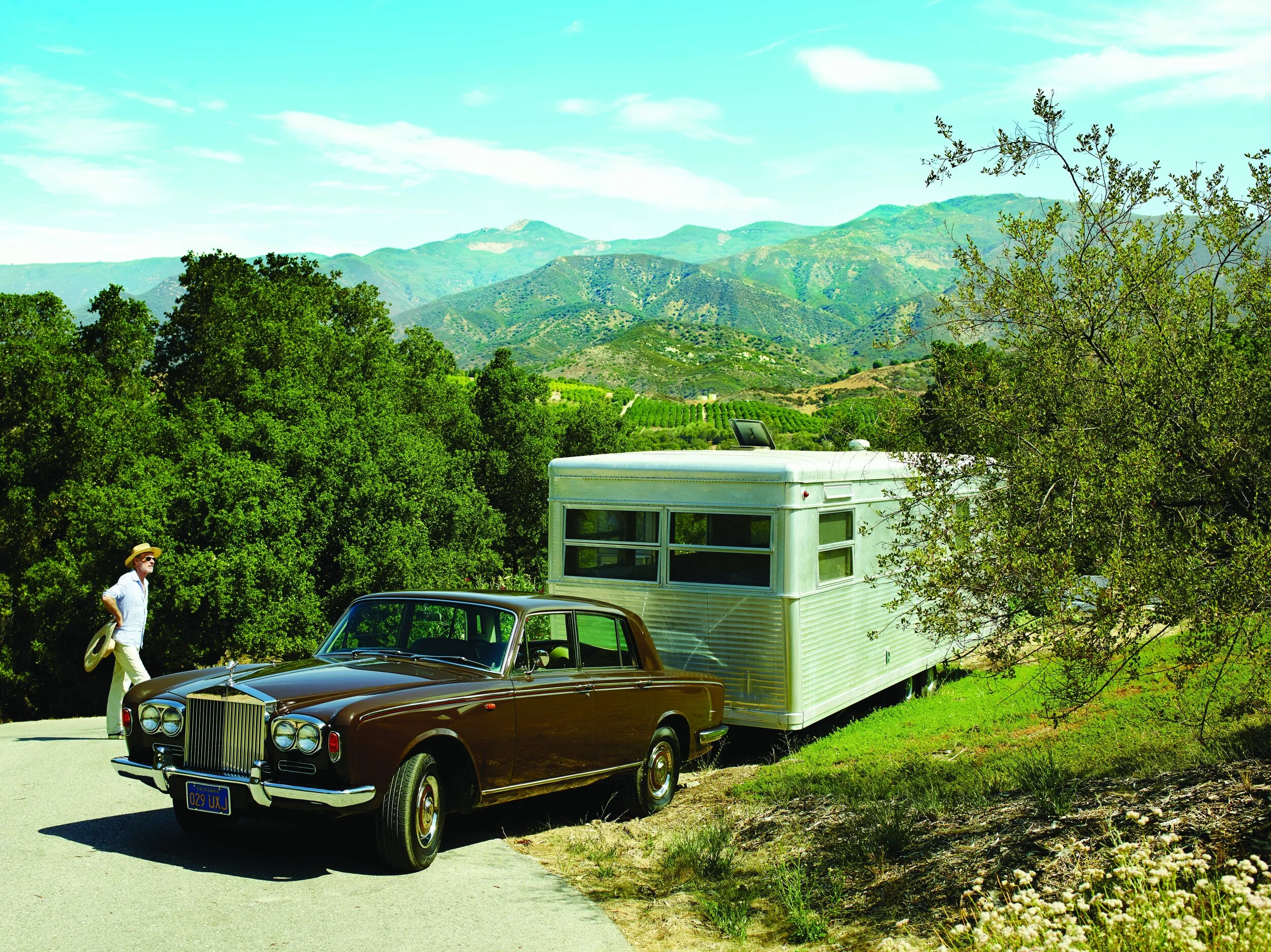
Since moving to Ojai last October, Paul Fortune and Chris Brock have by all means gotten back to the basics. Albeit, basics for this interior design icon (Fortune has spruced up Marc Jacobs’s New York townhouse, Aileen Getty’s Los Angeles palatial home, art world It Girl Dasha Zhukova’s Saint Bart’s compound, not to mention reviving Hollywood’s deco landmark Sunset Tower Hotel) is a picturesque two-bedroom bungalow and a vintage Rolls-Royce up a dusty trail while drinking in the “Pink Moment” sunsets on the Topatopa Mountains. A far cry from the starlets and stimuli of Los Angeles, where the recently married couple of 14 years lived the luxe life in Laurel Canyon, and lead successful design, floral, and garden businesses. “After 30 years, we needed somewhere that felt restorative, not redundant,” says Fortune. “We found that Ojai fit the bill.” And did it ever. While both practice yoga and meditation daily, Brock is now exploring large ceramic forms with art deco influence, and Fortune continues consulting with clients and is considering opening a gallery for “really rare and beautiful art, ceramics, and antiquities,” he says. Herewith, we had the fortune (pun intended) to spend a day with the sartorial duo, indulging in opera, paying homage to David Hockney, and discovering that a Paul Fortune-decorated aluminum trailer might just be the chicest guesthouse ever.


What was the final or definitive push to leave Los Angeles? We found that the things we liked about L.A. were fast disappearing and we didn’t like what they were being replaced with. After Les Deux Cafes closed (where we met in fact, and which I designed and was a partner in), we didn’t really have a place to go. We like tablecloths and a place where the noise level doesn’t make your ears bleed. The Sunset Tower Hotel was a final try at restoring some of the old Hollywood glamour we loved, but it was overrun by the new Hollywood and that was that!
What’s a typical day for you both now that you’re off the beaten path? We do yoga and qigong classes with Ingrid Boulting at The Sacred Space, lunch at Farmer and the Cook, and gardening. I still work on projects and have an office in L.A. We tootle around in our 1967 Rolls-Royce and visit the amazing nurseries. We love going to the opera in Santa Barbara and Music Academy of the West concerts and visit mystics and sages for chakra cleaning. We have no television and catch up with tons of books and periodicals.
Your approach and aesthetic for your current cottage? Pared down and easy. Just the basics but with a touch of California glamour.
Any particular pieces that you will never get rid of? My Charlie Fine painting, which got a new lease of life here and some early Roy McMakin pieces that are very Ojai. Also, our giant staghorn ferns.
What is your design signature? The not-done no-particular-period look. Considered and comfortable. Refined. What’s wrong with a little refinement?