
The Underlying Architecture of Lutah
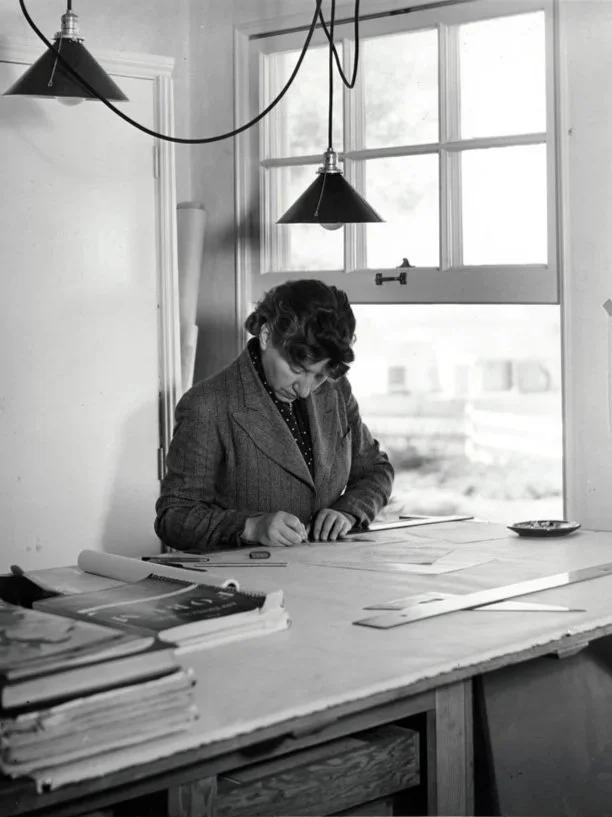
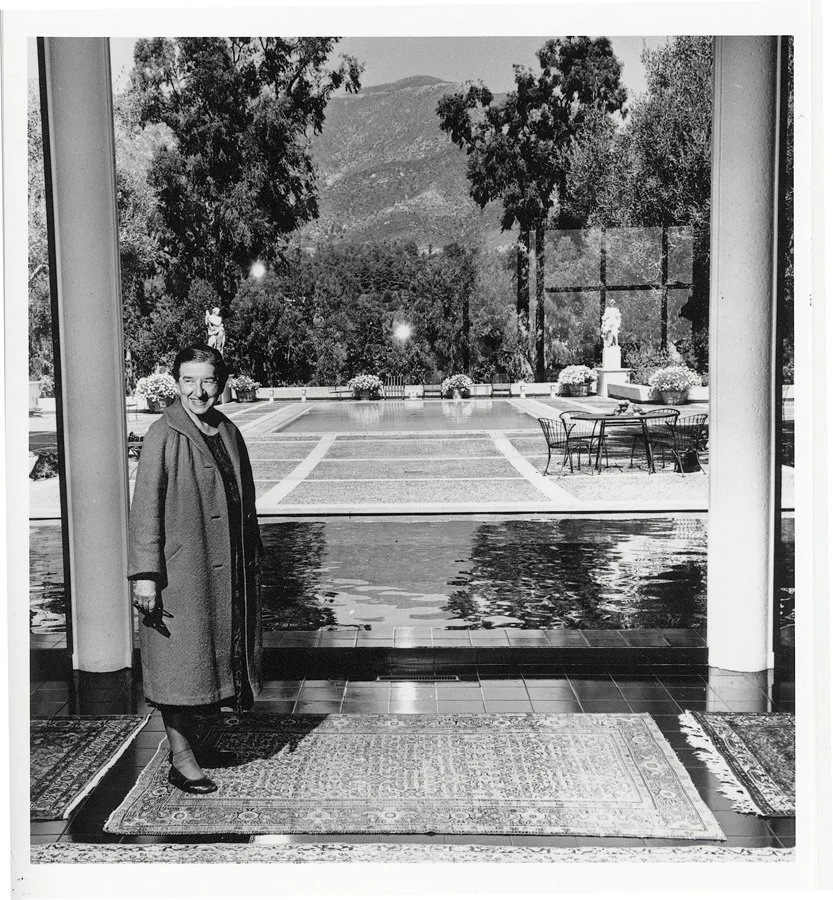
Lutah in her office soon after her design triumph with the von Romberg home: 1939.
Written by Erin Graffy
Lutah Maria Riggs. What was the driving force or inspiration that spoke to her passion, her profession, her spinsterhood, and her privacy? Not only was she Santa Barbara’s first female licensed architect (1928), but her name also remains among America’s most distinguished professionals in the field and was the first among California women to be named a Fellow of the American Institute of Architects.
Much has been written of her work with renowned architect George Washington Smith (she was his draftsman then chief designer). However, their relationship lasted only eight and a half years, ending upon his death in 1930. Lutah continued as an architect in her own right and primarily on her own for another astonishing 50 years, producing homes and buildings with her unmistakable imprint of meticulous attention to detail, siting, and space.
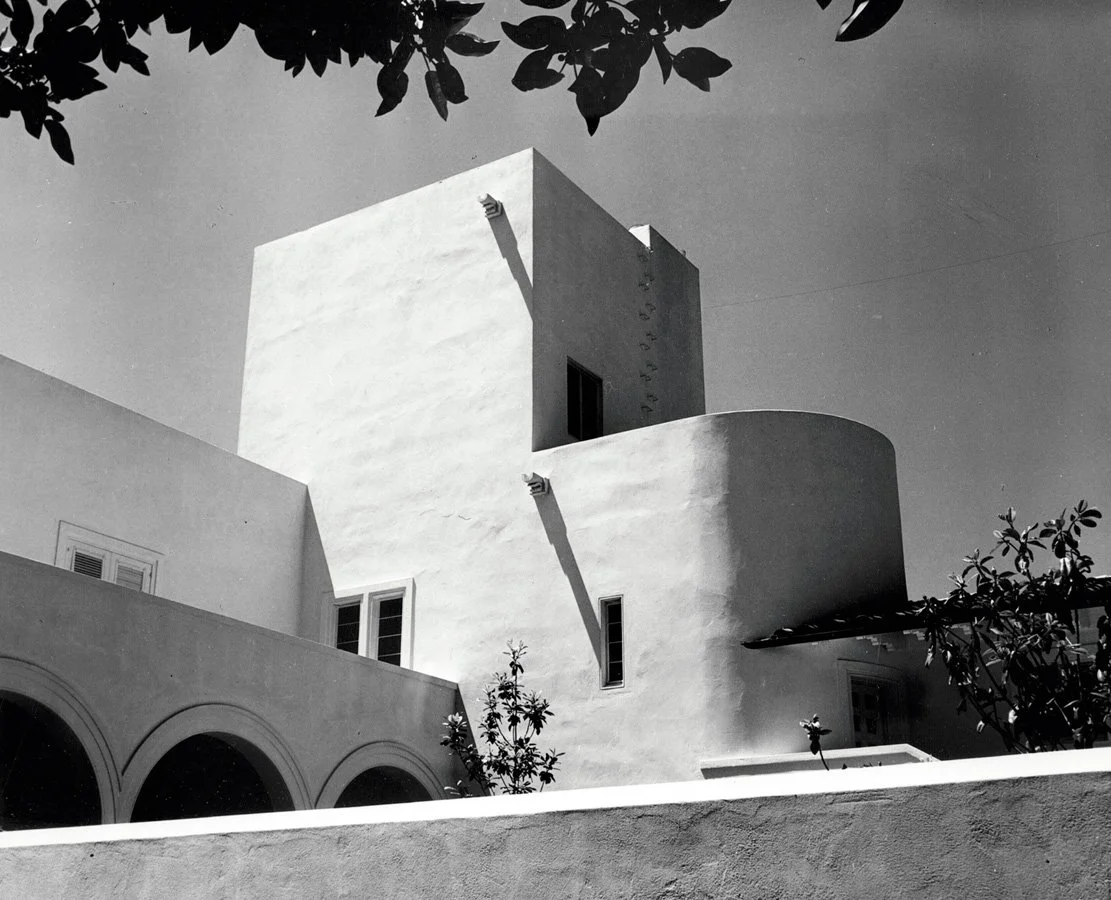
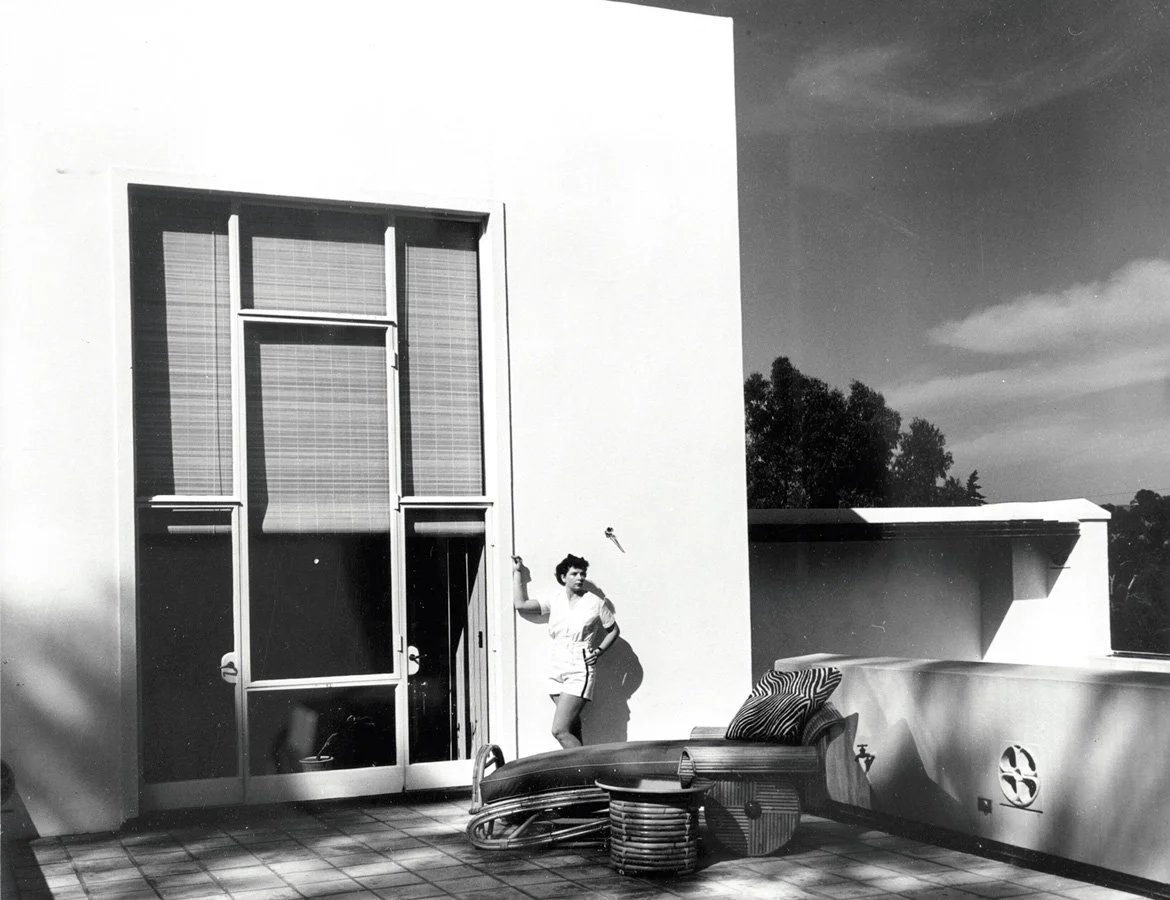
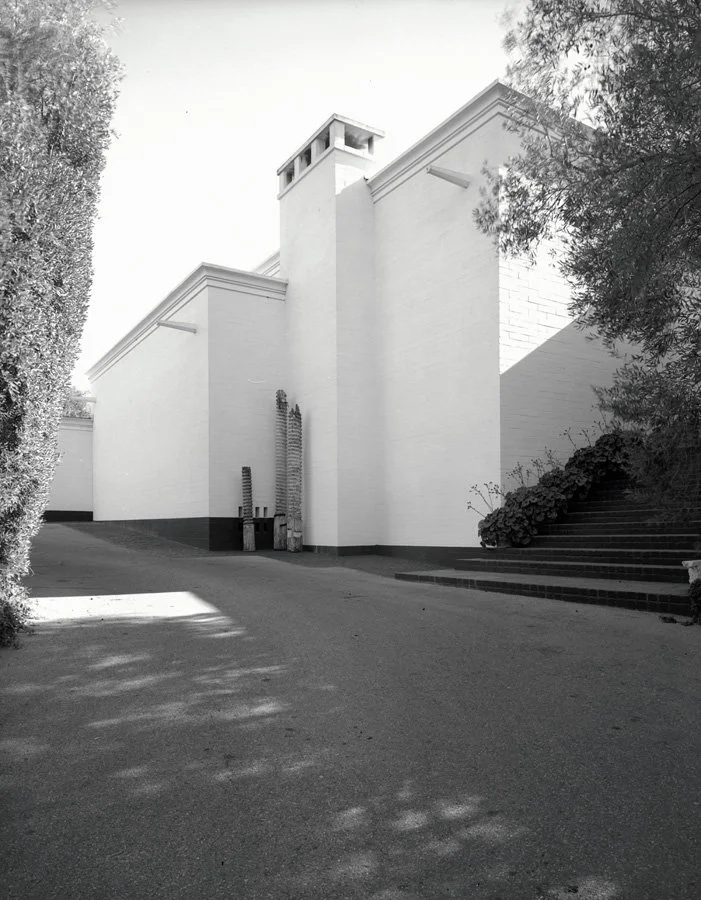
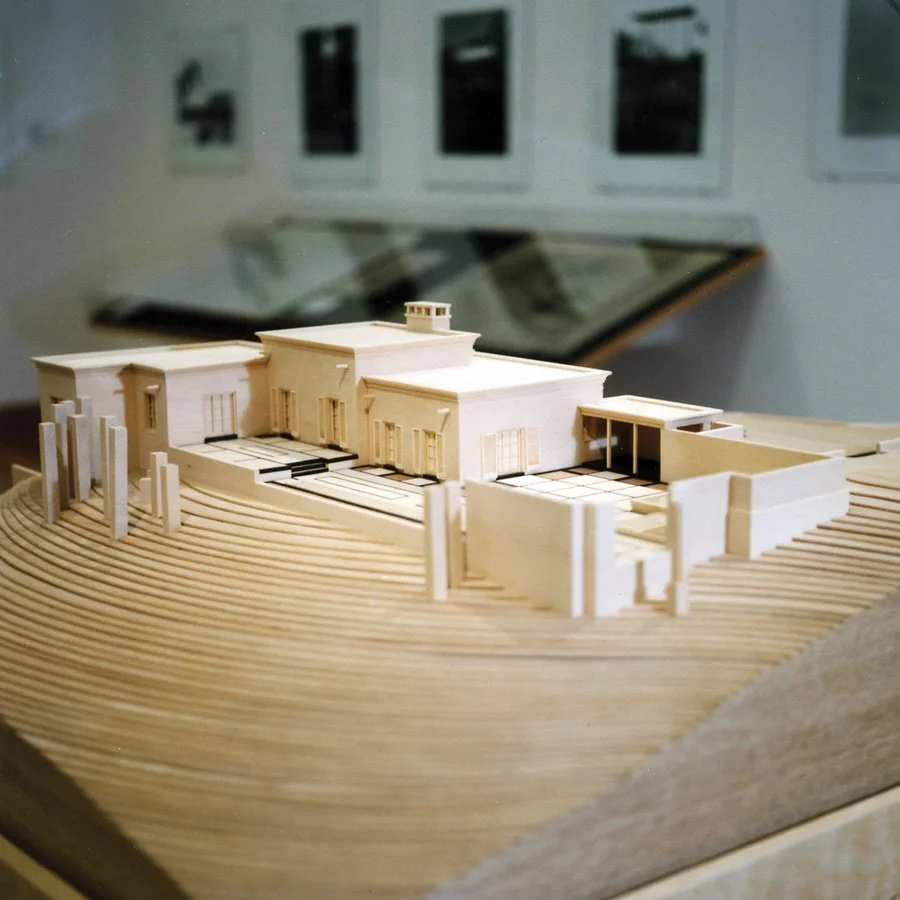
The von Romberg residence (1937-1938).
With recent interest in her life and work—including an upcoming documentary produced by the Lutah Maria Riggs Society (see page 174)—the question is often asked: How do we define this idiosyncratic character? The contradictory nuances of her personality were as varied as her architectural style. Her image—a small frame enveloped in her trademark long, dark “bag lady” coat—was in complete contrast to the open, airy, light-filled domiciles she created.
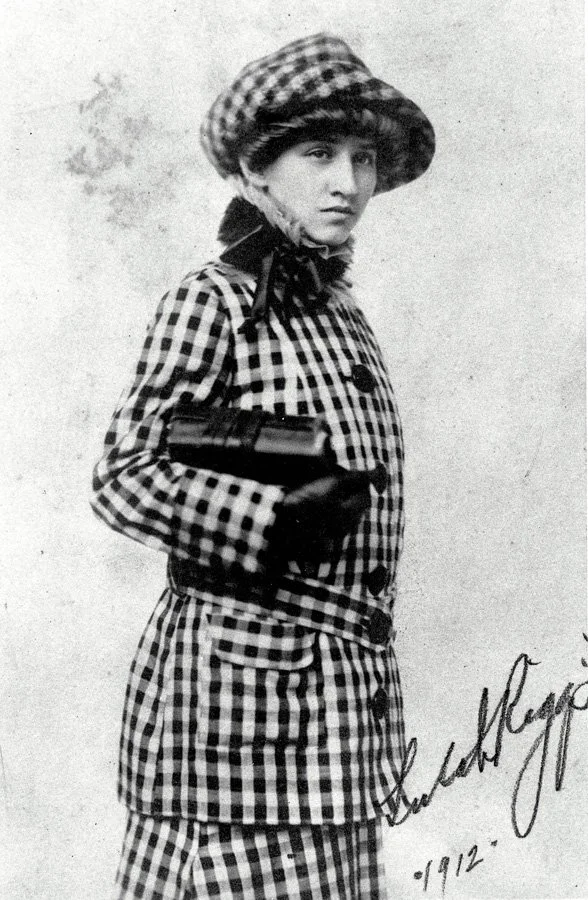
Portrait of Lutah at 15 in Washington, D.C. to see President Wilson inaugurated after winning a contest.
She never married, and she proudly informed that fact, emphatically correcting others that she was Miss Lutah Riggs. Rumored suspicions of a long-lost beau or whispered wonderings if she had been a lesbian are equally without support. She was not in the least hostile to men—although she was annoyed at the times men would not hire her because she was a female architect. On the other hand, she was equally irritated with feminists who hailed her as a “great woman architect.” She felt the term was demeaning; she preferred to be thought of as a great architect, period.
Childhood Perhaps then it is fitting that our story finds the enigmatic Lutah born on Halloween 1896 in Ohio. An only child, Lutah never really knew her father, who was a physician. Before she was 2, he deserted the family to join a health cult in California after he became ill.
His absence was extraordinarily hard on Lutah’s mother, Lucinda; she was not only emotionally devastated, but also left financially destitute. The mother and child lived hand-to-mouth with in-laws (who beseeched the husband to come back and do his duty to care for his family), relatives, and friends. They were continually in desperate or tenuous housing situations.
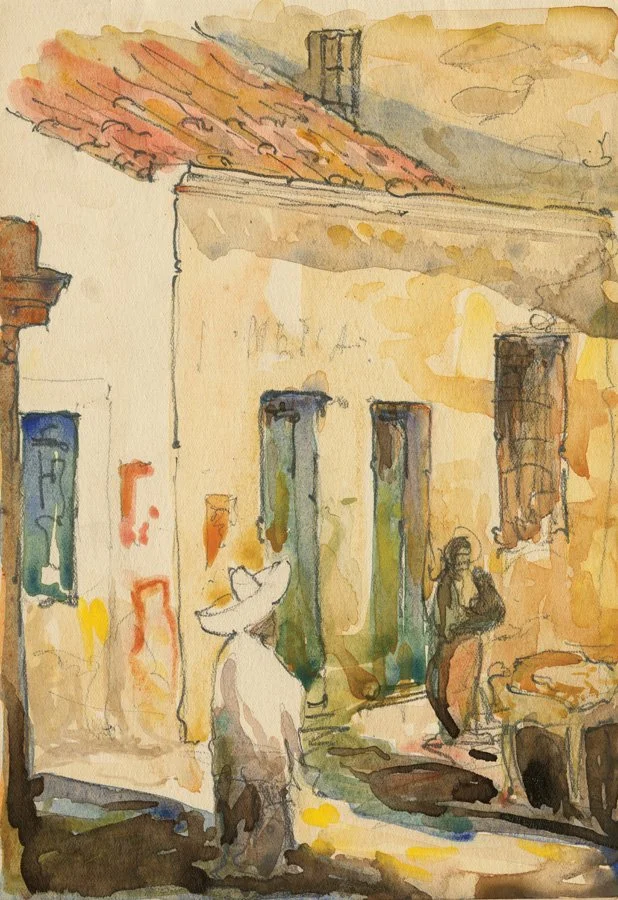
When Lutah was 8, her father passed away in California. Nine months later, Lucinda and Lutah traveled to the West Coast to settle his effects. Through unknown circumstances, Lucinda ended up in a whirlwind courtship to a divorced man she just met; they married in Washington. The three returned to Indiana, where mother and daughter experienced domestic security in their new two-story home. It was short lived: a year and a half later, Lucinda and her second husband were divorced.
Two years after her divorce, Lutah’s mother took up with an enlisted army private working as an army cook in Texas. The two married in January 1912, and the family moved to Indianapolis, where Lutah attended high school.
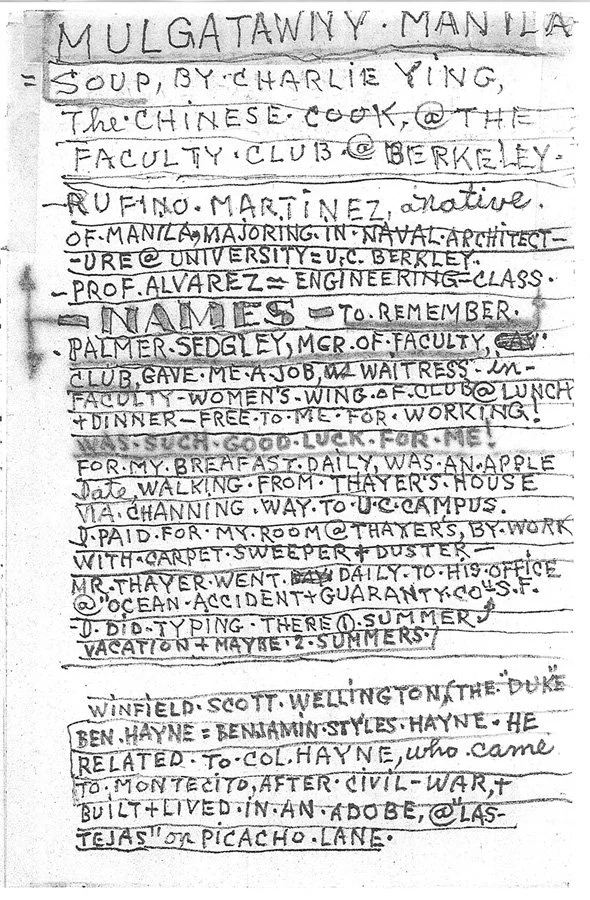
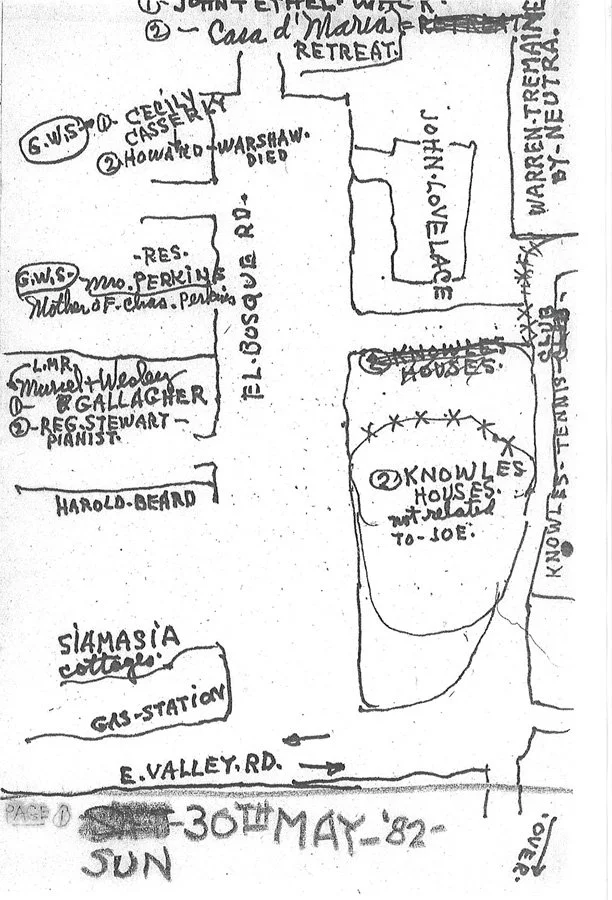
The name Lutah—said to be an invention of her mother’s—hardly stood out in a class filled with students named Ersel, Mendle, and Tillma at Manual Training High School. Their class’s motto was “Build high, dig deep”—probably prophetic for the future architect. Lutah was a smart, diligent student and seemingly excelled at everything she did: honor roll, designing school posters, earning awards, art contests, serving as assistant academic editor of the school paper, and even winning the Indianapolis News student contest to attend the inauguration of President Woodrow Wilson. She was plucky and puckish (she once won the cash prize of a joke contest by writing witty jokes about schoolmates), clever and likable, and was elected to student senate.
During Lutah’s senior year, her stepfather—urged by his sister in Santa Barbara to move out there—found a job running the streetcar on East Haley. After graduation, Lutah and her mother joined him in Santa Barbara, arriving in October 1914. In Santa Barbara, Lutah attended the junior college, finishing with her teaching certificate in 1917. The family lived in a tiny house on North Soledad Street. But it turned out that this, again, was no home sweet home. Sensitive Lucinda, who was tender and devoted to Lutah, managed to pick—for the third time in a row—a man seemingly useless in being able to provide financial and emotional security. Her stepfather was not dependable with money and drifted through various laborer jobs. Letters later exchanged by Lutah and Lucinda portray him as very sloppy; the home was in disarray and a miserable mess.
Lutah processed her affairs in a practical way. Her sensible response was to work at any and every small job to earn money, and then go on to higher education, as her mother had always encouraged her. She diligently pursued and won a scholarship to UC Berkeley through a subscription drive contest with the local paper. Now she sought a degree.
As a teenager, drawing always appealed to Lutah. In junior college, she enjoyed college chemistry so much she fancied pursuing it as her major. And in interviews of the 1980s, Lutah mentions that she had an interest in studying history. But one other fascination—architecture—gave her the opportunity to fuse all three. With architecture, she could combine her analytical and problem-solving skills; it provided the ability to infuse a sense of history; above all, it could give practical expression to her tremendous creative and design talents.
Her years at Berkeley at “the Ark” (as the architectural school building was called) were filled with a very tight, familylike friendships between the students—both male and female. Lutah was in her element. Her days were happy, attending “moving pictures” frequently, regularly going out with her pals to dances and parties, and taking hikes in the hills of San Francisco.
She was brilliant, broad-minded, and well read. She excelled, taking top place for the evaluations, and earning high praise for her renderings and design. Winning the Alumni Prize at graduation allowed her to return for graduate work.
By the end of college, letters exchanged between mother and daughter indicated Lucinda was planning to divorce her husband. Quite often, Lucinda sounded like an anxious teen, while Lutah took on the role of the sensible parent. Lutah repeatedly encouraged her mother to stop worrying and provided advice on handling her husband and planning for divorce.
Lutah frequently mentioned money—where they could save some, schemes to earn more, and her future aspiration to earn enough to take care of them both. “I want to get enough money ahead to get the house fixed completely so we can live like human beings,” she wrote. She continually sent her mother money and even made arrangements to upgrade the home’s bathroom fixtures.
With her degree in hand, and a portfolio of award-winning designs, Lutah was now ready to step out into the real world. In the 1920s, however, women did not “have it all.” What they had was a choice: they could be married with a family, or they could have a career. Lutah went a third route of her own making. By the time she finished her work in architecture from the University of California and was ready to start her profession, Lutah had already picked out who would be her soul mate and life partner: architecture. Their offspring were her homes and building designs, and she poured into them her devotion and energy, fussing over and attending to every detail.
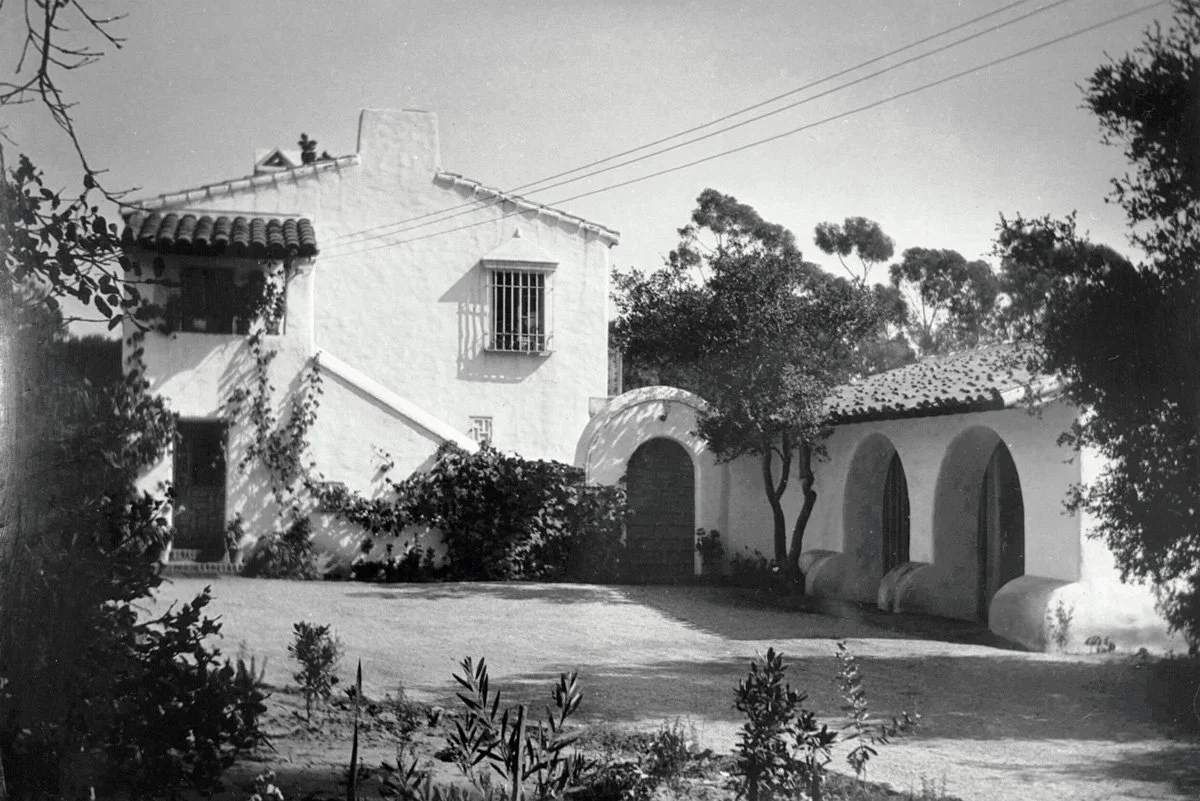
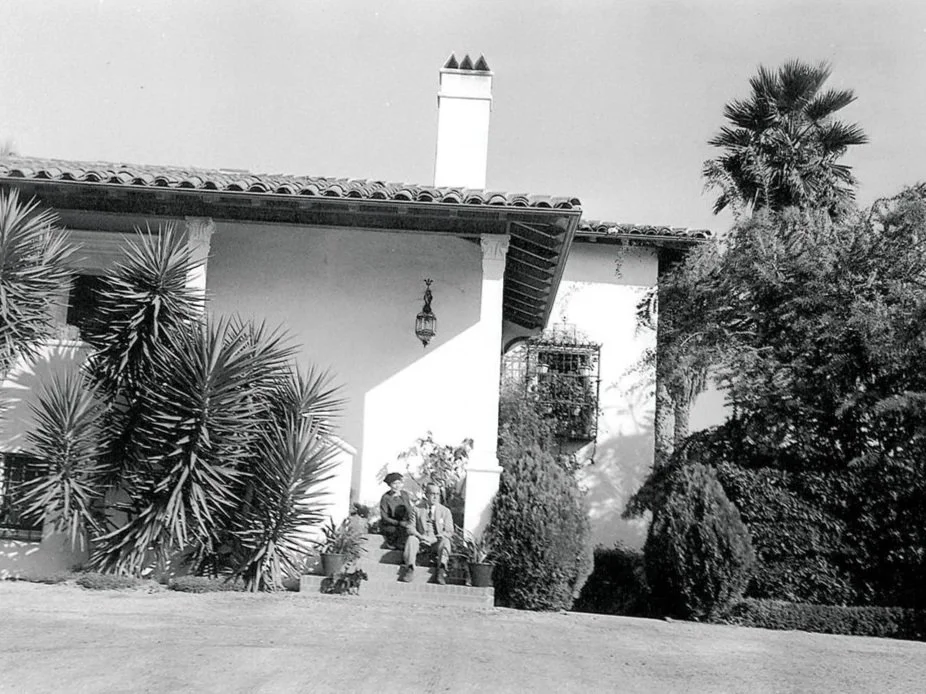
Lutah’s own exquisite home—Clavelitos—was sited so as not to disturb the oaks on the property, 1926. She described her award-winning architecture as “Andalusian, Mexican Colonial, and Riggs!”
A house was not a home; Lutah designed homes...the one she never had, but one that would embody what she and her mother would have sought: “Shelter from the elements, a place of retreat and rest, a place of happiness, if possible, and enough beauty to provide a lift for the spirit,” she once wrote.
When she designed for her clients, Lutah never tossed down a blueprint of pretty rooms. She listened like a mother to what her clients needed and what would bring her clients satisfaction—and joy. She started with a small room, the womb of her architecture, and everything would grow from there.
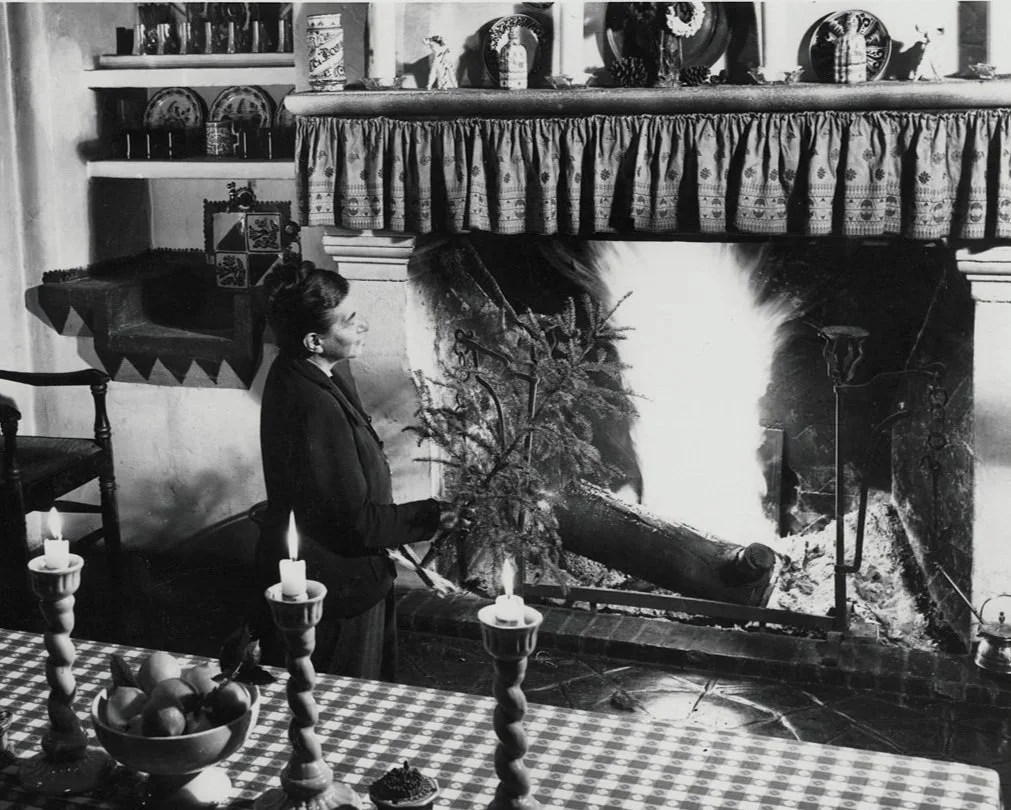
Her annual tradition of burning her Christmas tree at her home built for one.
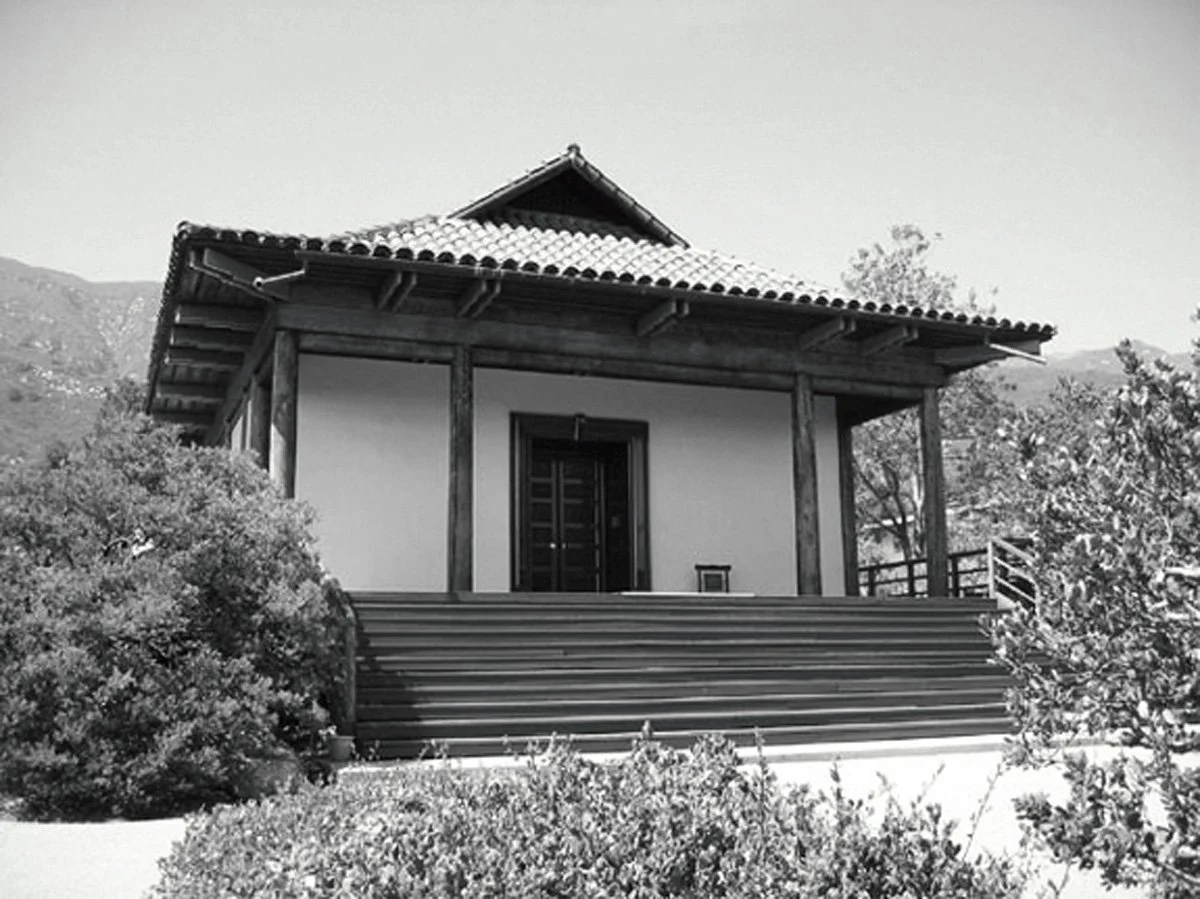
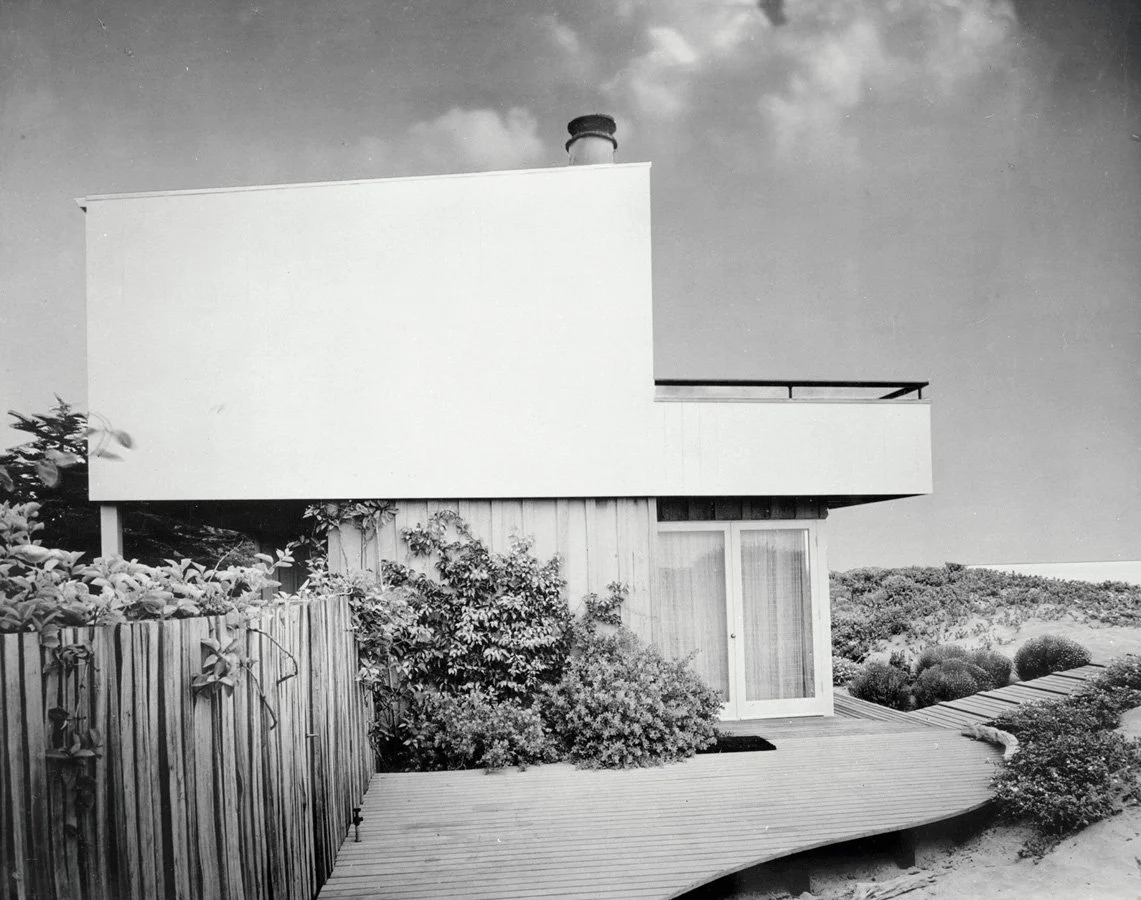
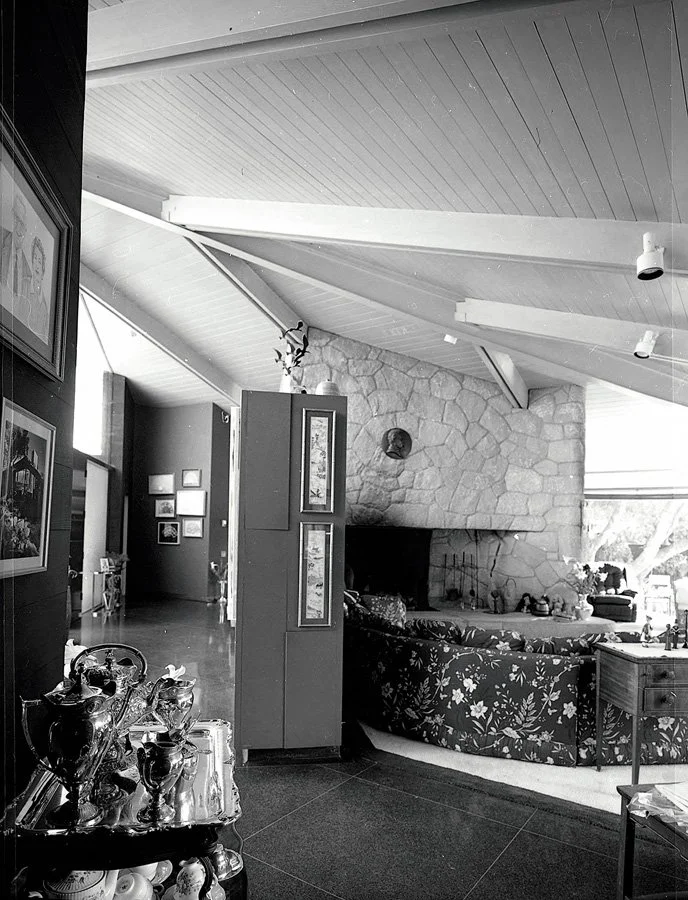
This exemplifies how adept Lutah was at different styles. She first captured and excelled at the picturesque romanticism of the Spanish revival style in Santa Barbara, because it was the setting of her beloved community “home.” But when Baron Maximilian von Romberg dreamed of a palatial European abode, Lutah could also envision that and bring it to life. The openness Alice Erving sought in a modern home, Lutah adroitly designed in what the Los Angeles Times described as a “glass tent.” Conversely, Lutah was equally adept at translating the privacy required by Greta Garbo through a reserved Williamsburg-style home.
When building her own home on Middle Road in Montecito, Lutah was 28 and single. Her home was clearly designed with one person in mind, and in fact, for only one person: Lutah herself. It was everything she wanted and was not meant to include a husband or future children. Lutah was self-sufficient and in her personal experience, nothing was gained through marriage.
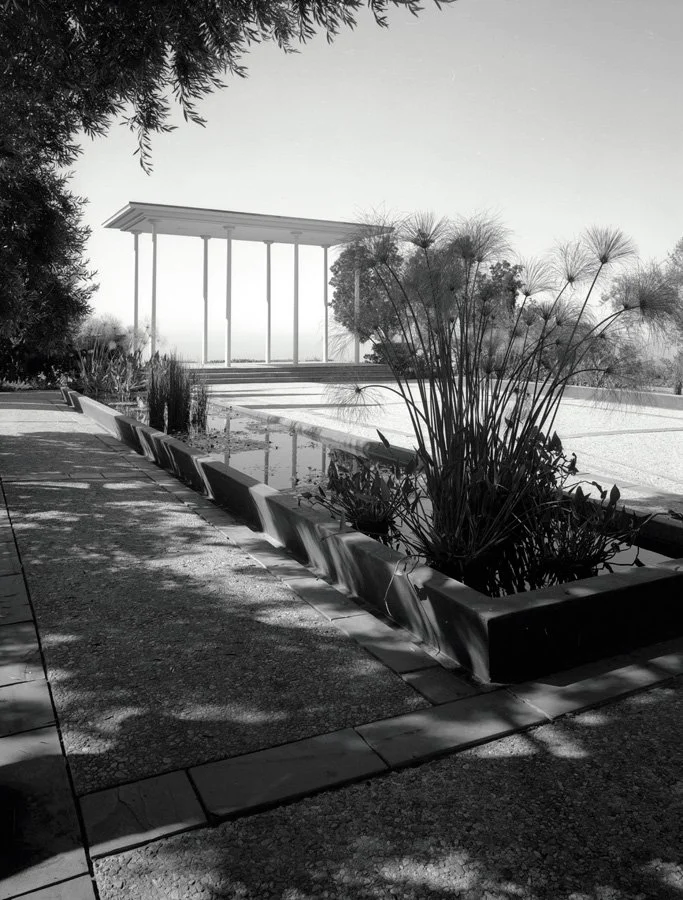
By the time she finished the University of California and was ready to start her profession, Lutah had already picked out who would be her SOUL MATE AND LIFE PARTNER: ARCHITECTURE.
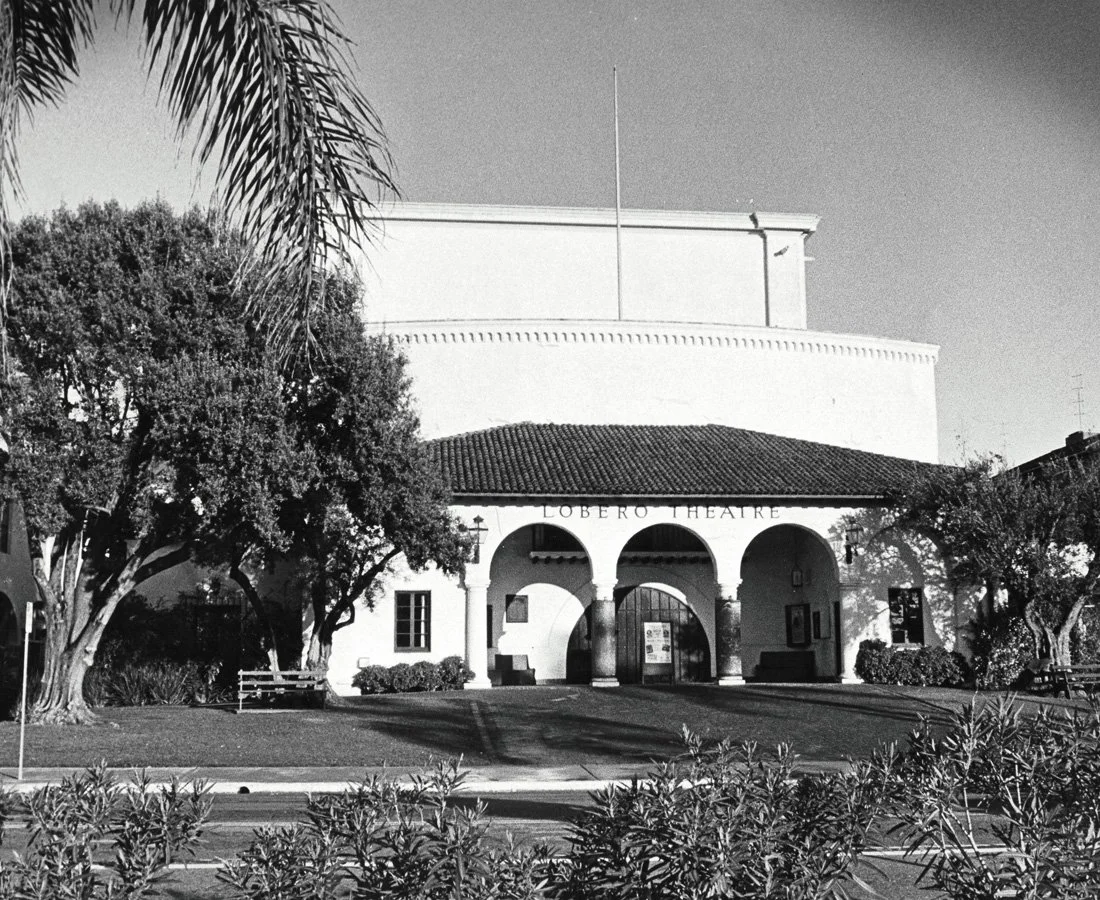
The Lutah Touch in Santa Barbara Today we see Lutah’s hand most visibly in one of Santa Barbara’s most iconic landmarks: the Lobero Theatre. But Lutah’s architectural touch also caressed the community with comforting details, like an interior designer selecting decorator pillows for the couch and the perfect lamp to tie in the decor. Lutah sought to make Santa Barbara’s living space more beautiful and peaceful.
She put her stamp on the five-story Suski building to make it harmonize with Casa de la Guerra and El Paseo, for which she created the charming entrance welcoming pedestrians in from State Street. She had her hand in designing the parking area between the library and the Santa Barbara Museum of Art. Her touch can be found in the sweet water trough designed for horses and dogs at the corner of Sycamore Canyon and Stanwood Drive. And the Santa Barbara Umbrella, which is a perennial bloom across Southern California, was of course her design...some 90 years ago.
Lutah Who?
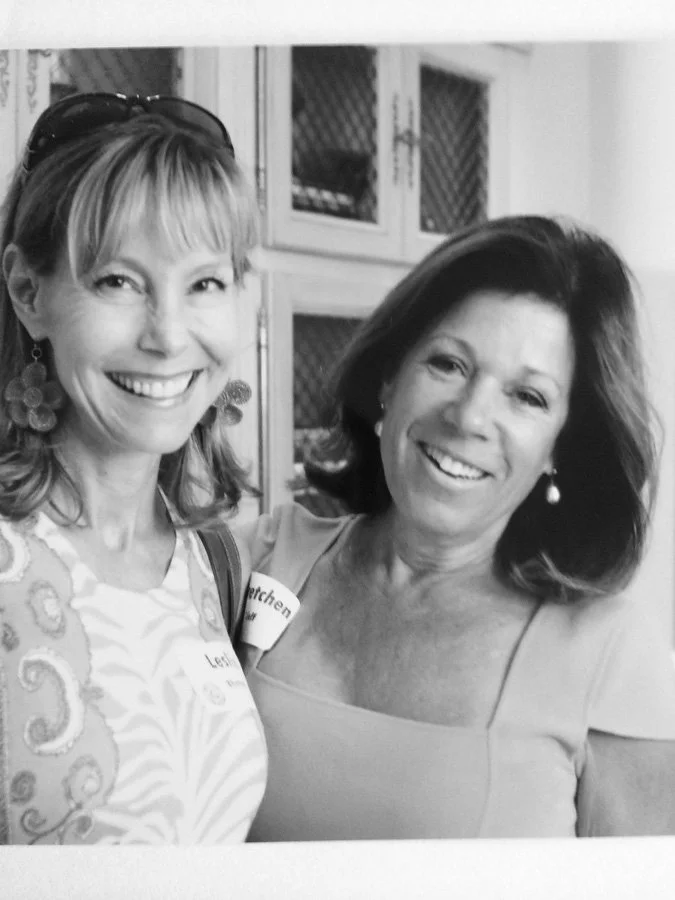
In restoring their George Washington Smith home, Gretchen and Robert Lieff learned about his lead designer, Lutah Maria Riggs. Gretchen’s research led to an entire archive on Lutah at UC Santa Barbara’s Art, Design & Architecture Museum. Realizing that Lutah was worthy of recognition beyond the architectural community, Gretchen—with fellow enthusiast Leslie Bhutani—launched the Lutah Maria Riggs Society, attracting others interested in discussing Lutah’s design and style. The society’s synergy is now producing a documentary film on Lutah, directed by award-winning documentary filmmaker Kum-Kum Bhavnani (Nothing Like Chocolate). For more information, visit lutah.org.
Photographs courtesy of Santa Barbara Historical Museum, Marvin Rand, Montecito Association History Committee, Collection of Joe Woodward; Watercolors, Architecture and Design Collection. Art, Design & Architecture Museum, UC Santa Barbara; Diaries, Montecito Association History Committee