
Where the Land Leads
Inside Rincon Hill Farm’s regenerative approach to farming and food
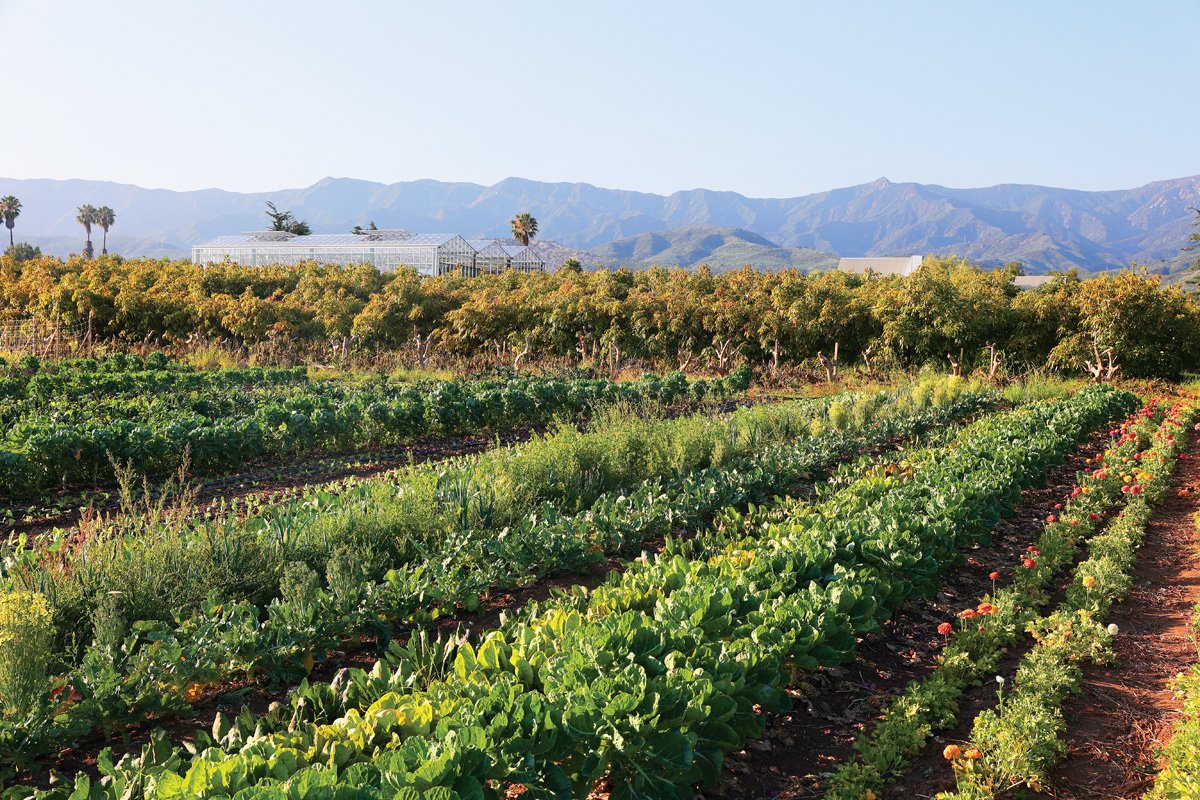
The regenerative Rincon Hill Farm sits between the foothills and coastline of Carpinteria.
Written by Hana-Lee Sedgwick
Photographs by Danielle Rubi
In a region where farmers markets are part of daily life and eating local is second nature, Rincon Hill Farm feels right at home. Set between the coastline and foothills of Carpinteria, the regenerative farm is rooted in a long-term vision: to work the land in a way that keeps ecosystems in balance, enhances biodiversity, and produces food as nourishing for the earth as it is for the people it feeds.
Rincon Hill Farm is part of the West Coast expansion of Endwell Hospitality, the team behind New York’s One White Street and Rigor Hill Farm. Bringing their farm-driven culinary model to California, they founded the farm to supply their restaurants and market, including Monte’s in Montecito and the forthcoming The Palms and Rincon Hill Market in Carpinteria.
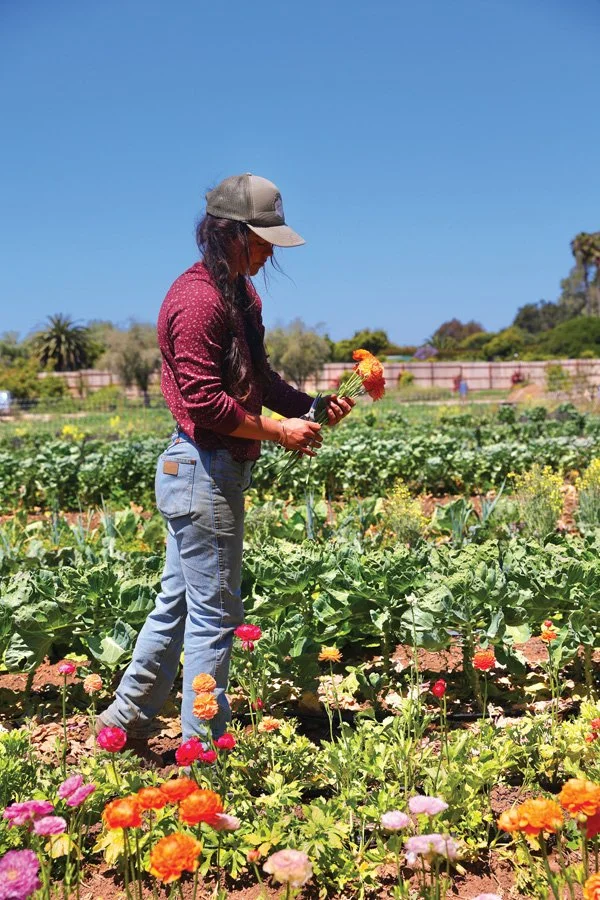
When Endwell Hospitality discovered the eight-acre parcel in 2023, however, it was far from the flourishing farm it is today. At the time the land functioned primarily as horse pasture, but the group saw its potential. “When we found the property, most of the land was pretty barren and depleted—an avocado grove and farmhouse were in place, but not much else,” says Ryan Sohn, founder and CEO of Endwell Hospitality. “We knew revitalizing the land would take time, but we committed to rebuilding from the ground up, slowly and with intention.”
With longevity in mind, Endwell Hospitality employed a small team to replenish the land, restore its native ecology, and support the surrounding environment using regenerative and organic principles, including cover cropping, composting, minimal soil disturbance, and the strict avoidance of pesticides and synthetic fertilizers. “Our goal is to support balance in our systems, and a big part of that is continually increasing biodiversity across the property,” says Chloe Lobdell, farm director. “Rather than fighting harmful bacteria or insects, we focus on supporting the beneficial organisms and wildlife that strengthen the ecosystem. By creating healthy habitats and encouraging natural balance, we trust nature to handle the rest.”
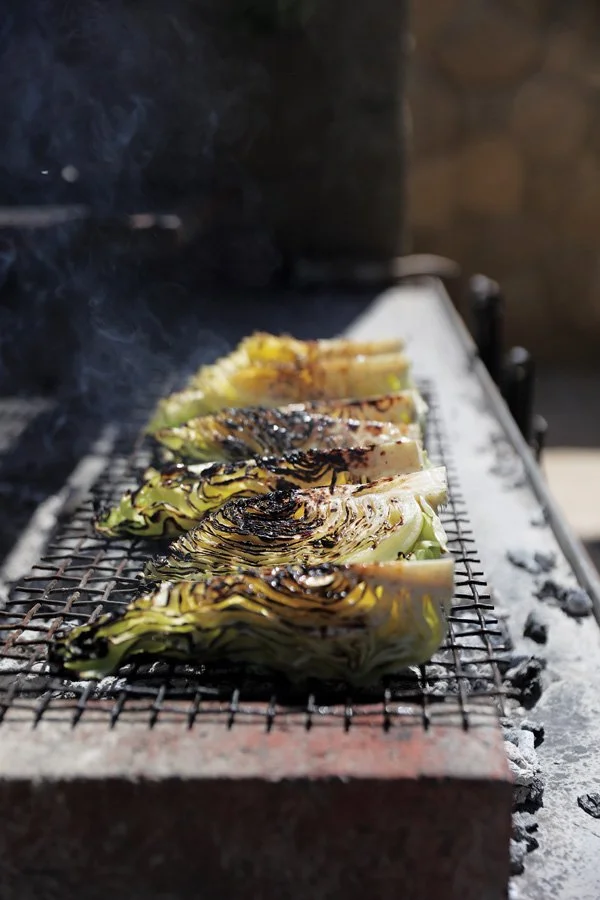
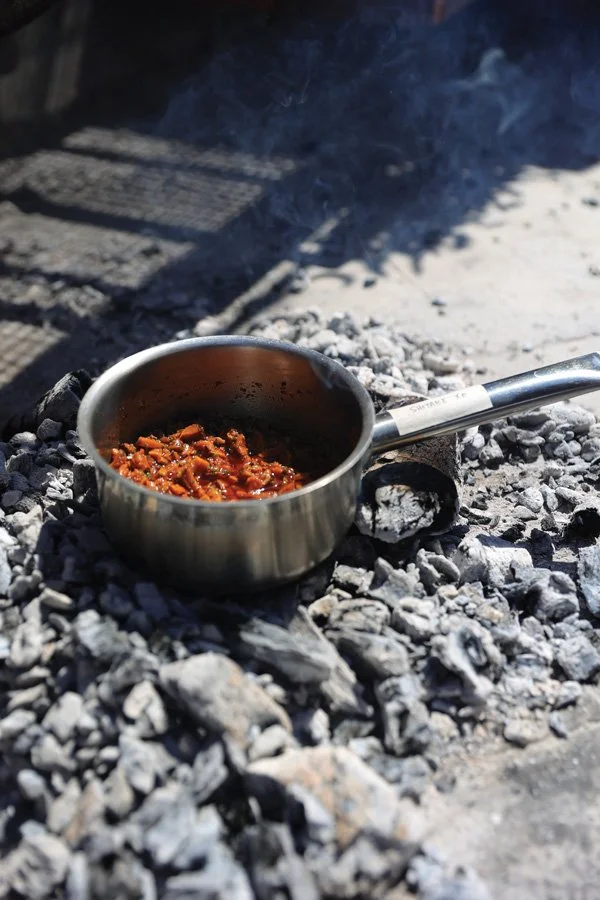
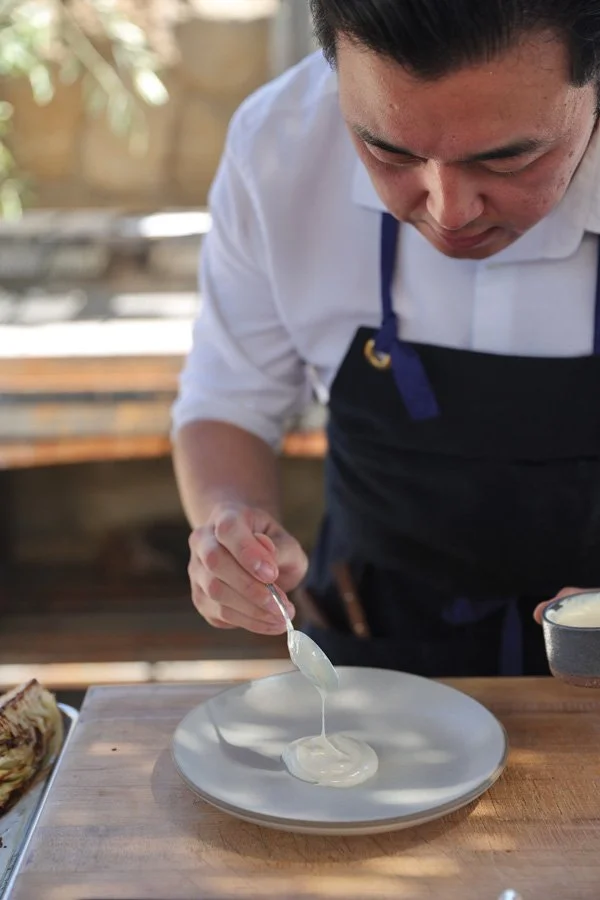
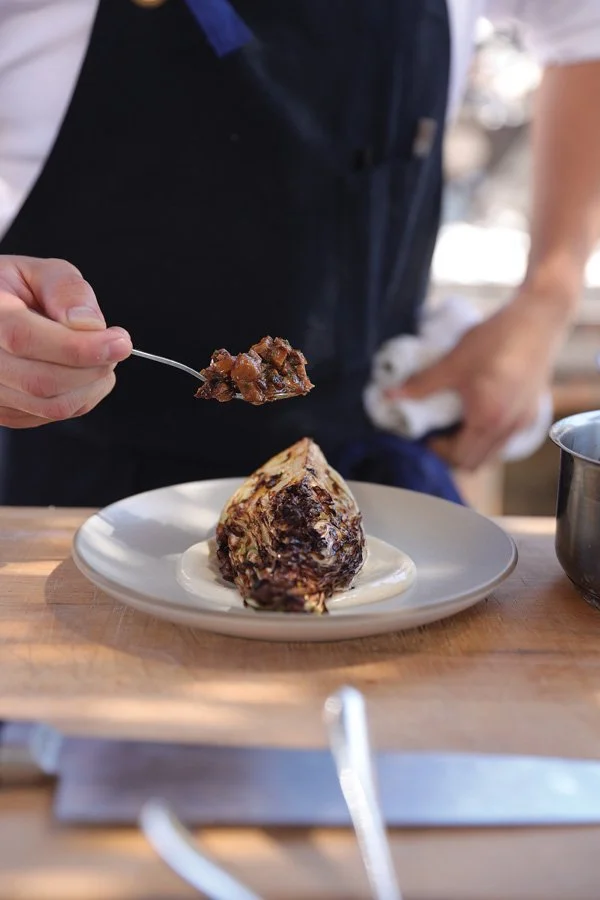
As part of this holistic approach, the farm embraces JADAM, a Korean farming philosophy rooted in building healthy, microbe-rich soils through naturally derived materials and techniques. “It’s a natural, organic approach to inoculating the soil, cultivating healthy microbes from natural items like potatoes, helping everything to grow more resilient. I like to think of it as a probiotic for the soil,” says Tim King, the farm’s director of mycology and regenerative systems.
Although it all sounds straightforward in theory, regenerative agriculture is never a quick, one-size-fits-all solution. “You have to fine-tune everything to the land itself, taking into account the specific site, climate, and even the season,” King says. After several years, however, the team has transformed the property into a thriving ecosystem, now home to more than 50 varieties of plants, trees, herbs, and flowers.
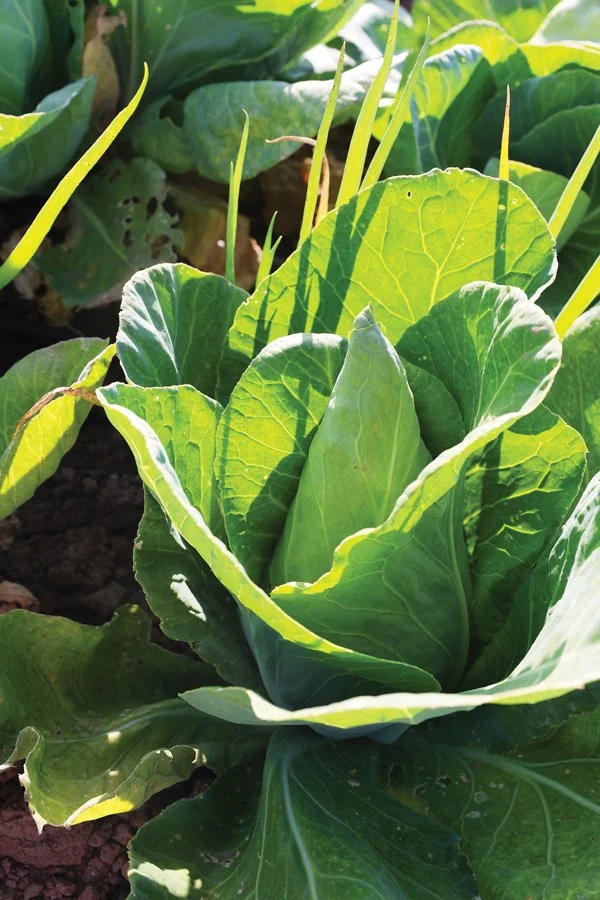

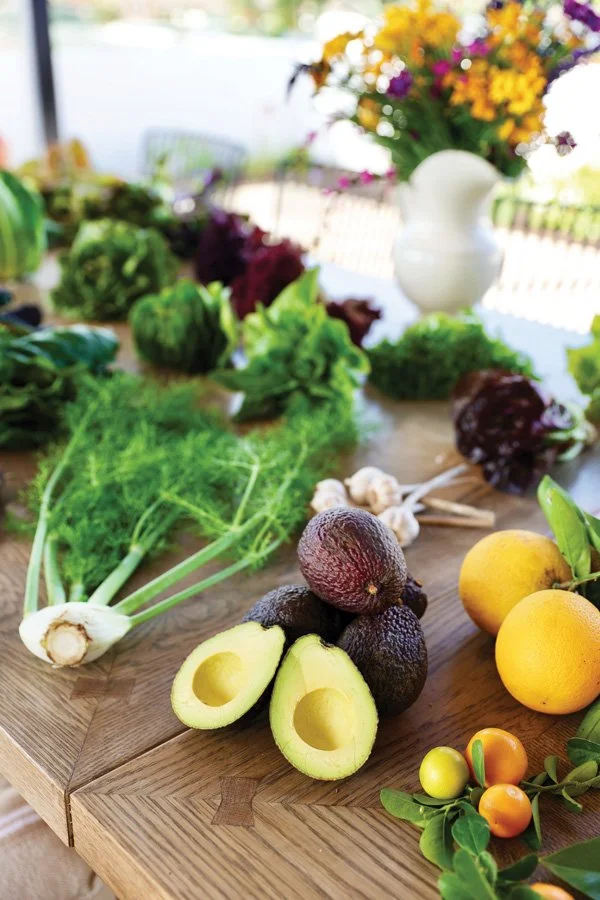
“We grow everything from daikon, cone cabbage, and Korean leeks and chives, to beans, root vegetables, strawberries, and more than 30 types of citrus fruits,” Sohn adds.
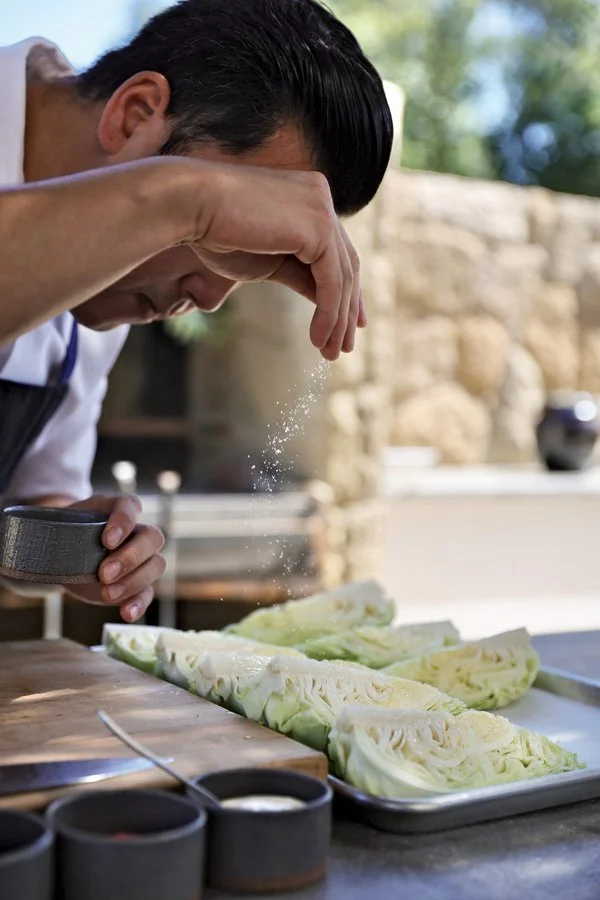
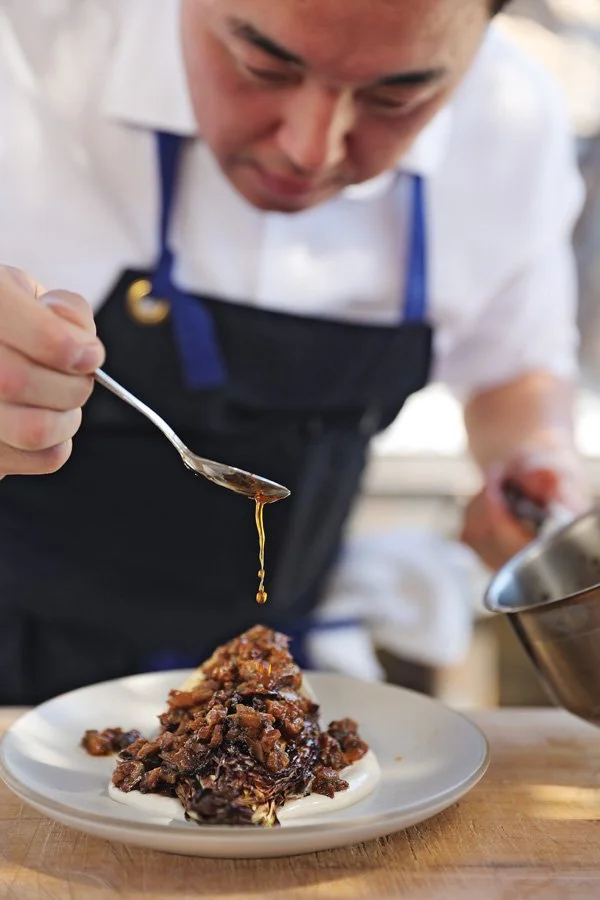
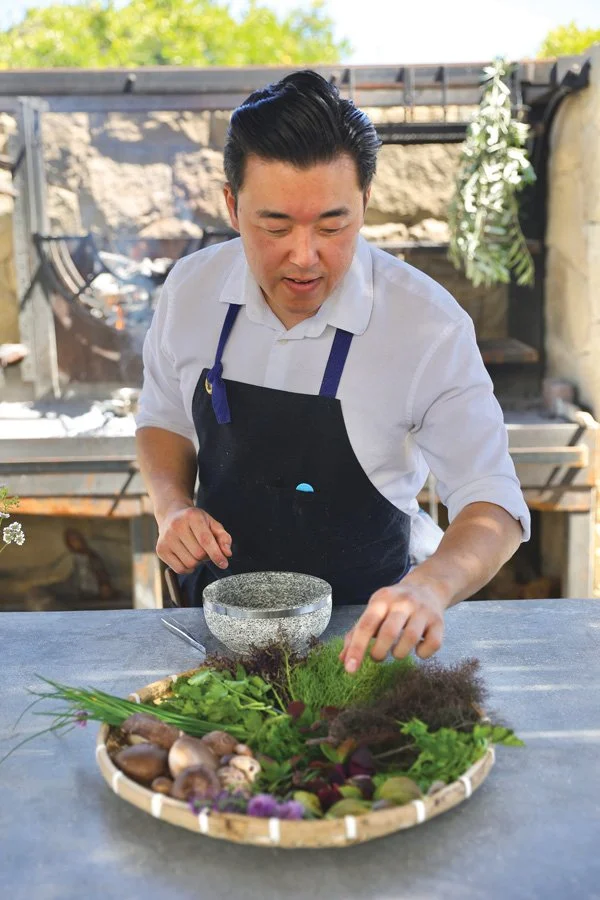
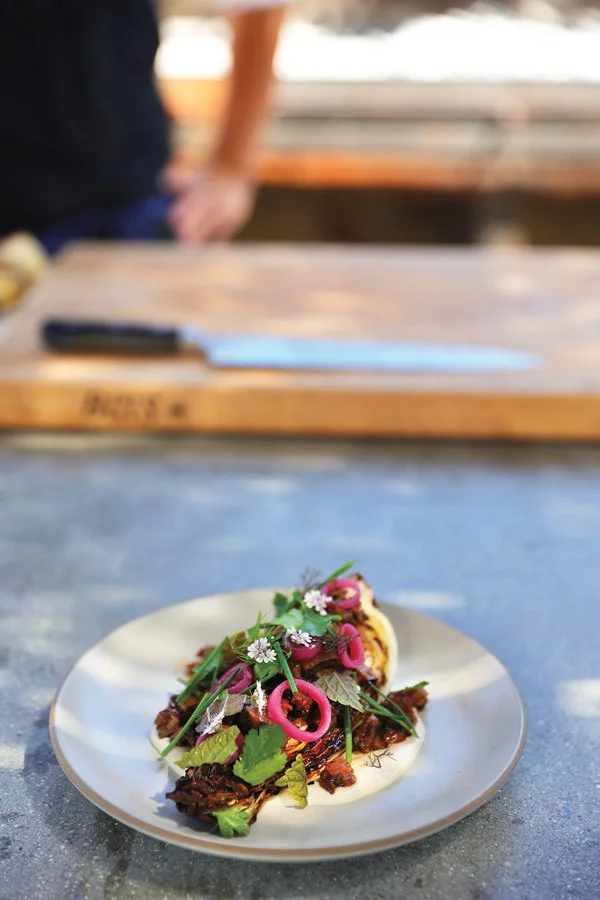
Much of what is planted reflects the needs and culinary interests of executive chef Daniel Kim, who walks the farm “at least once a week,” he says, to “stay connected to what’s growing and understand where everything is in its season.” Other crops are purposefully chosen for the restaurant menus and beneficial impact. “What sets us apart is our willingness to dedicate space to plantings that support both the ecosystem and the kitchen,” Lobdell says. “For example, we harvest fava leaves, beans, and flowers from our cover crops—all of which are edible. Many of our beneficial habitat zones for insects also include perennial flowers that become edible garnishes. Every decision is made to support the long-term vitality of the land and maximize the value of each planting, because ultimately, we feel that’s what produces the highest-quality ingredients too.”
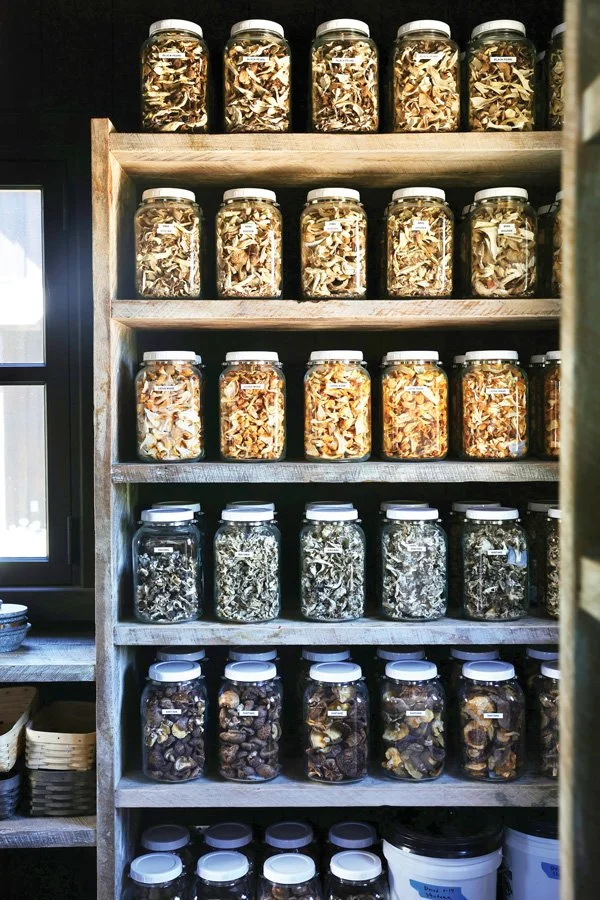
Extra produce from the farm is often transformed through fermentation, creating house-made ingredients that extend the life of the season while adding complexity to dishes. “What I love most is that fermentation reduces waste while creating entirely new layers of flavor—acidity, umami, funk, brightness—that elevate a dish without overpowering,” Kim says. “It also reflects patience and craftsmanship, which I think fits beautifully within a farm-to-table philosophy.”
“When ecosystems thrive, everything else benefits too.”
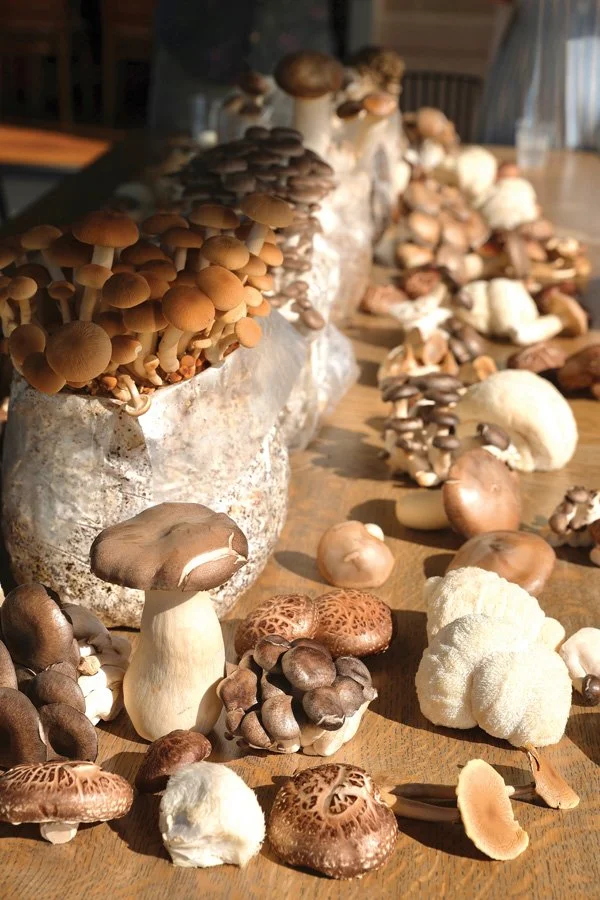
Experimentation is another cornerstone of the farm. Lobdell, King, and the rest of the team are constantly trying new techniques and plantings, including a “syntropic food forest,” where trees, shrubs, crops, and ground cover grow together to simulate a natural ecosystem. The farm’s ambitious mushroom program, led by King, includes growing some seven varieties, such as king trumpet, maitake, lion’s mane, and shiitake—the latter maturing on logs in the shade of an avocado orchard. “A lot of what we grow feeds directly into chef Daniel’s Asian-influenced cuisine, but we also have the freedom to follow our curiosities and interests,” King says. “That balance—working hard yet having fun with it—is at the heart of what we do.”
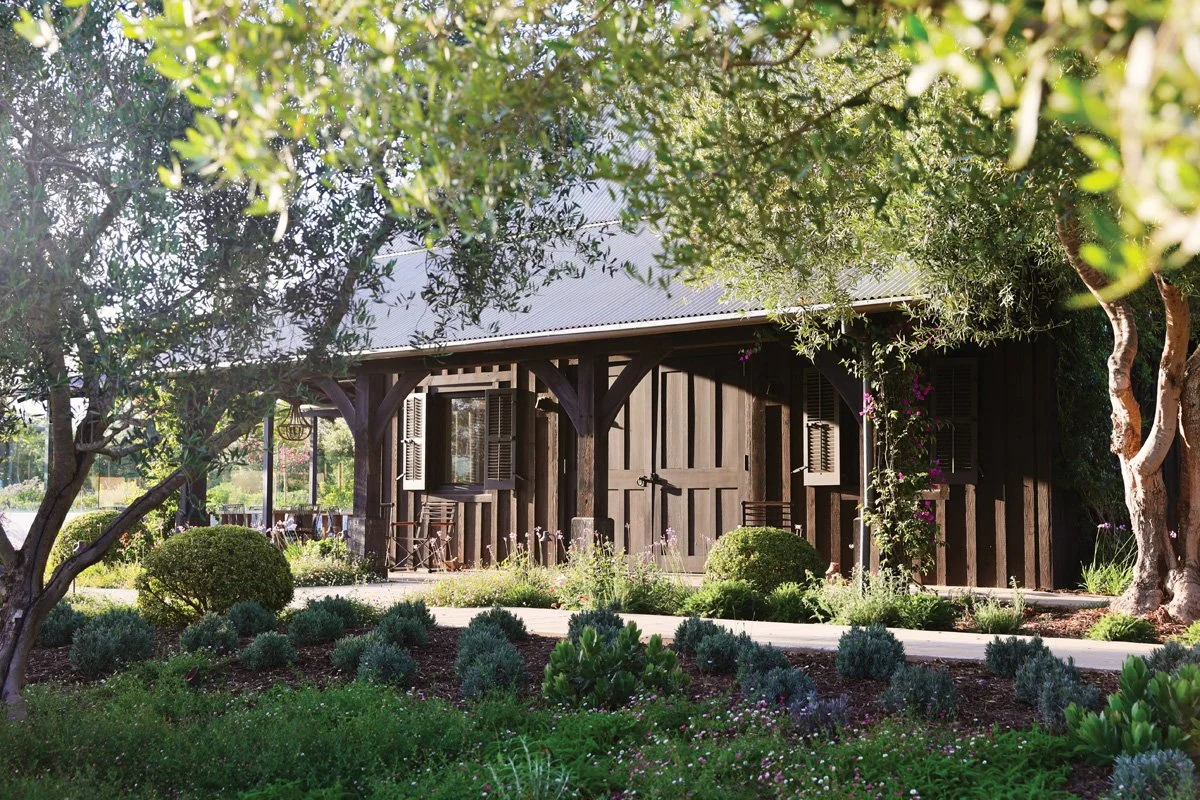
The renovated farmhouse serves as a hospitality space.
Today the lush rows of crops, fruit trees, and thriving biodiversity make it nearly impossible to imagine this place as once-desolate pastureland. But beyond its beauty, Rincon Hill Farm reflects a broader evolution in food culture—one in which farming with a respect for the land is becoming just as important as what makes it onto the plate. “Our goal extends beyond growing produce for our restaurants,” Sohn says. “It’s about nourishing the land as much as growing quality ingredients, because when ecosystems thrive, everything else benefits too.”