The Narrator
Jessie Homer French sees beauty in the ruin
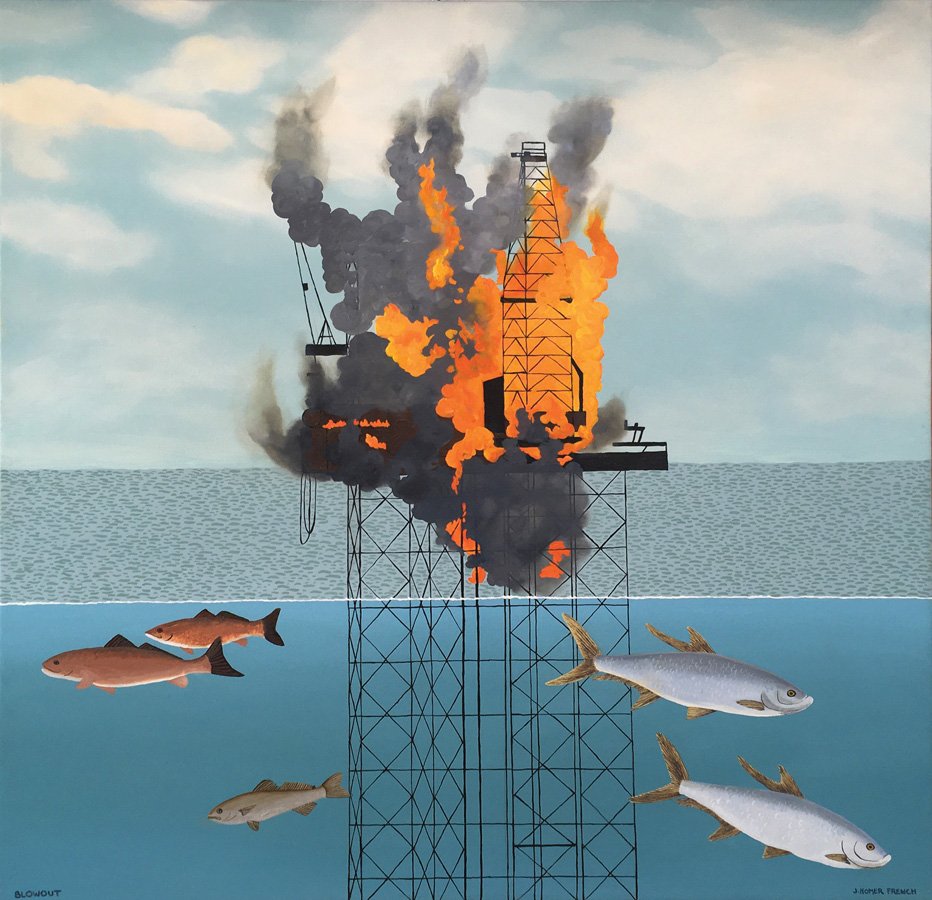
Blowout, 2020, oil on canvas, 36 x 36 inches. Collection of Beth Rudin DeWoody. Courtesy of the artist, Massimo De Carlo Gallery, and Various Small Fires gallery.
Written by John Connelly
Photographs by Sam Frost
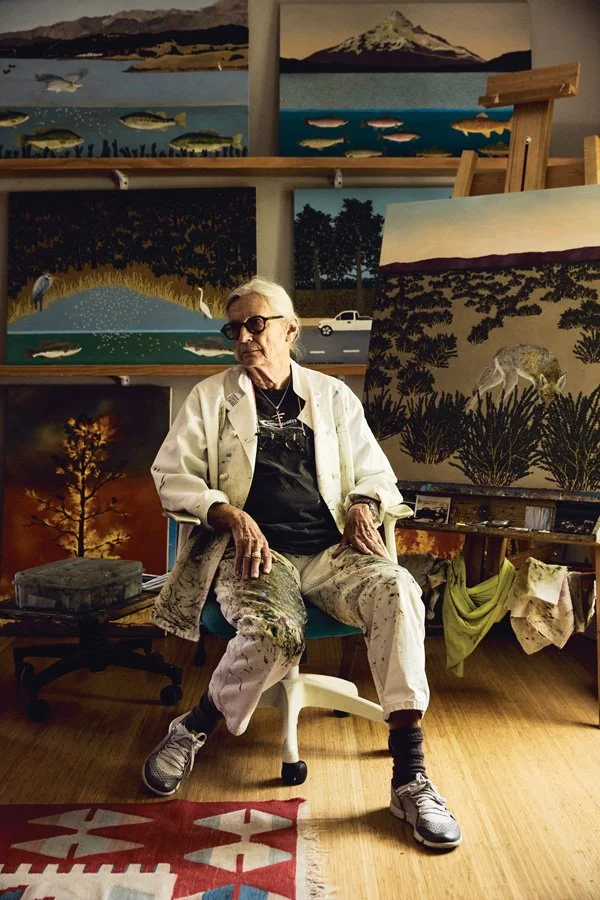
Jessie Homer French seated in her Ojai studio with her easel, paints, and works in various stages of progress.
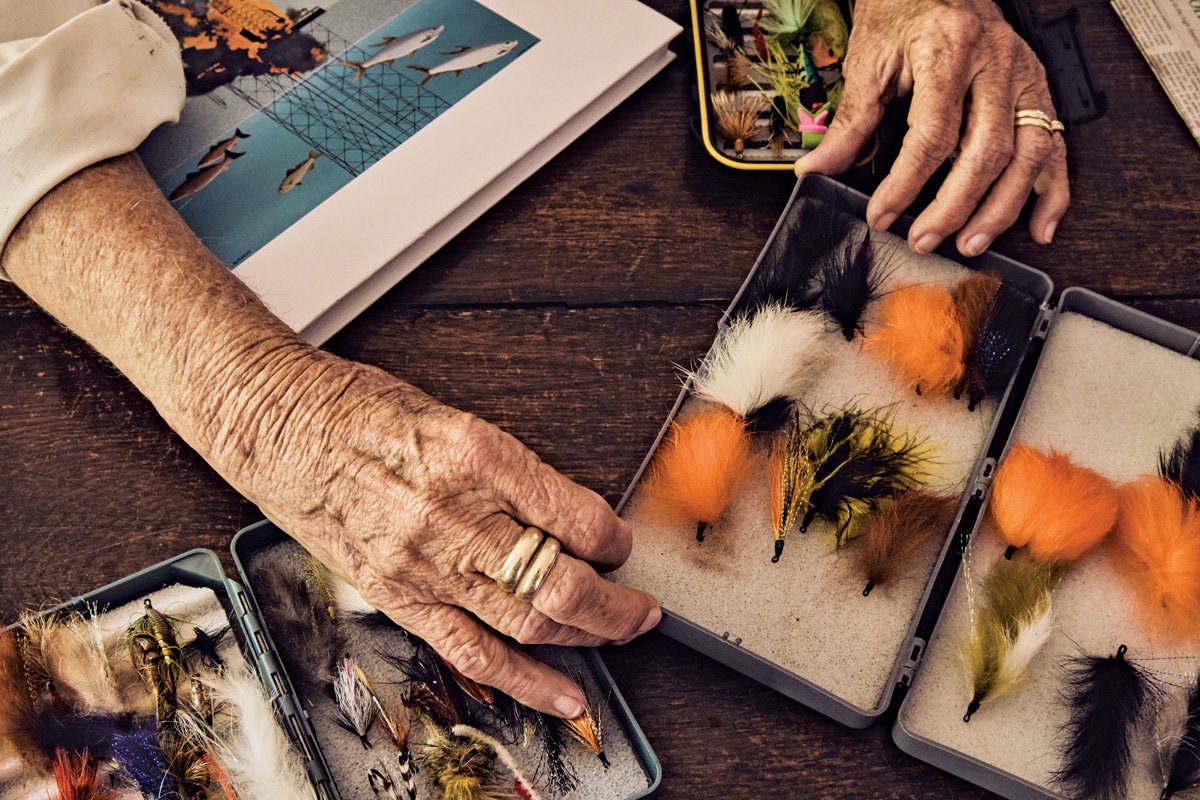
Jessie Homer French is a fiercely spirited 86-year-old visual artist who paints landscapes celebrating natural wonder while pointing to the spoils of human intervention. She usually includes a system of layers revealing both the seen and unseen—what one finds beneath the surface. Fire, wildlife, stealth bombers, wind farms, cemeteries, and symbols of nuclear power feature prominently in the work. Fish, in particular, hold a fascination for the artist, who caught her first smallmouth bass with her bare hands at age 3. An avid fly-fisher, she used to make her own colorful, otherworldly lures, which she proudly showed off during a visit to her new home in the Ojai Valley.
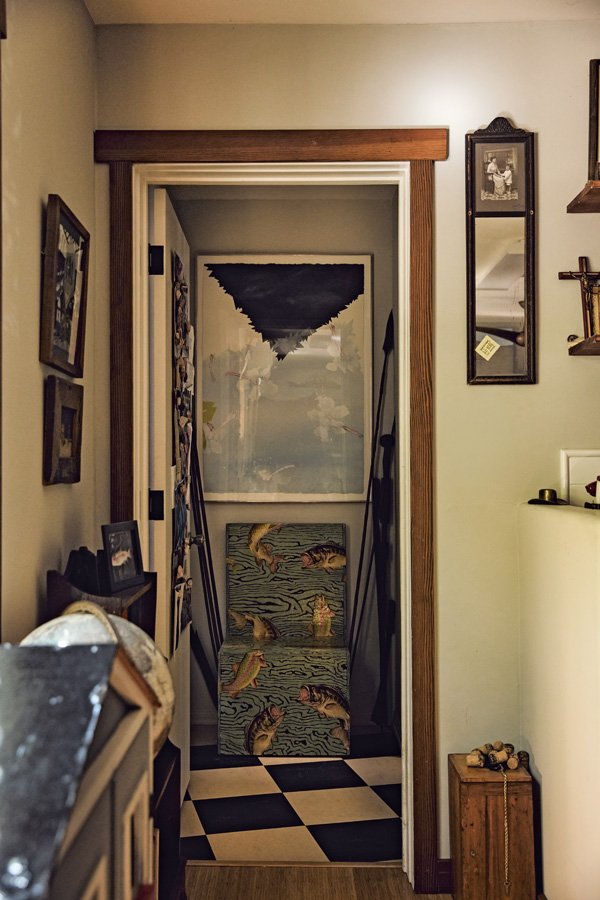
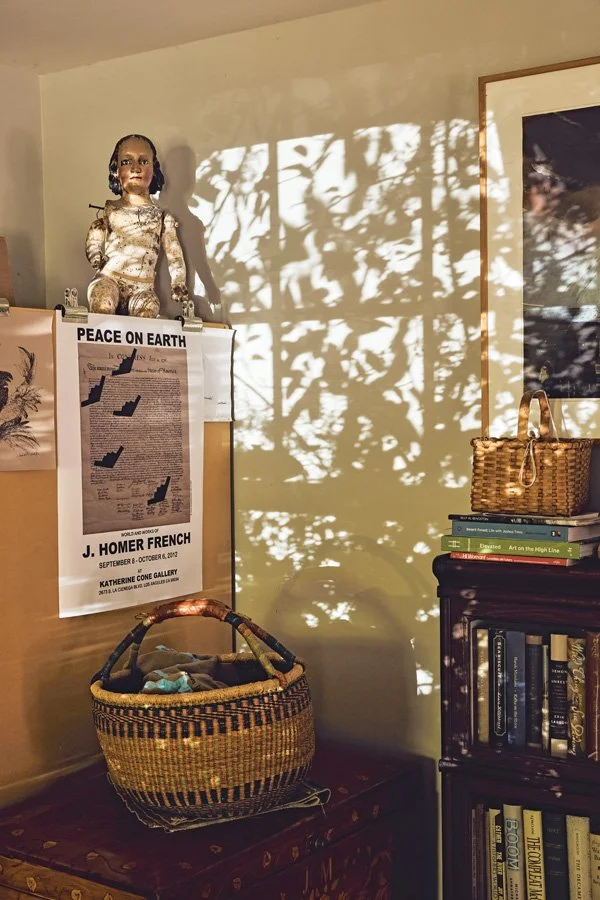
Her cheerful studio, which she calls her “granny suite,” is filled with colorful, idiosyncratic collectibles and polychromatic objects, including vintage furniture she painted in the 1970s. Homer French loves to paint her immediate surroundings, and her latest body of work features landscapes from Lake Casitas to the Los Alamos post office.
Born in New York City, Homer French moved with her parents to a rustic area of the Adirondacks at age 5. An only child, she was free to roam and explore the wilderness, which cemented her lifelong engagement and fascination with nature. By 18, she was back in the city, modeling professionally (she appeared in the first Sports Illustrated swimsuit issue) with plans to become a full-time artist. Her first marriage, to an actor, brought her to Los Angeles.
Following a divorce, she met her second husband, Robin French, a British talent agent and movie producer whose clients included Richard Burton, Elizabeth Taylor, and Marlon Brando. The couple bought a house in Coldwater Canyon in Beverly Hills and entertained Robin’s Hollywood clients and L.A.-based artists like Charles Arnoldi, Don Bachardy, Joe Goode, and Ed Ruscha.
This era ignited Homer French’s interest in fire, especially its beauty, its danger, its destructiveness, and its role in renewal. “I was hiking at a friend’s ranch in Coldwater Canyon in the early ’80s,” she says, “and I saw these controlled burns…and I thought it was really, really beautiful. And then I started painting fire paintings after that.”
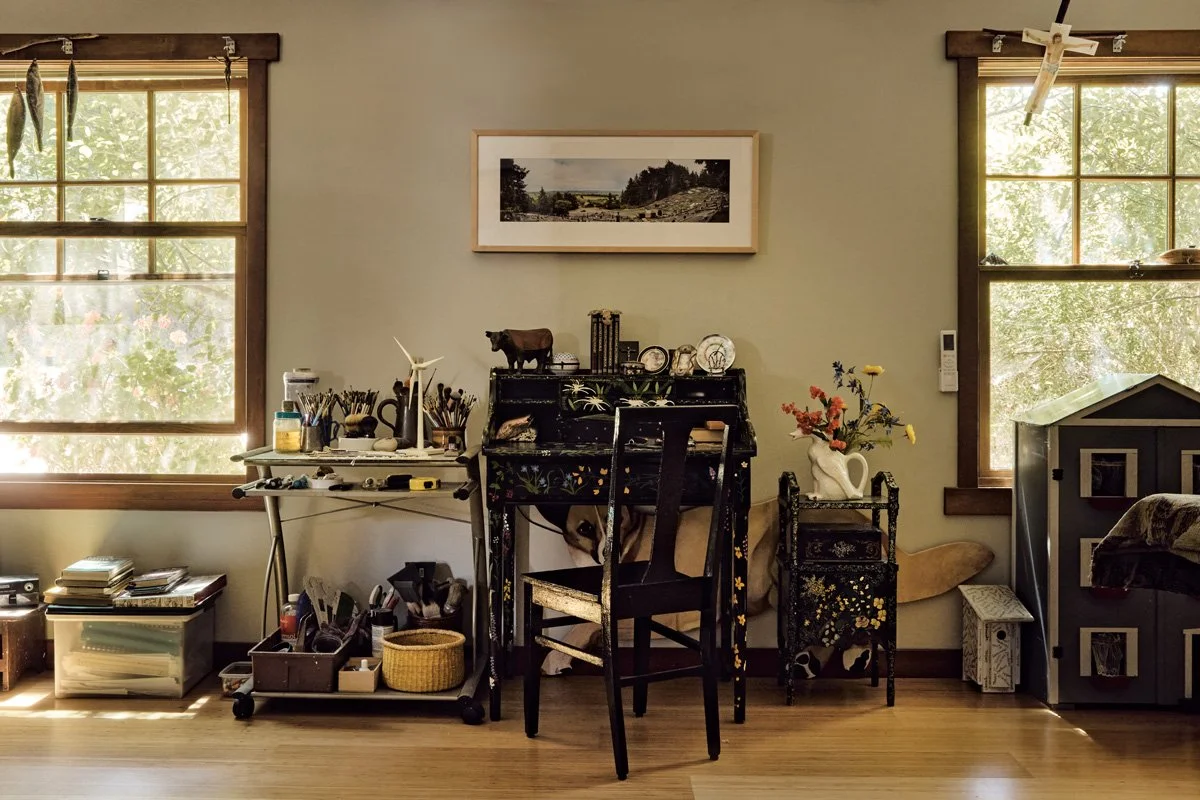
A vintage desk set that Homer French painted in the ’70s, with an artist cart and dollhouse nearby.
Homer French is self-taught, and she credits a friend, painter and sculptor Billy Al Bengston, for giving her a copy of Ralph Mayer’s The Artist’s Handbook of Materials and Techniques, which she learned from and still refers to today. Her informal training has paid off in a style that is both bright and optimistic while remaining thoroughly ambiguous in its subversiveness. “I don’t like heavy-handed political stuff,” she has said. “I come at it sideways.”
Although her work, at first glance, can appear naive or folkish, she can also be seen in the context of a long line of successful, sophisticated female artists with limited formal training, such as Leonora Carrington and Frida Kahlo. Asked about her influences, she cites both American primitives (Grandma Moses and Horace Pippin come to mind) and books. “I have lots and lots and lots of art books,” she says.
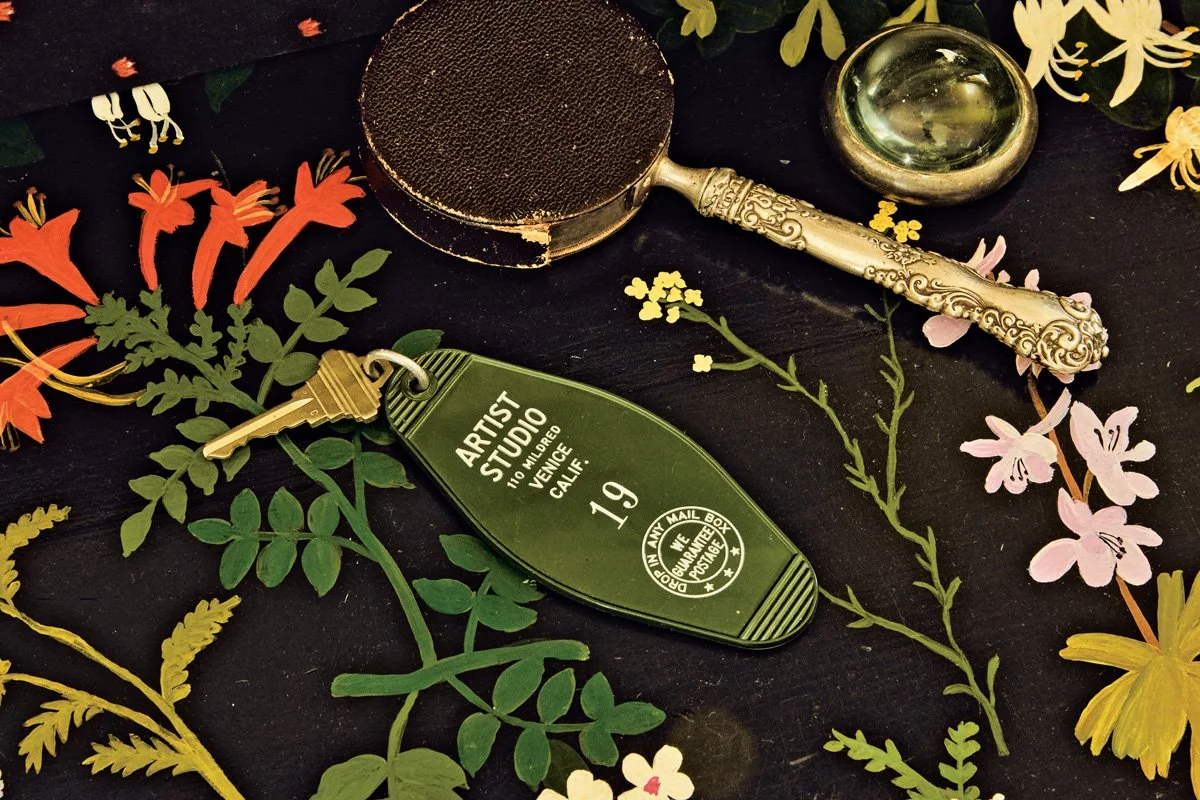
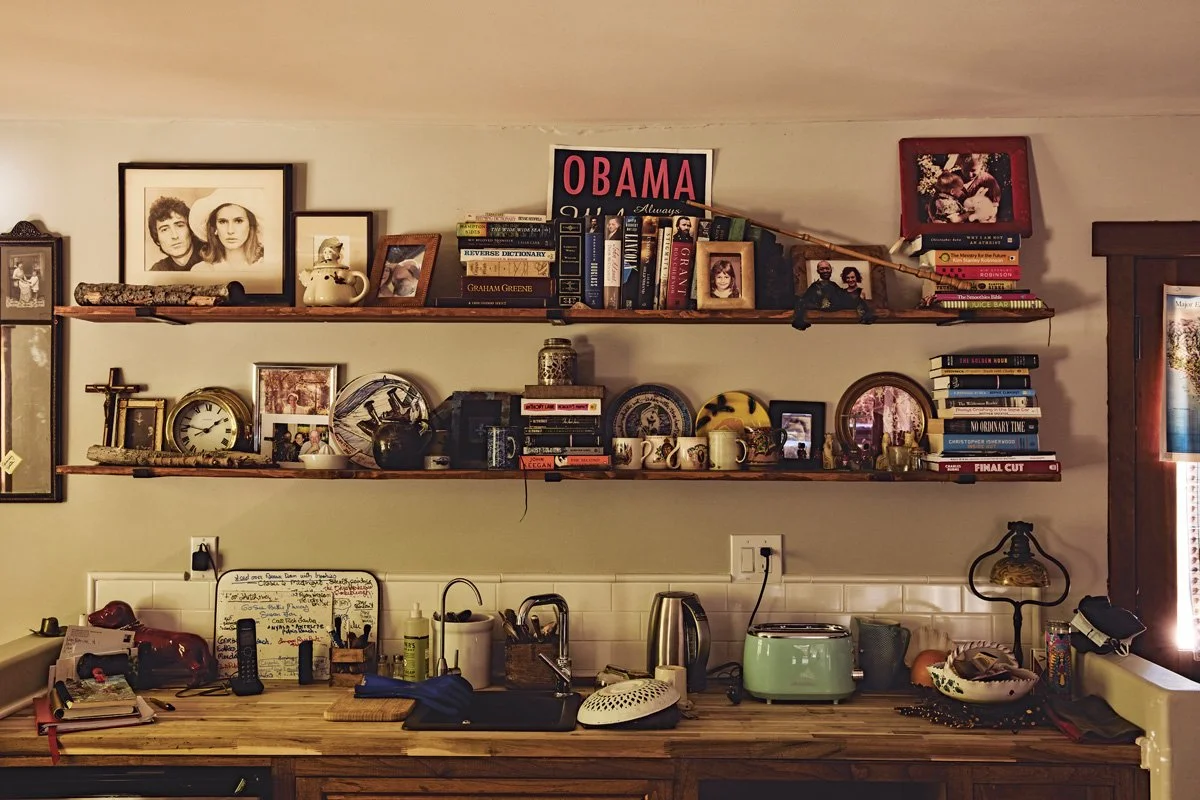
The longevity of her artworks is an ongoing concern for Homer French. “I used to use paints and stuff, and not use them correctly, and not do it right. So they wouldn’t last forever. But now I think my paintings will last a long time. I dry everything right, and I let everything dry for six months. I use the right stuff [a professional-grade mineral-based varnish].” In her new home, this process requires going the extra mile. “I discovered when I moved here, because of the dampness, I have to close up my granny suite, turn on the heat to 80, and go stay somewhere else for two nights.”
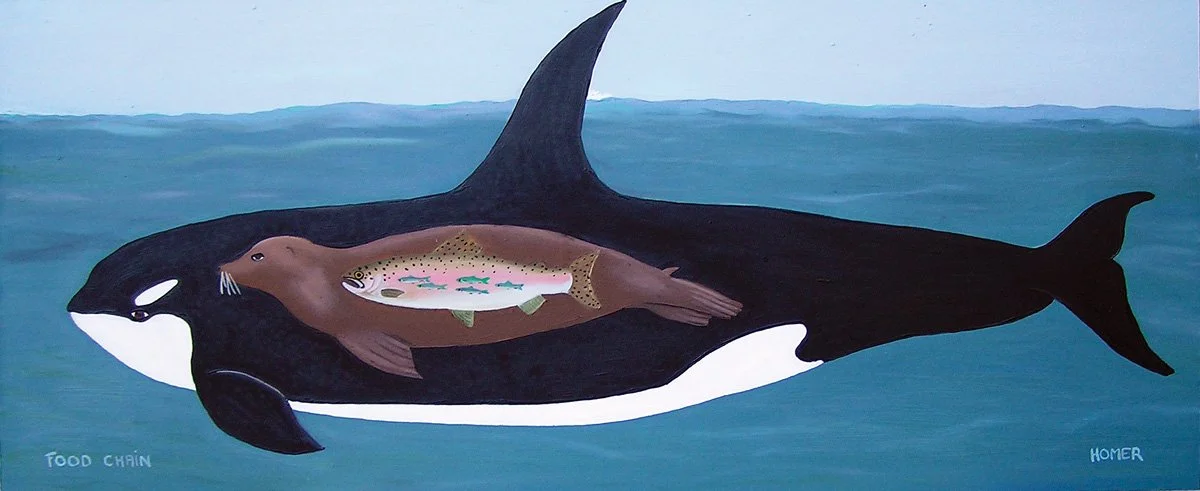
Food Chain is a depiction of the natural predator-prey relationship often portrayed her work
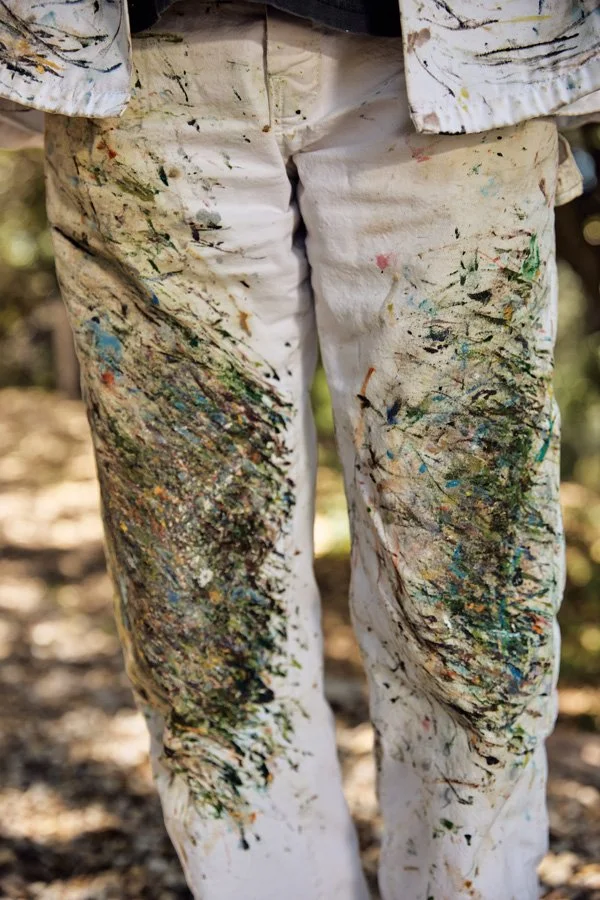
When her husband retired, the couple moved to Vancouver Island, then later to the California desert. After his death, she relocated to Ojai to be near her family. Dressed in her paint-caked white Dickies, she proudly shows off her hands adorned with many rings. “I wear these because years ago I read that gold rings prevent arthritis.”
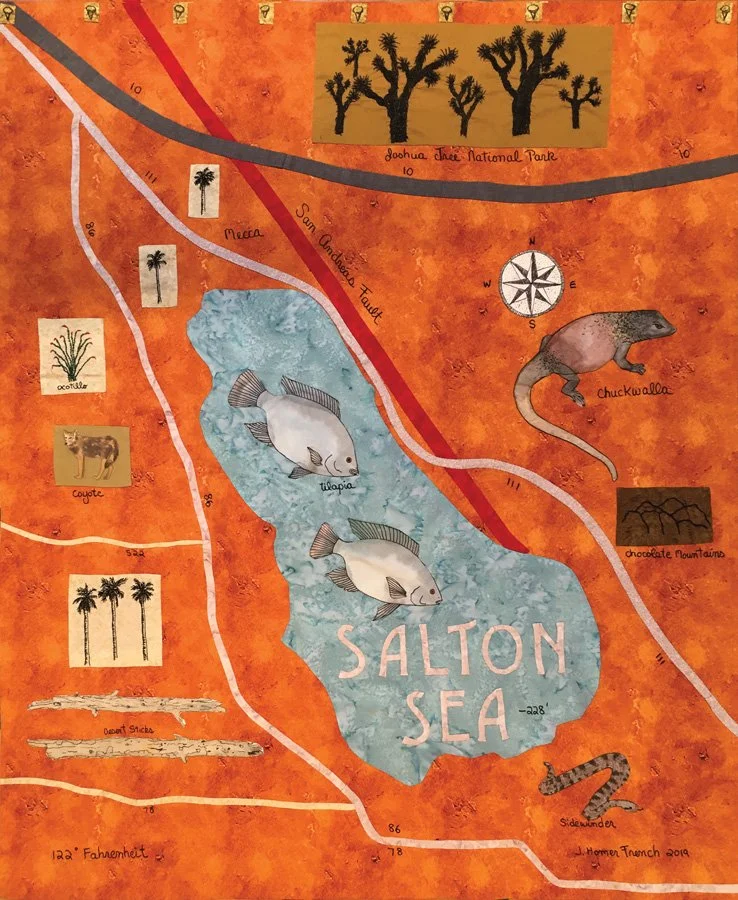
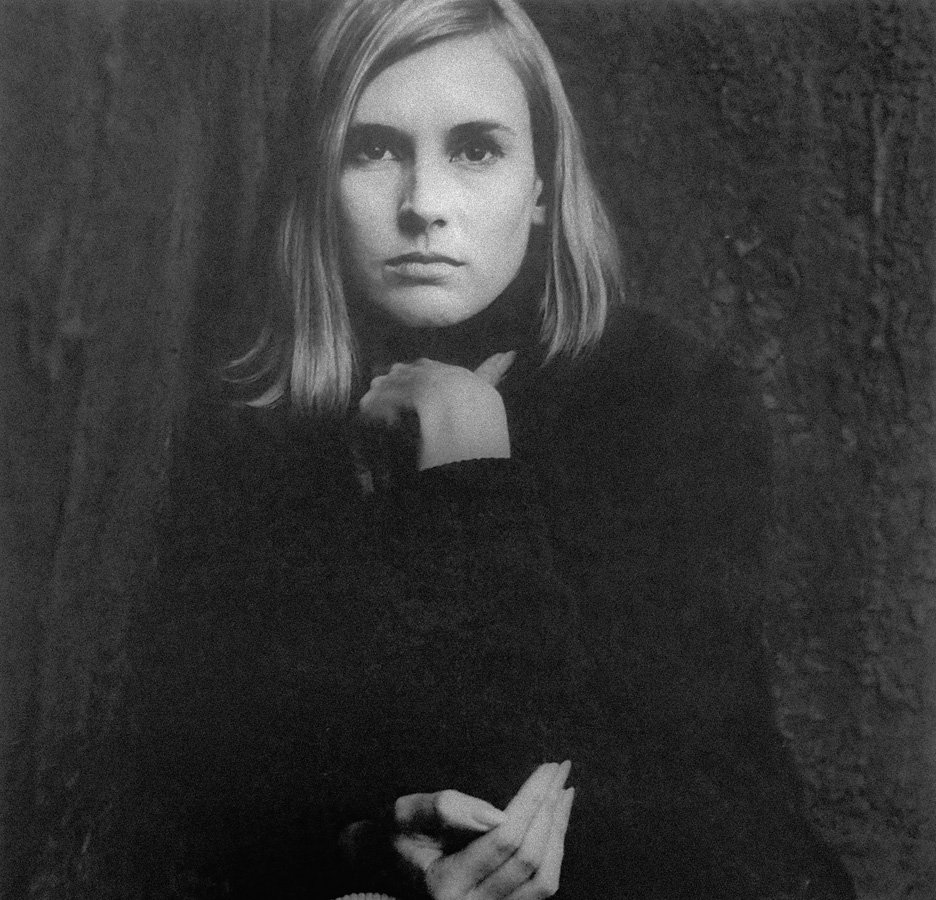
Homer French, who describes herself as “a regional narrative painter,” creates paintings with an artistic maturity that can be incisive yet touching. Her cemetery scenes often depict the carefully and freshly adorned dead below ground, happy and content in their coffins. Her series of rural post offices was inspired by attempts to defund and privatize the U.S. Postal Service. “I use the Postal Service,” she says. “I go there every week. Right? Mail stuff. So I love post offices. I think they’re beautiful. You could go and visit them all over America, and they’re really special.”
Still, she might be best known for her burning landscapes and symbolic structures, including oil derricks. Her works are timely and respond to her immediate landscape and the current political and social climate. Asked how she feels about the possibility of Santa Barbara’s oil derricks coming back online, her response is succinct: “Not good. I remember when the oil rigs were built. I remember being on the beach and seeing them coming. It looked like a sci-fi movie with these creatures coming toward you.”