
Home Is Where the Film Is
SBIFF settles into its new location
Written by By Josef Woodard
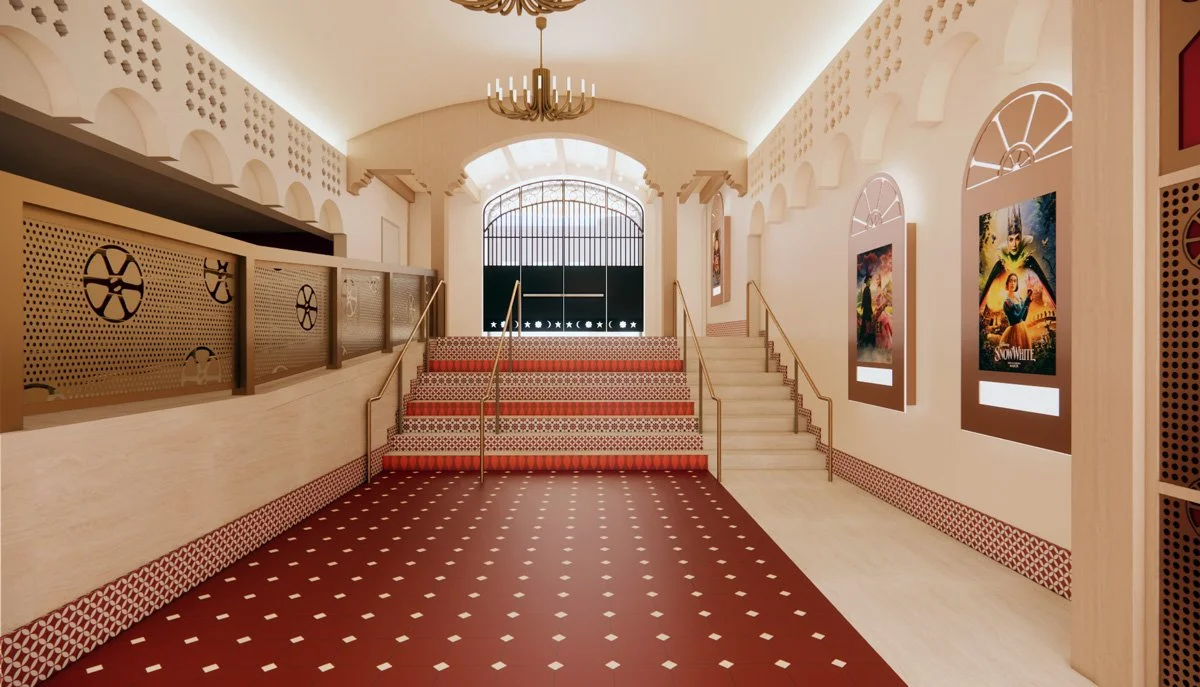
For the 2026 edition of the Santa Barbara International Film Festival, most roads led to 916 State Street, home of the newly and proudly renovated and rebranded McHurley Film Center. And it opened just in the nick of time, with a much-buzzed-about ribbon cutting just two days before the festival’s opening night.
While the Arlington Theatre continues to be the home base for celebrity tributes, film industry panels, and other events, and the Riviera Theatre had its own magnetism on its scenic perch on the Riviera, the Film Center became the centerpiece real estate for a steady flow of screenings over 10 days and nights. For the record, “McHurley” is the portmanteau moniker of generous patron Nora McNeely Hurley and her husband Michael, who are behind the philanthropic Manitou Fund.
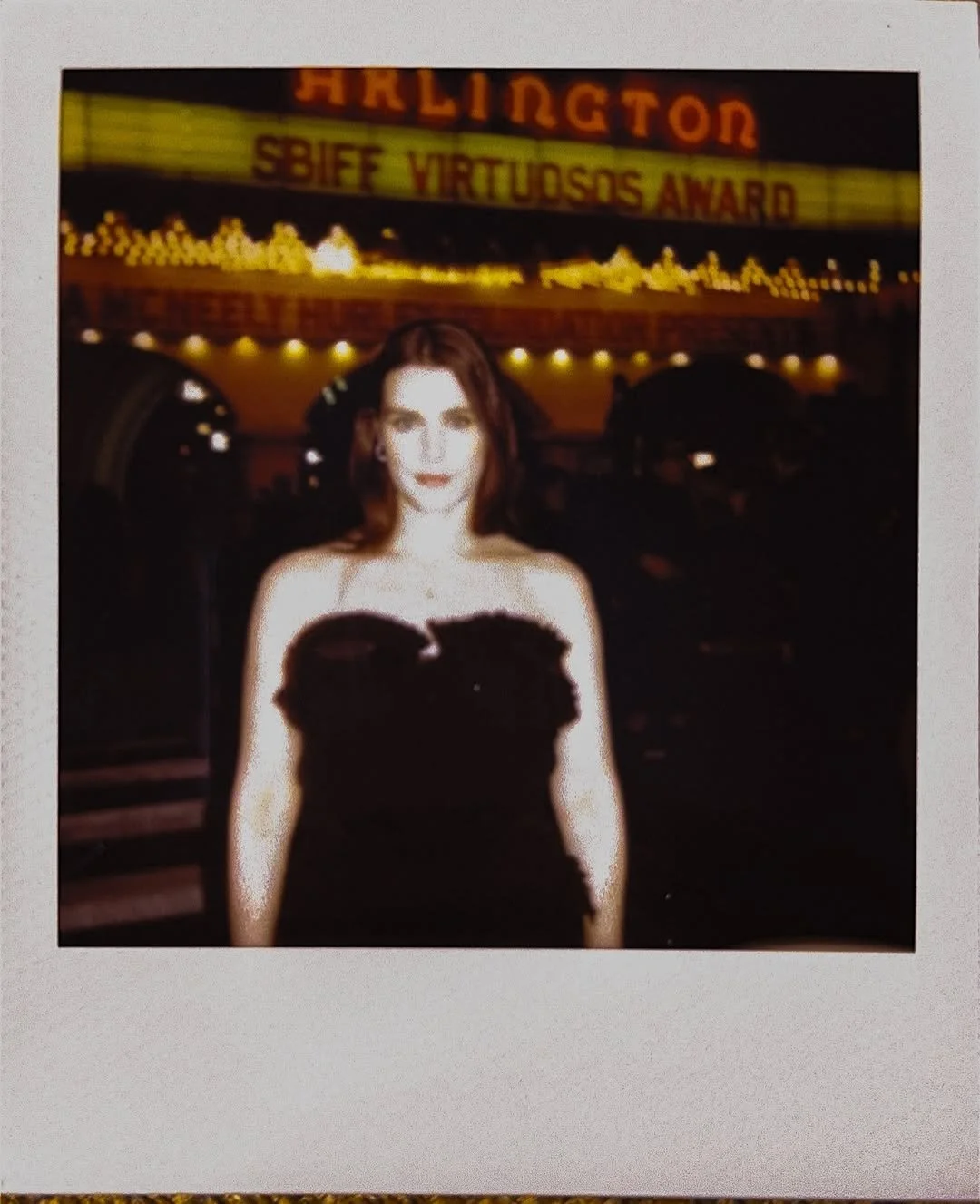
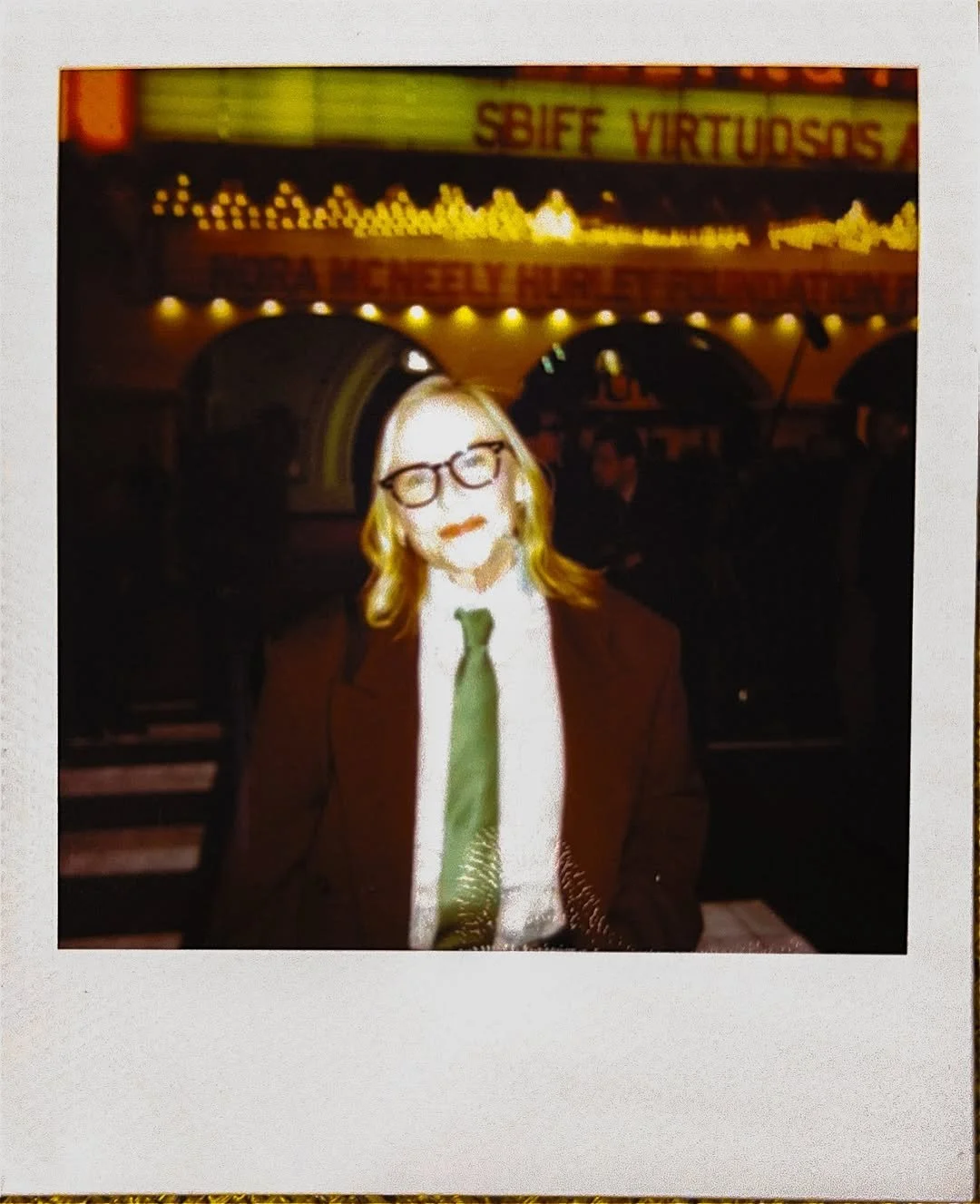
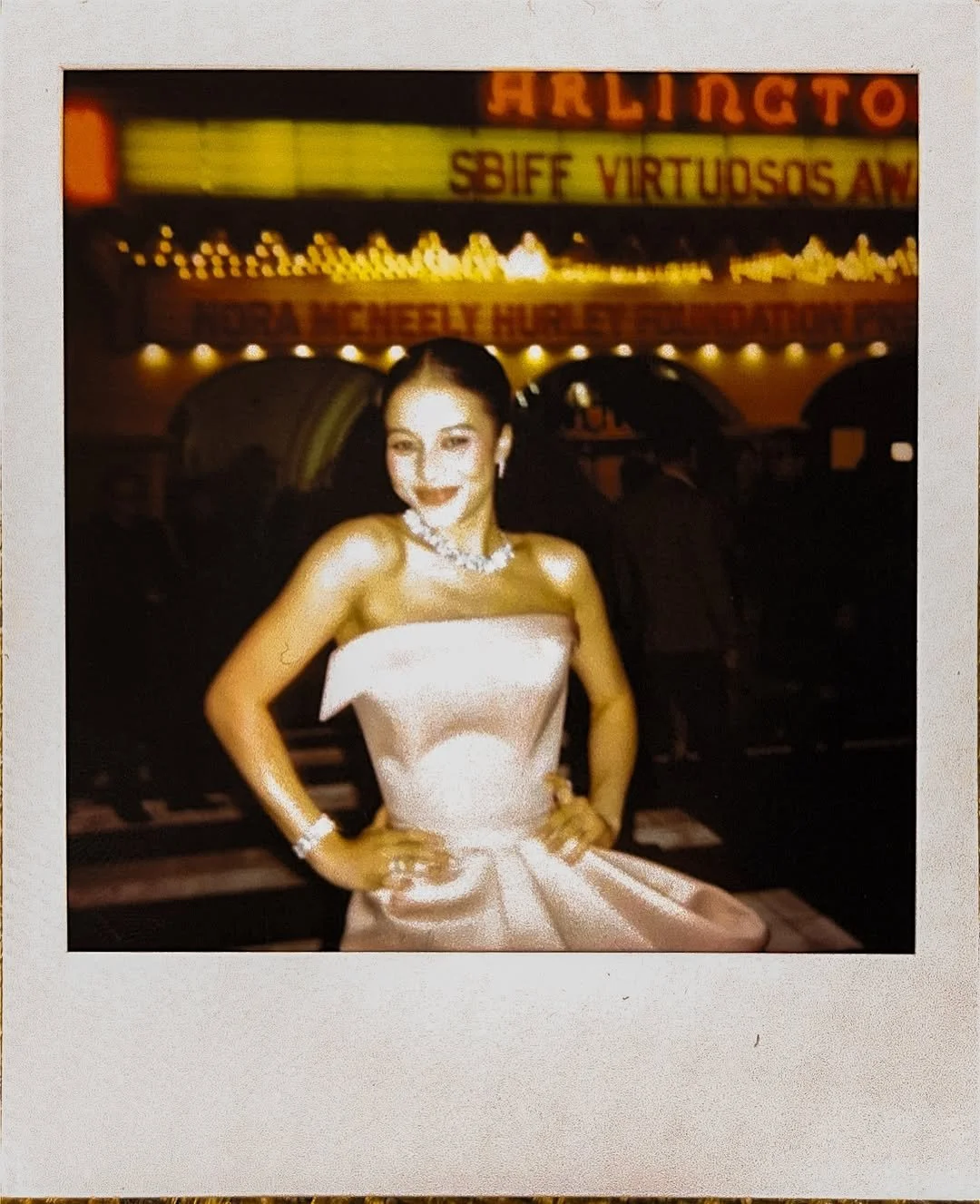
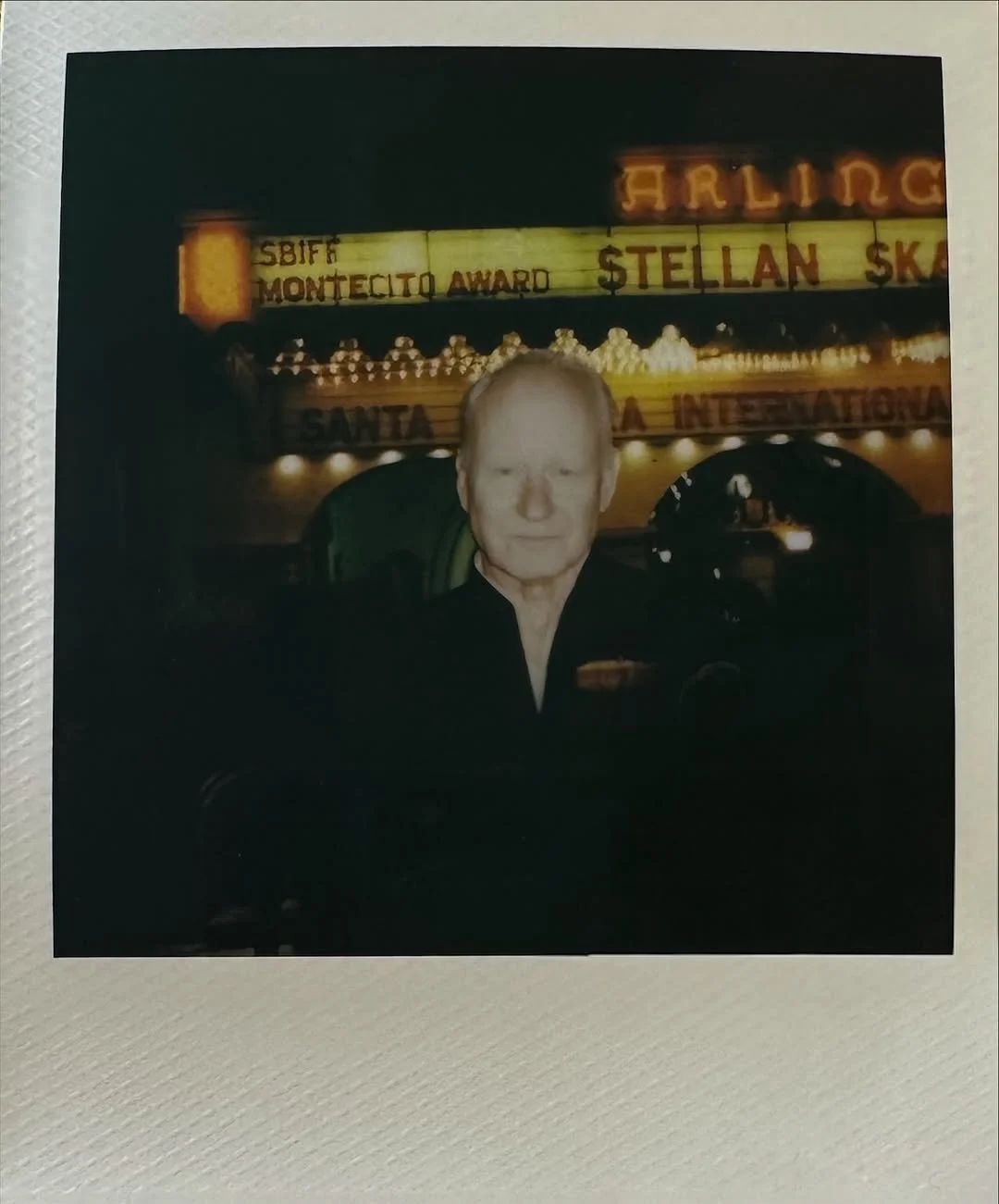
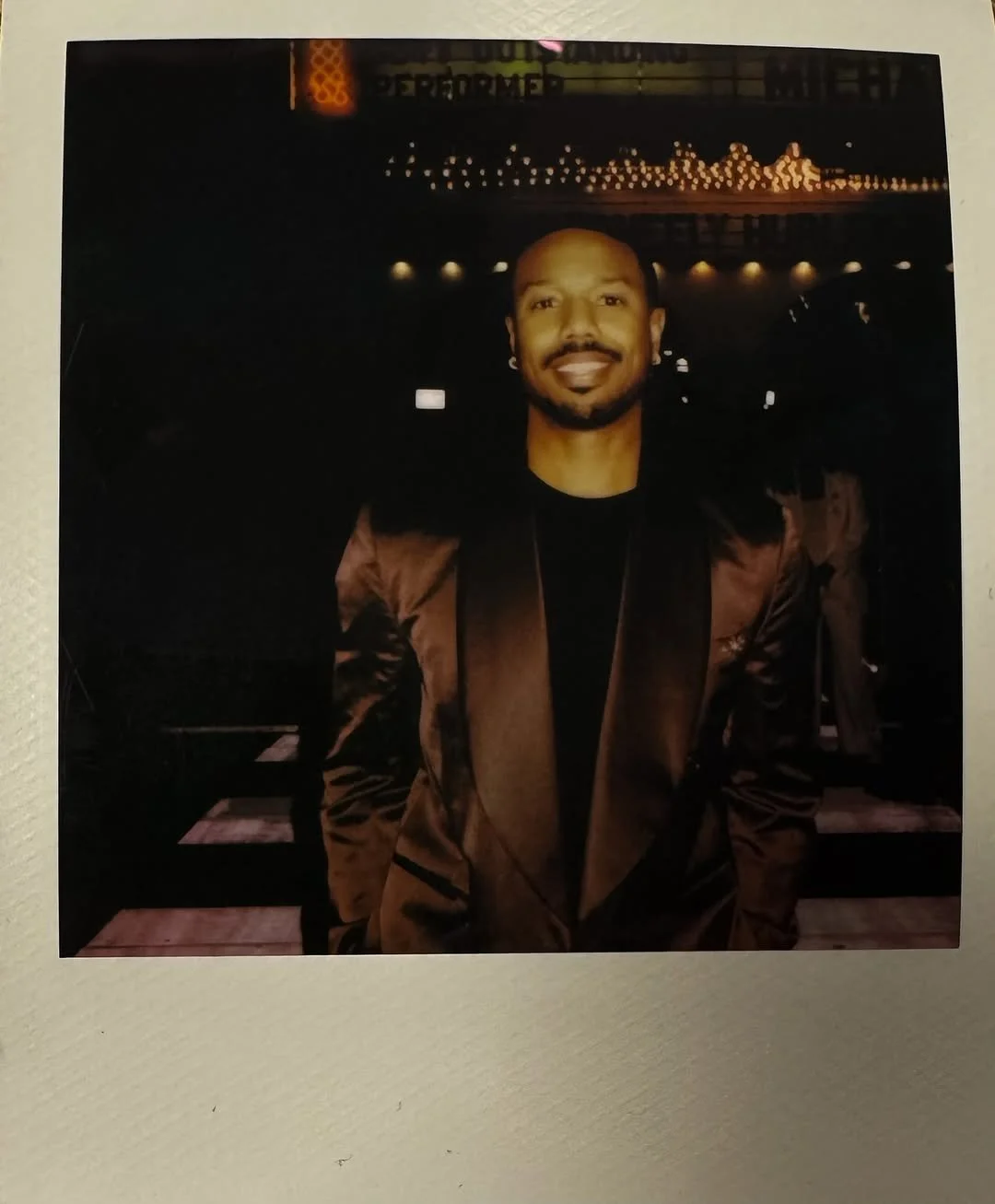
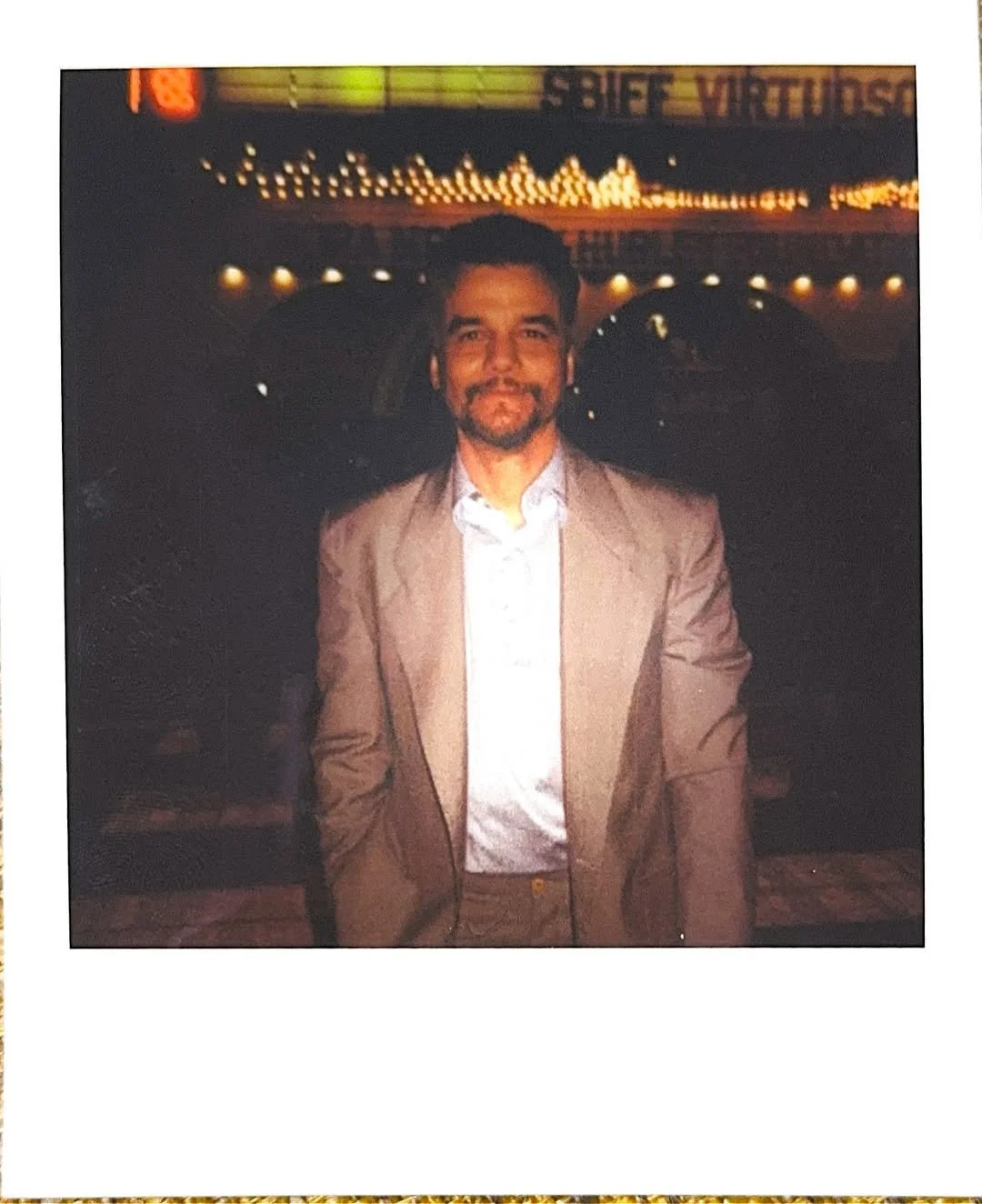
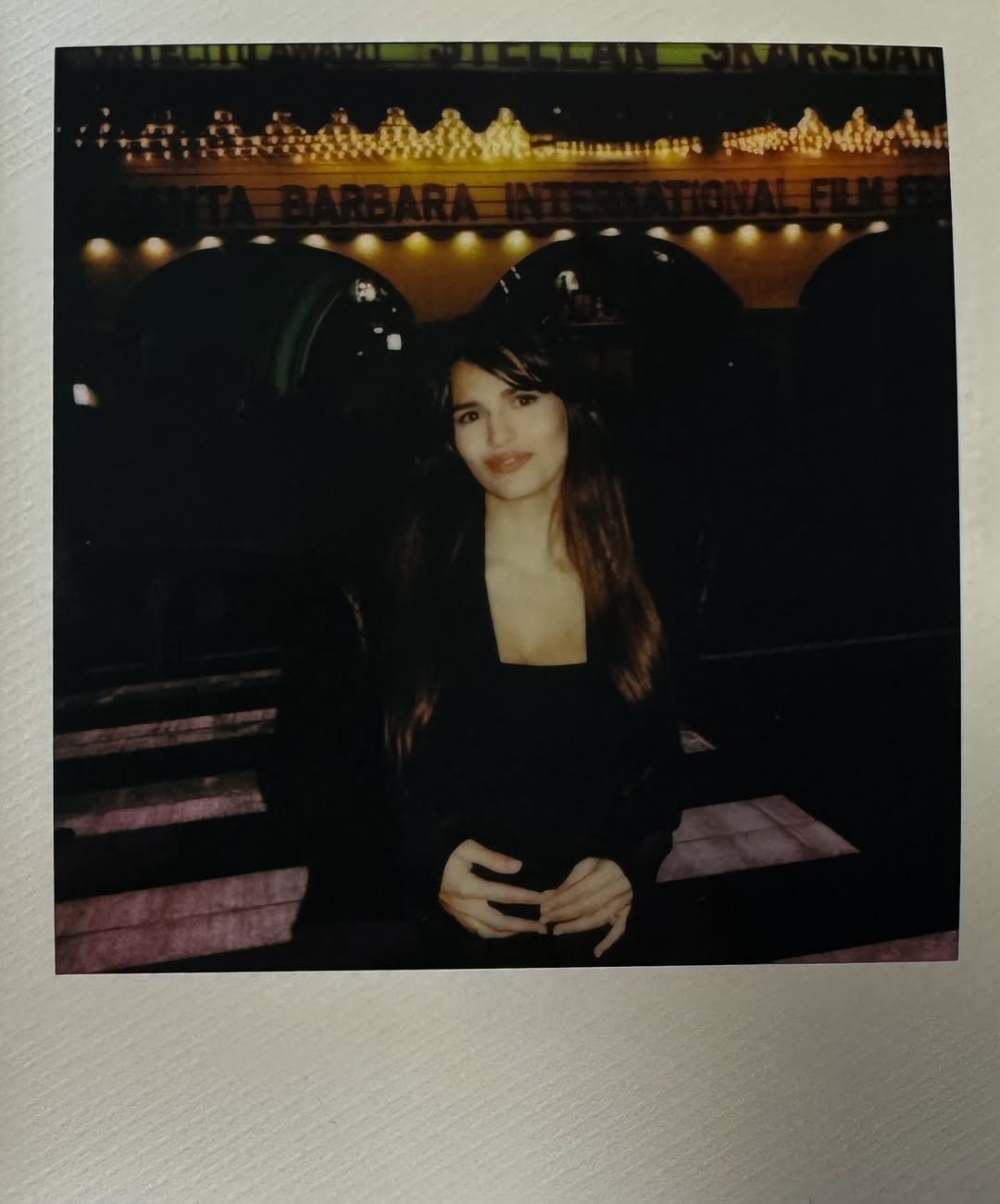
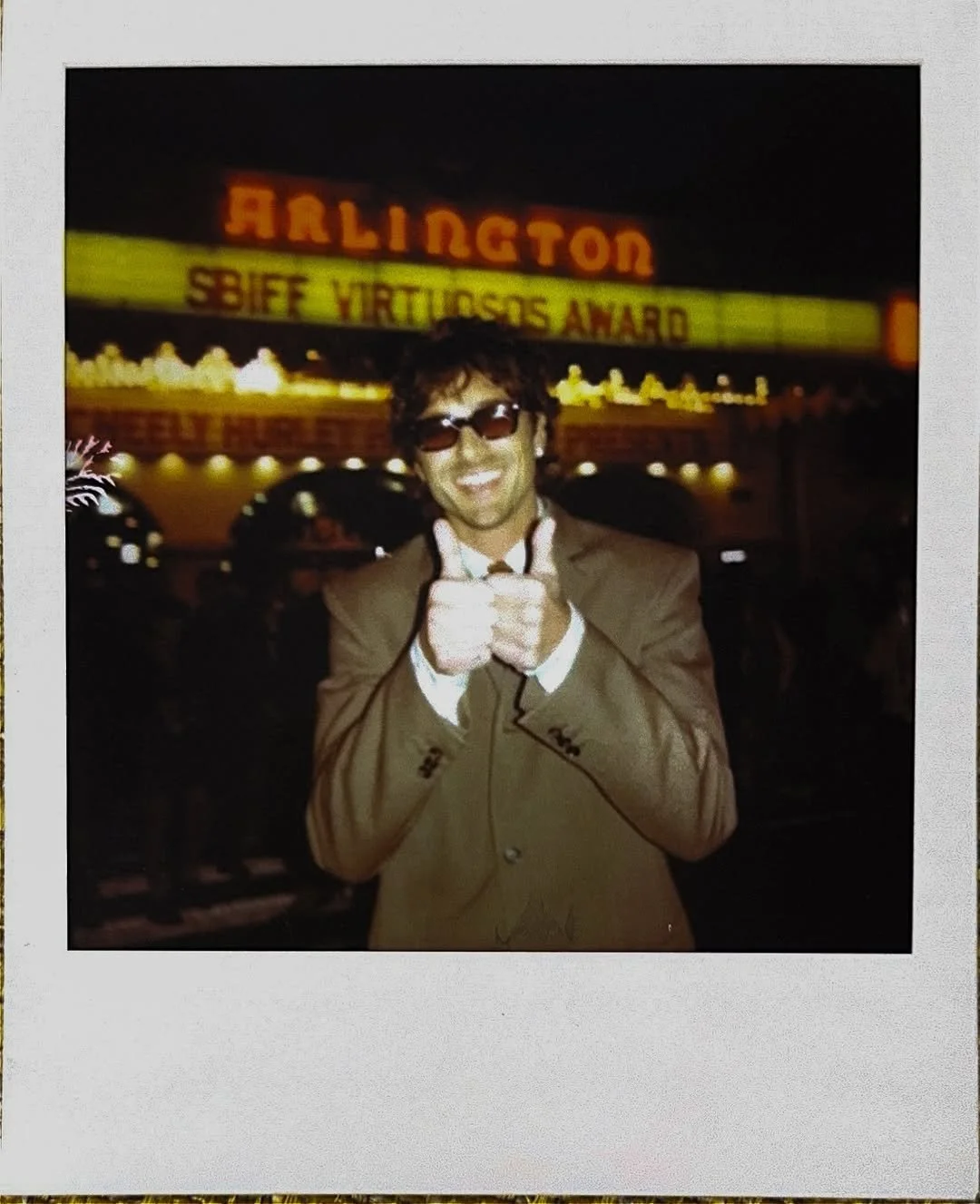
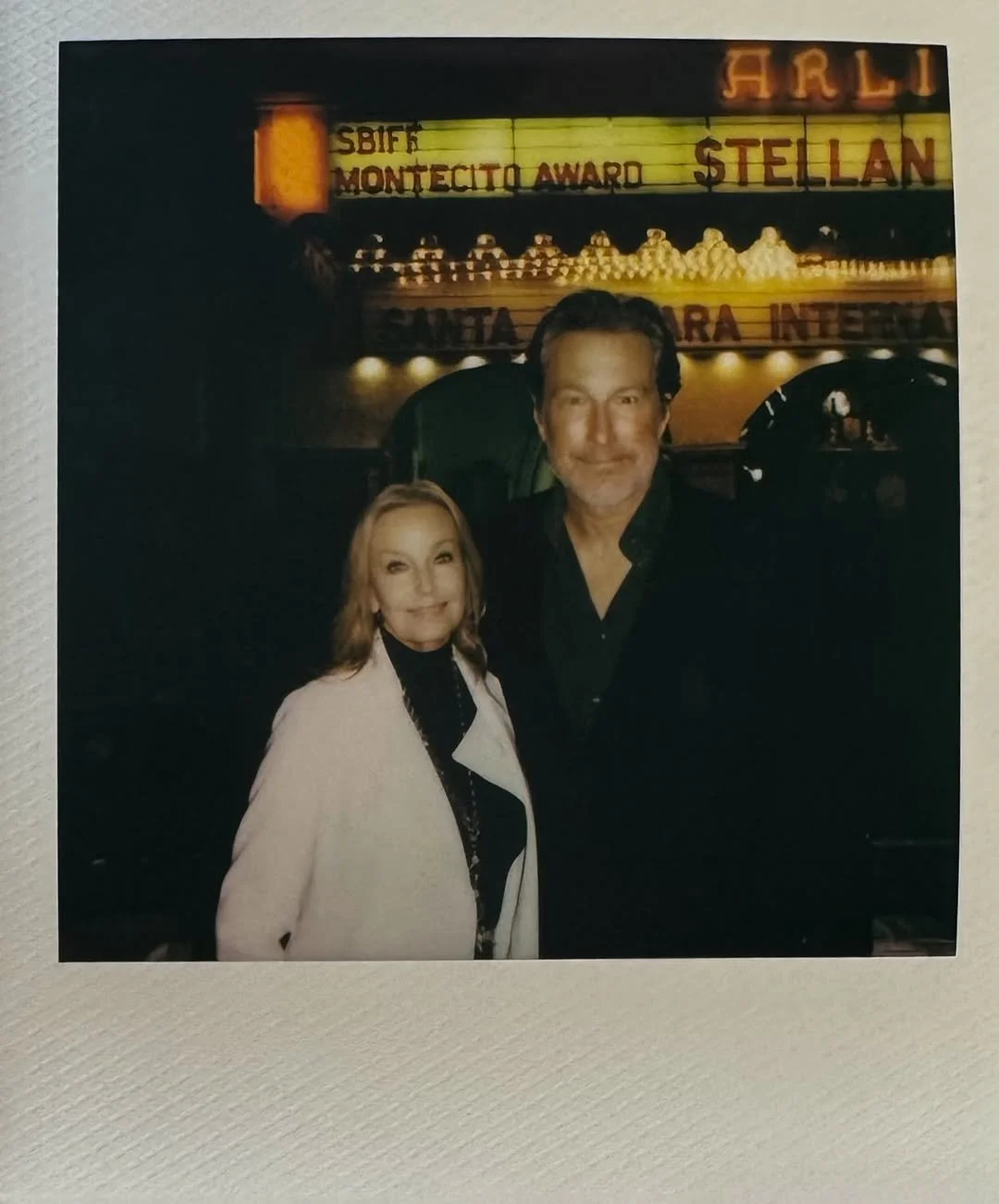
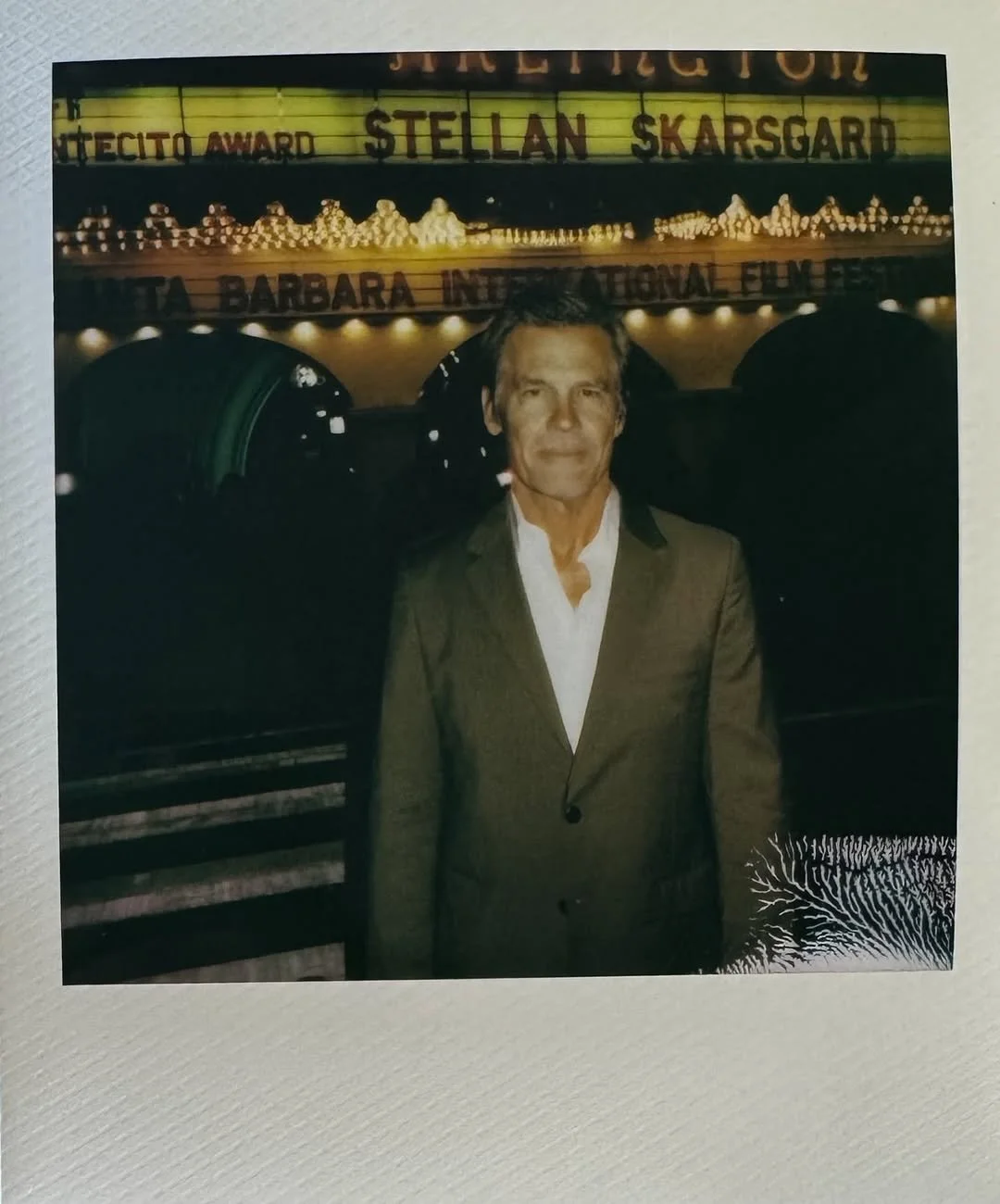
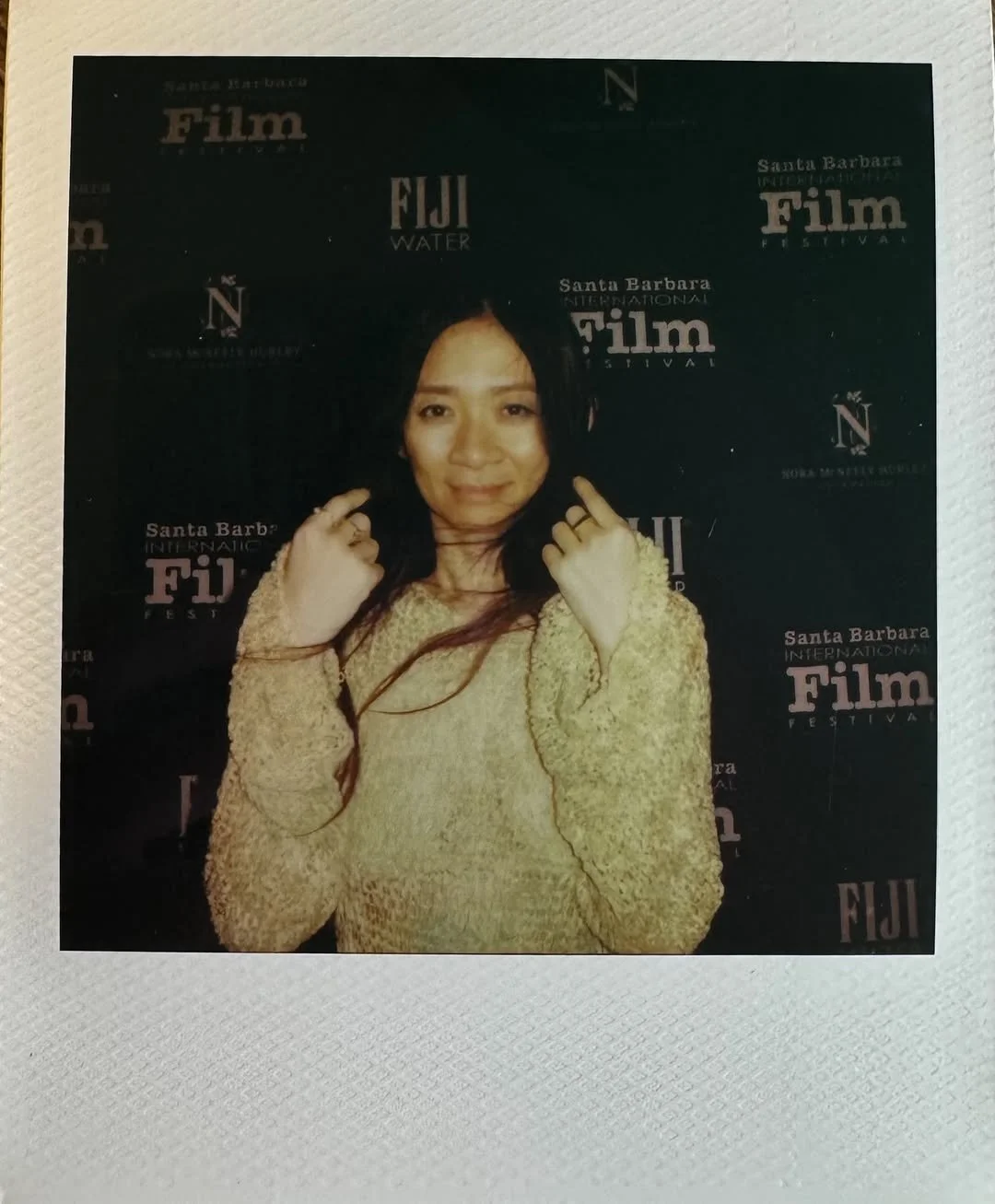
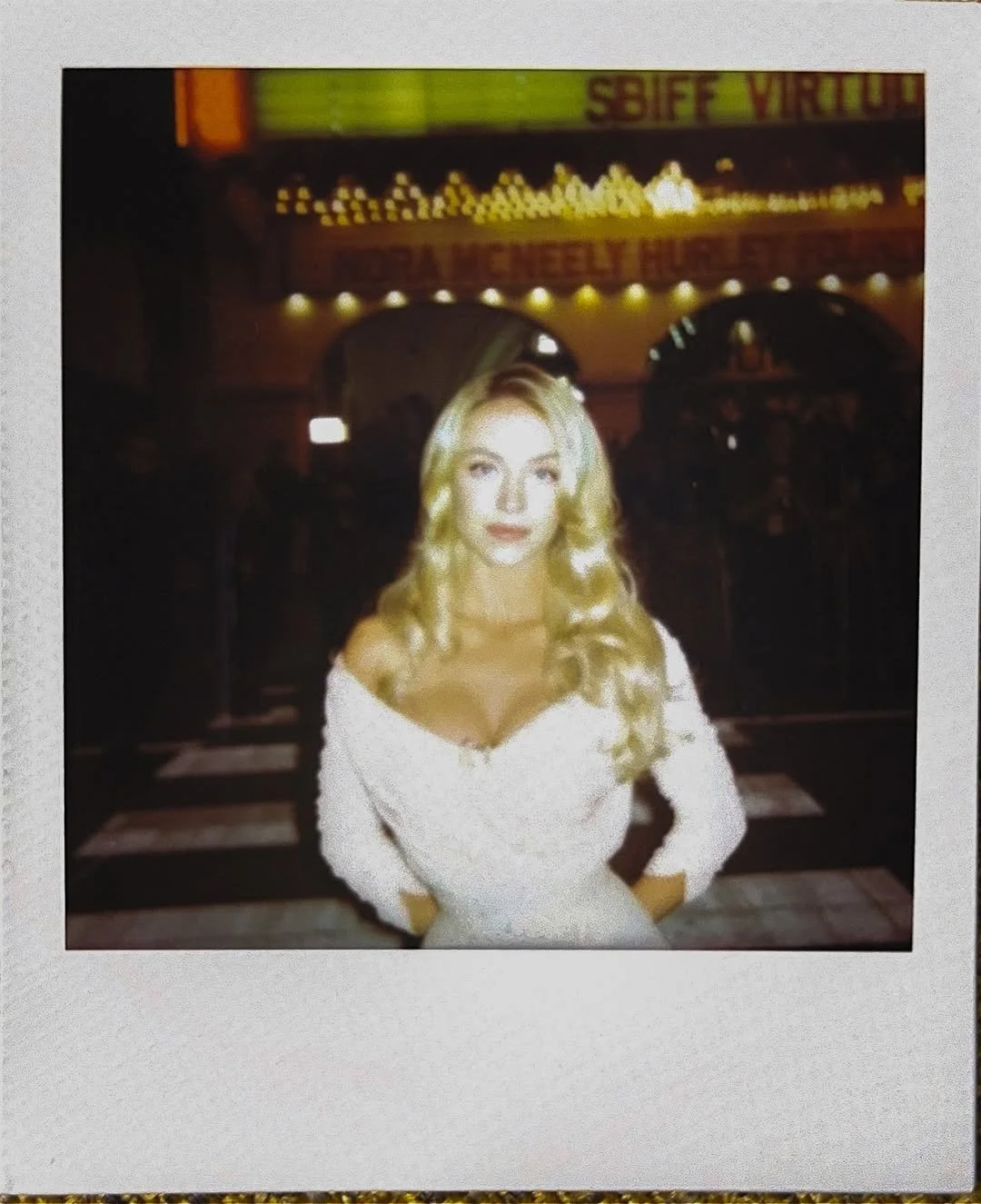
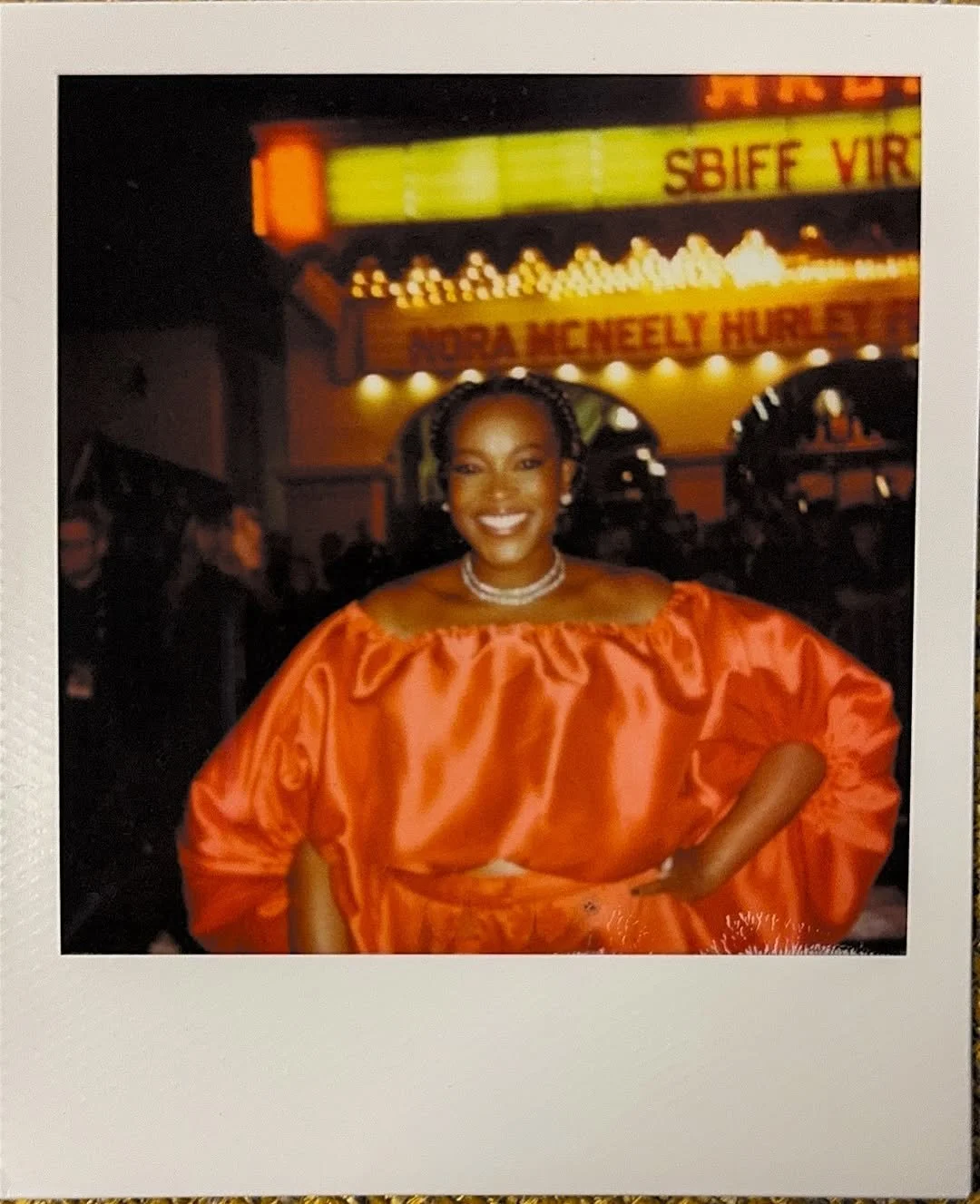
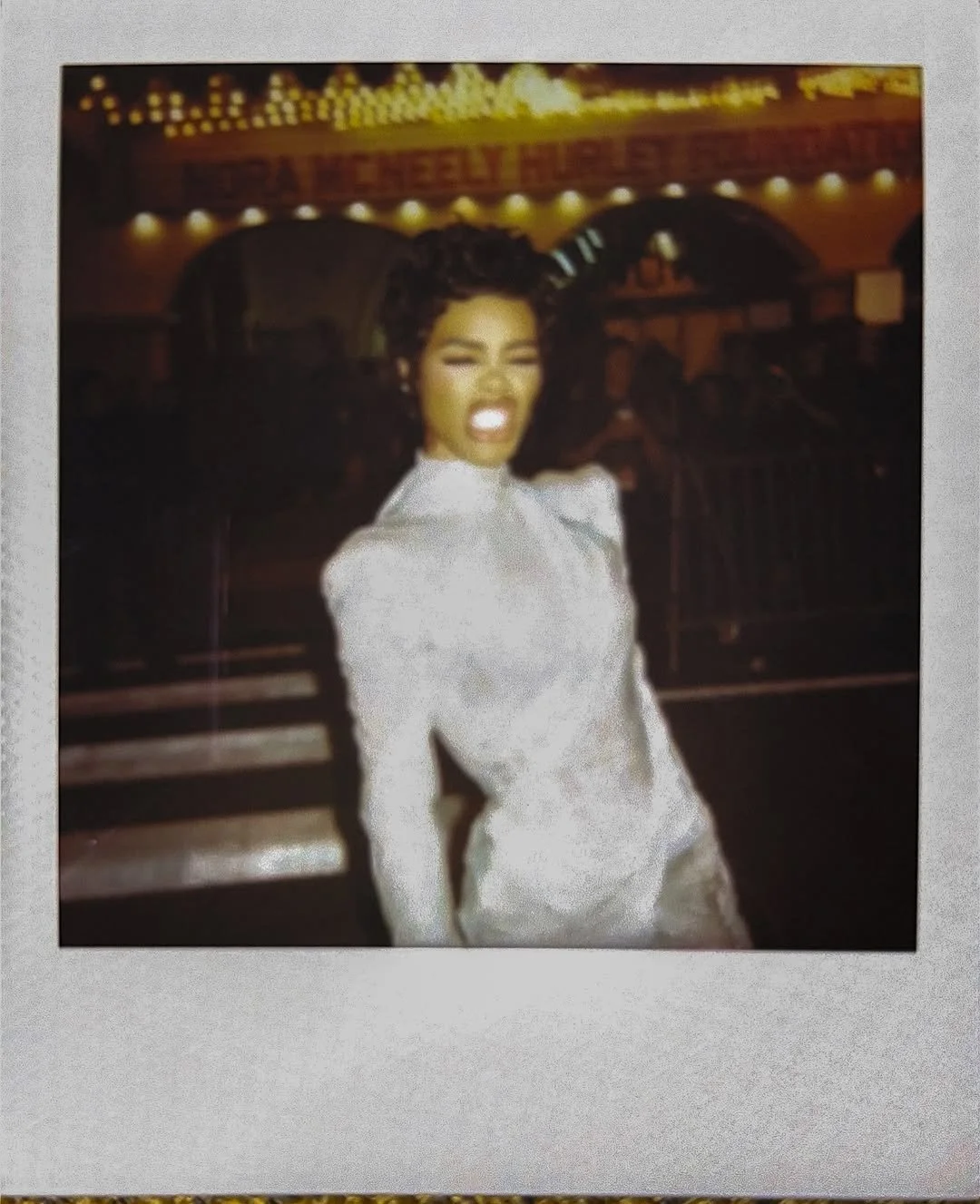
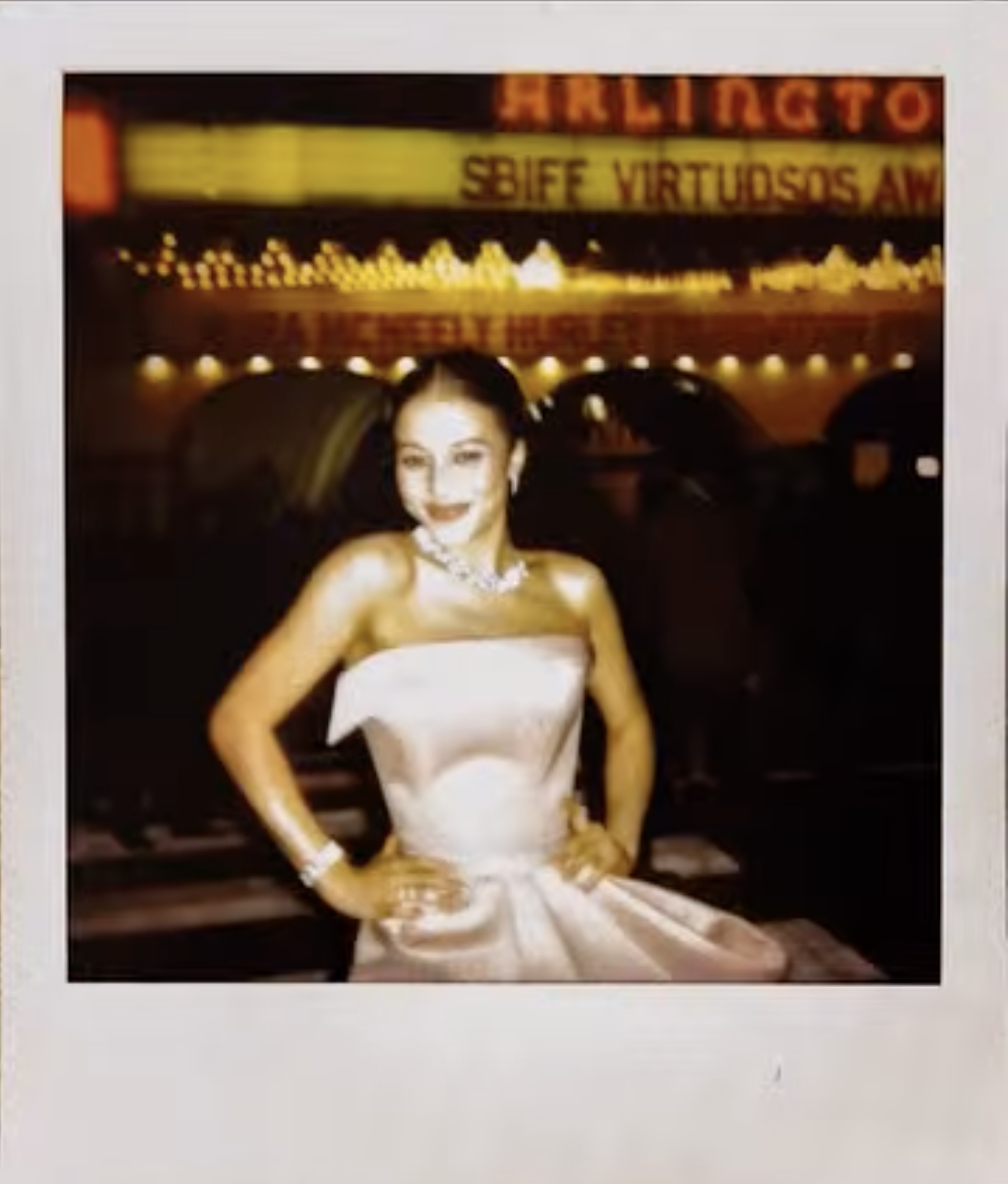
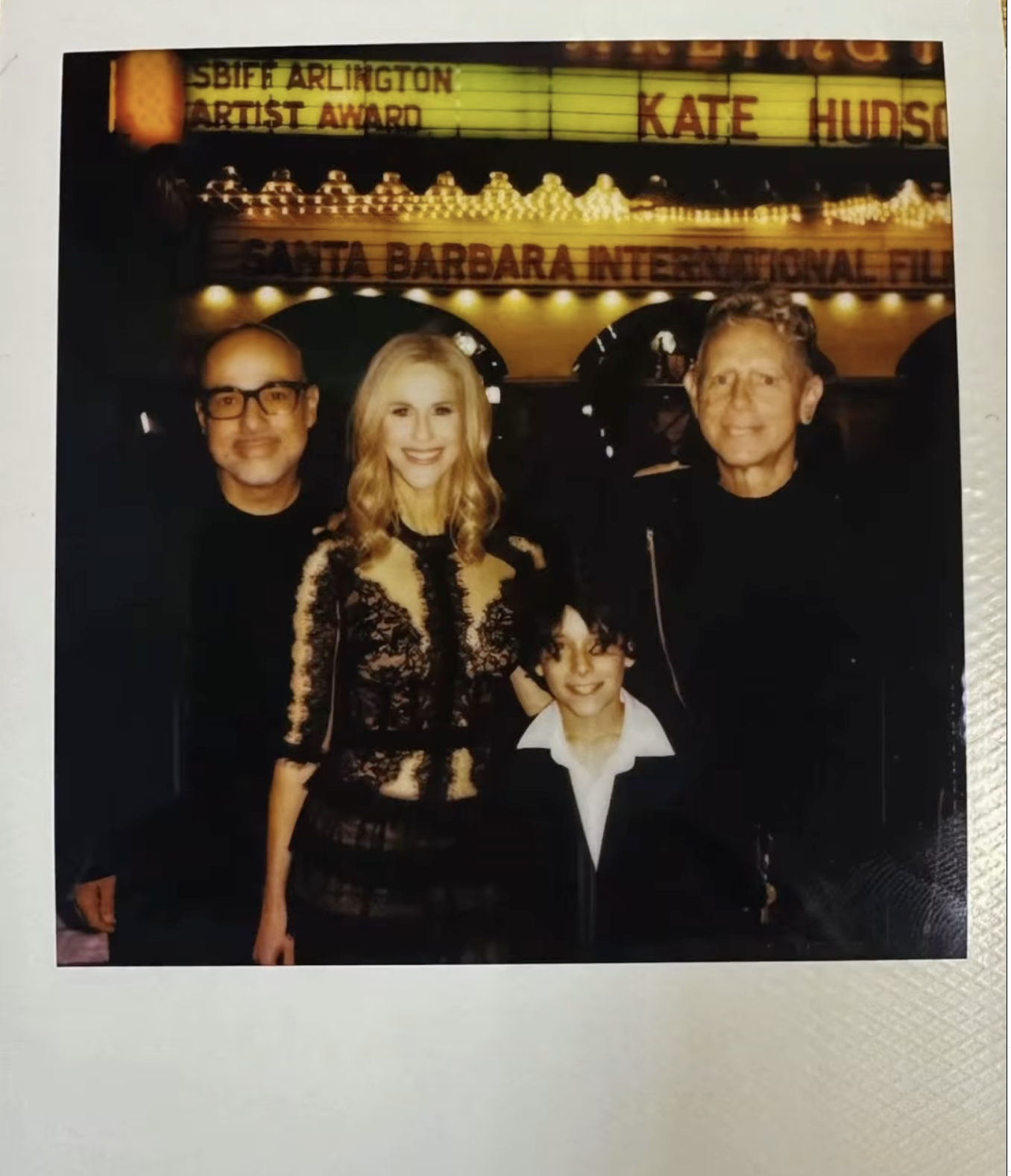
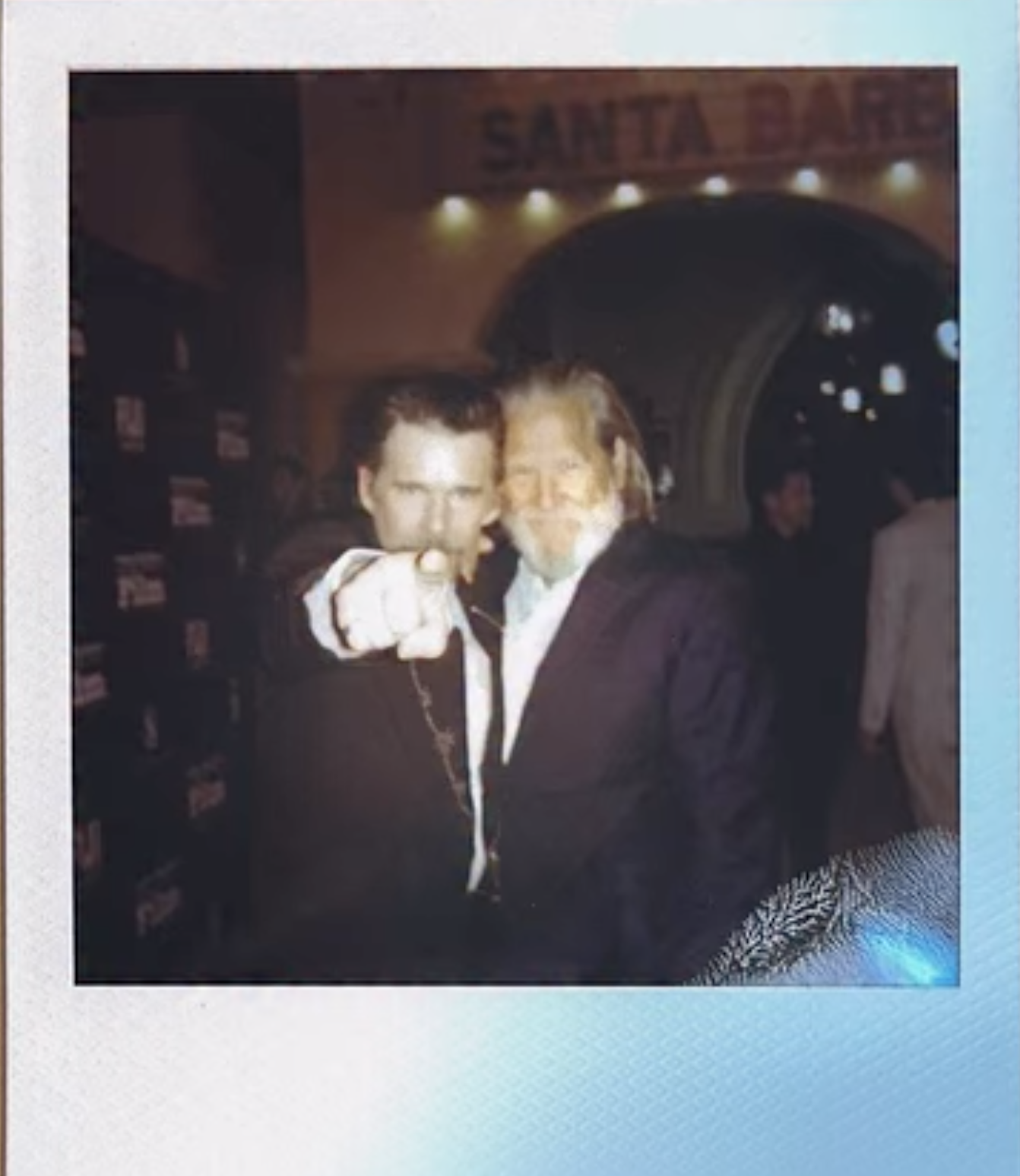
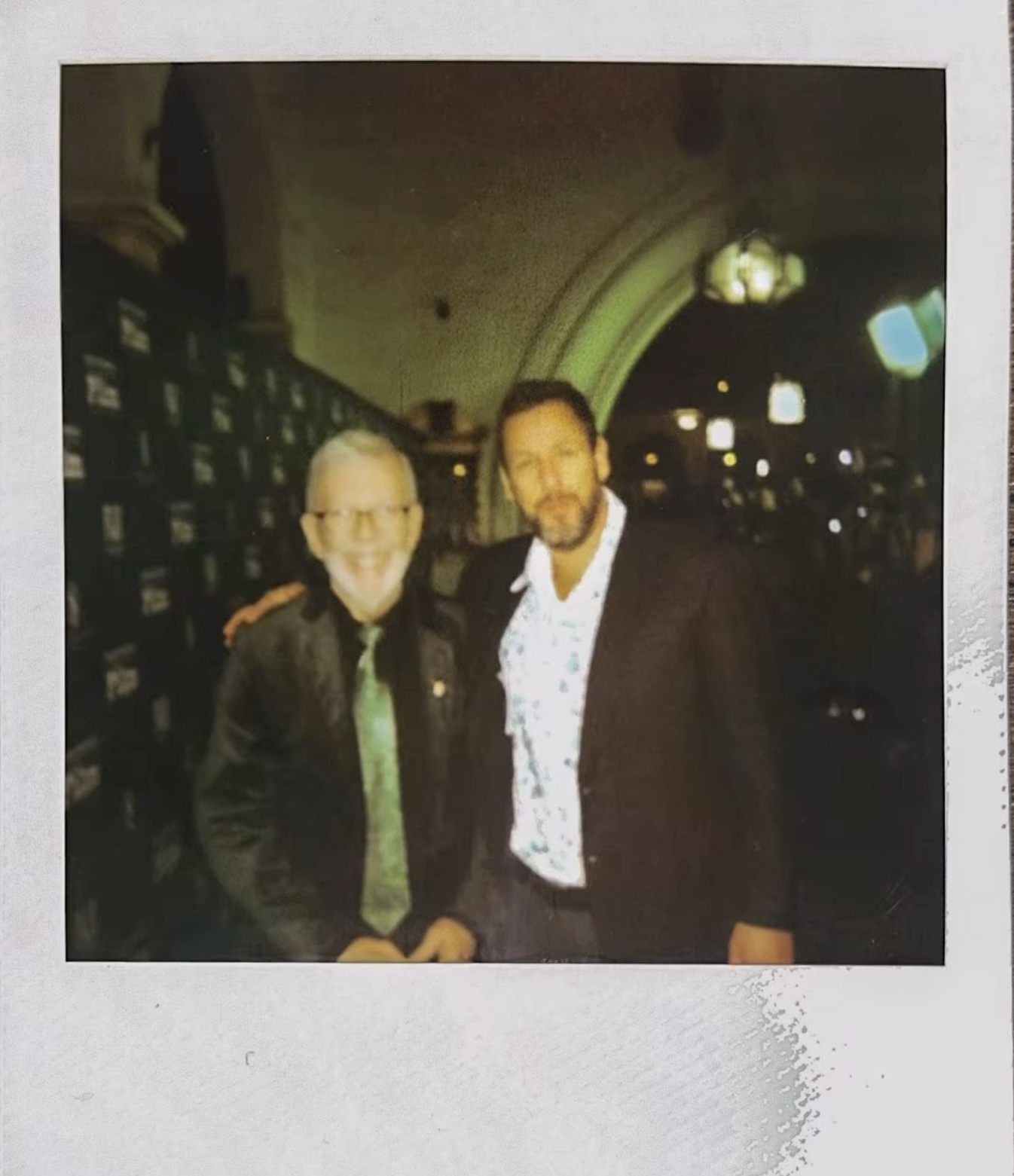
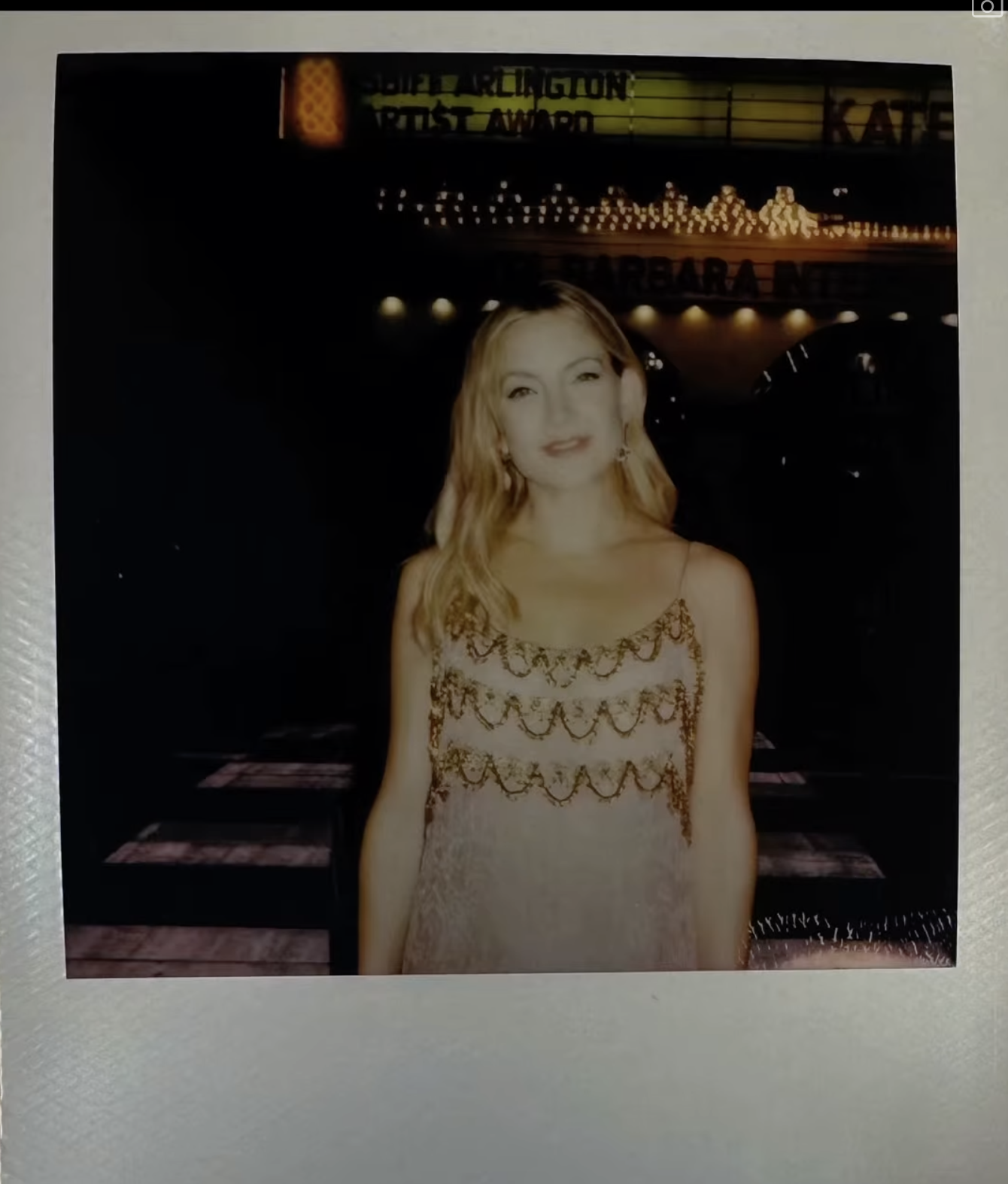
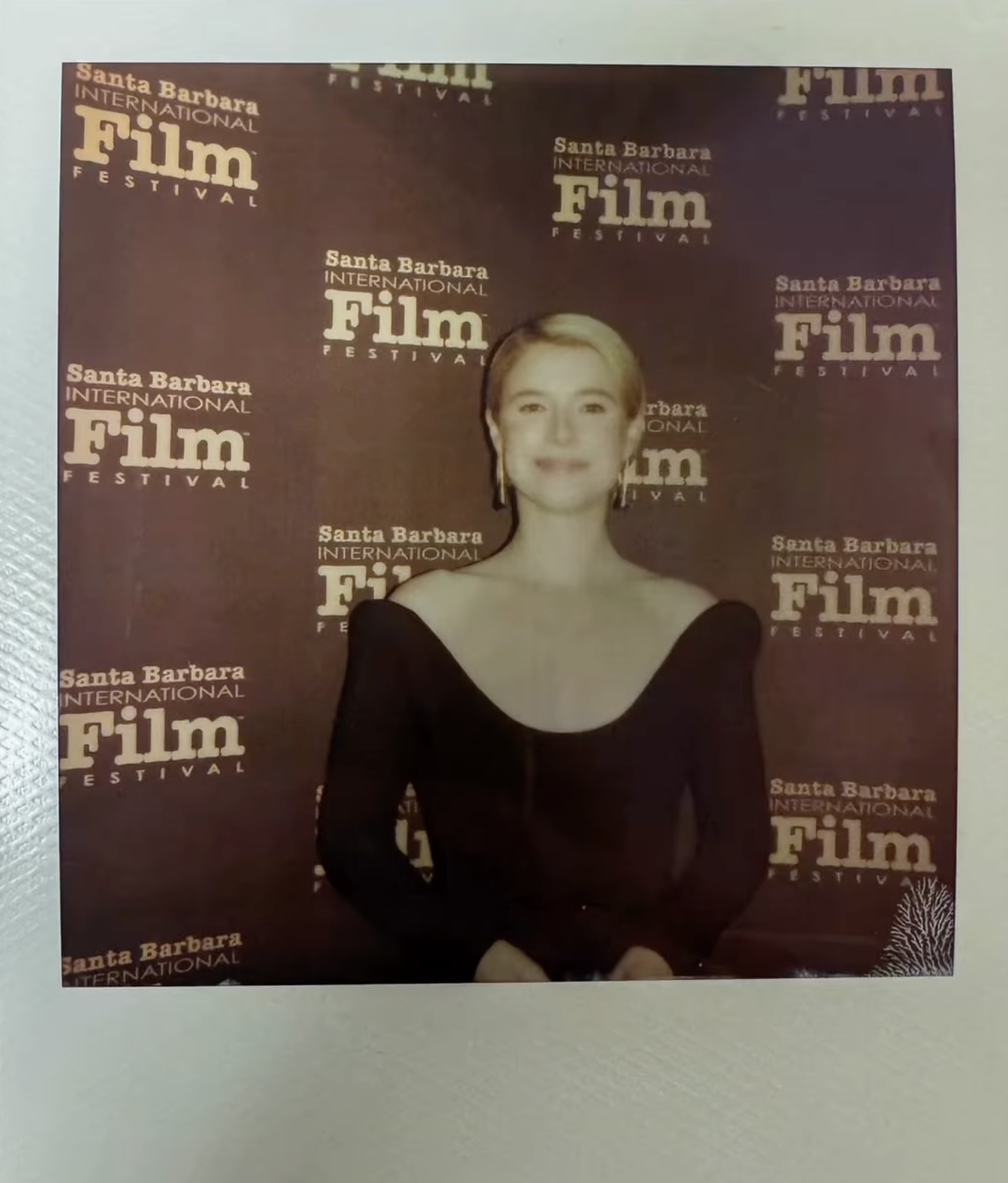
SBIFF, which has long been Santa Barbara’s flagship cultural event of the season, changes and grows even as it stays the course of its agenda, now stretching to its 41st edition. The festival both satisfies the public hunger for face time with celebrities during the hot awards-season publicity circuit and champions the cause of lending a broad-minded showcase to cinema from around the world and across the spectrum of genre and taste.
Escapism is not the rule here, and current events and sociopolitical conditions were not avoided, beginning at the beginning of the festival. While introducing the opening film, A Mosquito in the Ear, festival head Roger Durling gave a rousing speech about the dangers of authoritarian rule and the importance of the arts. He cited the film Cabaret, in which Nazi storm warnings intersected with the artistic ferment of Germany’s Weimar Republic, linking that period to the present state of the arts. “The arts ultimately unite,” Durling concluded. “Two thousand of us are together, under one roof.”
On the celebrity front, audiences got up close and relatively personal with the Oscar-nominated likes of Adam Sandler (from Jay Kelly), Ethan Hawke (from Blue Moon), a sensational triple booking of Leonardo DiCaprio, Benicio Del Toro, and Sean Penn (from One Battle After Another), seasoned Swede Stellan Skarsgård (from Sentimental Value), Michael B. Jordan (for his double role in Sinners), and Kate Hudson (from Song Sung Blue).
On the critical international cinema front, a slate of films handpicked by SBIFF programming director Claudia Puig and her team—with 50 percent directed by women—the screening options literally spanned the globe. A short list of strong titles included Abril(Costa Rica), Don’t Call Me Mama(Norway), Lost Land(Japan), Silent Rebellion(Switzerland), Versailles(Mexico), Broken Voices (Czech Republic), and, from Africa, Diya and The Fisherman.
Pop culture grabbed the spotlight in the documentariesPeter Asher: Everywhere Man, If These Walls Could Rock (about a legendary rock star hangout, the Sunset Marquis hotel) and A Cowboy in London, about country star Charley Crockett. Canadian comedy icons who populated SNL and Second City had their origin story told in the doc You Had to Be There, in sharp contrast to Steal This Story, Please!(winner of both the Santa BarbaraIndependent–sponsored Audience Choice and the Social Justice awards).
Star talk landed almost nightly in the Arlington, with mostly full houses. Hudson, whose award presenter was her longtime friend and Santa Barbara resident Gwyneth Paltrow, asserted that “now, more than ever, I really want to make movies that put people in the theater. … There’s nothing better than this industry, and the fact that I get to work in it is such a privilege.”
DiCaprio spoke about his transition from childhood acting on television to his breakout role in the film What’s EatingGilbert Grape in 1993. “I really didn’t necessarily understand the culture of making movies, the seriousness that goes into it,” he told the Arlington audience. “I gave myself almost a big yearlong self-tutorial on cinema and film history. I just fell in love. I want to somehow stand on the shoulders of the giants.”
Some certifiable cinema giants paraded across the Arlington stage during the festival. Another Santa Barbara film star, Josh Brolin, was in the house to present the award to Skarsgård, who spoke about his Sentimental Value role as an aged director seeking to reconnect with his family. “He tries to reach out and tries to be emotionally adult and capable with his daughters,” noted the actor. “He says the wrong thing; he does the wrong thing. But at the same time, he is very comfortable as a director.
“Many directors I know are like that, and many artists. They’re obsessed by their art, and their art is also a way to find refuge, because they can perform it in a controlled way. It’s more difficult to patrol the emotional life of the family.”
On the Outstanding Directors panel at the Arlington, Oscar-nominated directors showed up to talk about the art and their prize-worthy projects. One was sometime Ojai resident Chloé Zhao, whose Hamnet is an acclaimed Shakespeare-once-removed film. She ventured, “I believe actors are modern-day shamans. They channel spirits, as medicine…. Filmmaking is a sacred ceremony.”
On the same panel, Brazilian director Kleber Mendonça Filho, creator of the much-buzzed-about film The Secret Agent, extended a similar semispiritual meaning to the movie theater itself—a gesture befitting the Arlington or the McHurley Film Center. “This is a place of congregation,” he said. “This is not a religious place. But it can be religious depending on how you describe your relationship to cinema. These places are incredibly important for life in society. And this is why I think we all should fight to keep the cinema-going experience alive.”
That could serve as a mantra for SBIFF, 41 and counting, and with a new artful multiplex to call home.